



Most GTM engineering tools stack guides read as a list of logos.
Buy this CRM, plug in this enrichment vendor, run this email tool, sprinkle some AI on top, and call it a stack.
That is not a GTM tools stack, but a software bill.
A real GTM engineering tools stack is built around use cases, not logos.
For ABM and outbound, the use cases are list building, account enrichment, contact finding, intent detection, personalization, outreach, and measurement.
The stack should answer one question per use case: which companies to target, who to contact, what to say, where to send it, and how to know it worked.
This post walks through the GTM engineering tools that power a modern ABM outbound workflow, why each one earns its place in the stack, and how to wire them together so that LinkedIn ad engagement actually triggers outbound instead of sitting in a dashboard nobody opens.
For teams that want the short version before diving in, here is what the GTM engineering tools stack looks like in 2026:
The best stack is use-case-led: list building, then enrichment, then intent, then personalization, then outreach, then measurement.
Every tool earns its line item by owning a step in that sequence.
If a tool overlaps with another without winning on its specific use case, it gets cut.
GTM engineering is the practice of treating go-to-market like an engineering problem.
Instead of marketers and sellers doing manual work across disconnected tabs, a GTM engineer builds automated workflows that find the right accounts, enrich the right contacts, detect buying intent, personalize outreach, and push everything into outbound systems.
The GTM engineering tools stack is the collection of tools that makes those workflows possible without writing a backend from scratch.
This shift is visible across B2B SaaS teams.
Alex Fine, who runs the GTM engineering agency Understory, put it plainly in a recent LinkedIn post:
“6-9 months ago I was personally convinced that outbound as a channel was dying. Not slowing down. Dying. I thought we had maybe 18 months before email outreach became completely irrelevant and we’d lose half our business overnight. Except I was dead wrong about outbound. Outbound came back with a vengeance. We’re seeing the best results since we started this agency. Some of our clients are generating 20-30 qualified leads per day worth hundreds of thousands of dollars in pipeline. Alex Fine, Understory – LinkedIn post
The reason outbound is working again is GTM engineering.
Stacks like Clay plus LinkedIn Ads plus Instantly let small teams act on real intent data instead of spraying static lists, which is the whole point of the GTM tools stack covered below.
The first job of any GTM engineering tools stack is to build clean lists of companies and contacts that match the ICP, because without that foundation, every downstream step gets polluted with garbage data.
The lists that matter are:
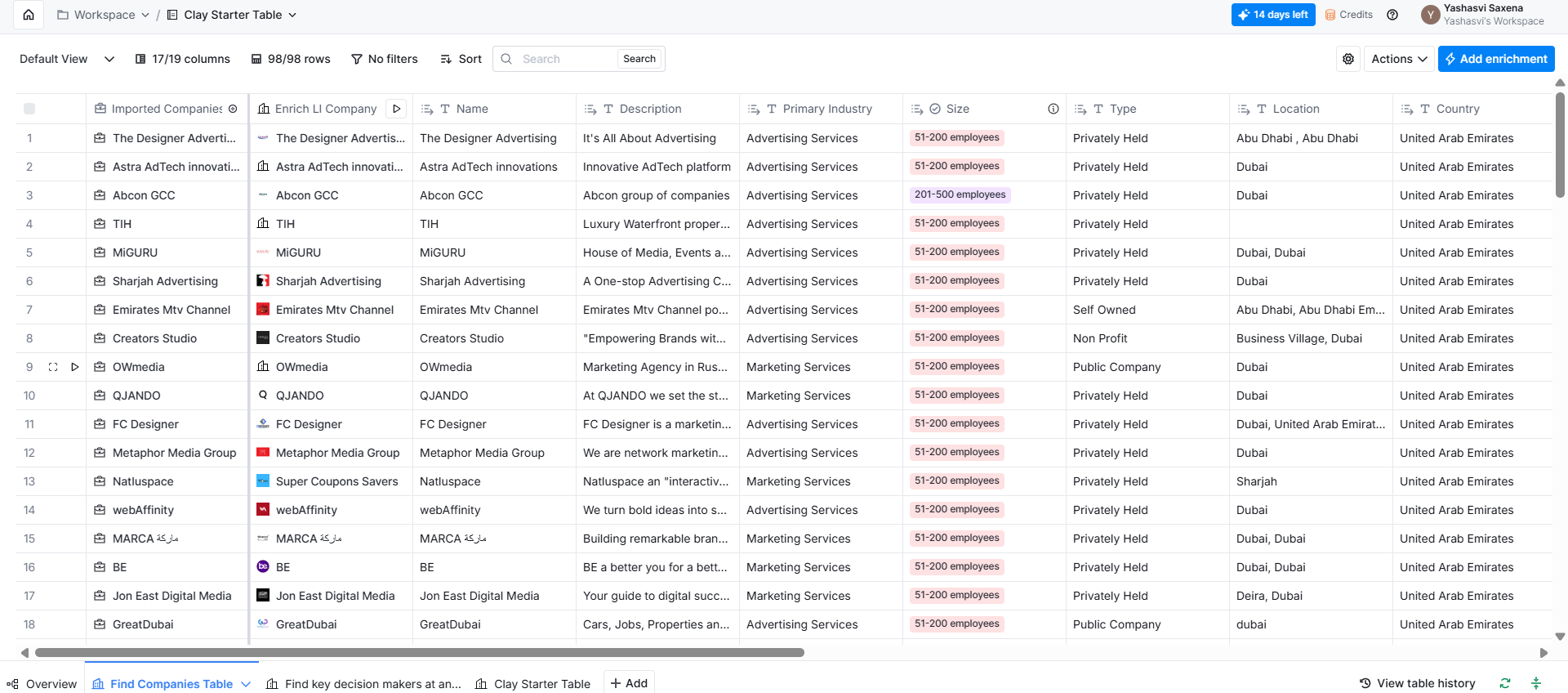
Clay is the workbench.
It combines data sources, enriches companies, scores fit, segments lists, and sends records to other tools.
The thing most teams miss about Clay is that it is not a database; it is a workflow engine, and treating Clay tables as live workflows instead of static spreadsheets is what drives meaningful outbound velocity.
Cold lists from a database are fine for top-of-funnel.
The lists that actually convert come from accounts already engaging with LinkedIn ads and other kind of ads.
ZenABM pulls company-level engagement from the LinkedIn API and surfaces accounts that saw, clicked, or engaged with specific campaigns, so those accounts can be pushed into Clay for prospecting because they have already raised their hand.
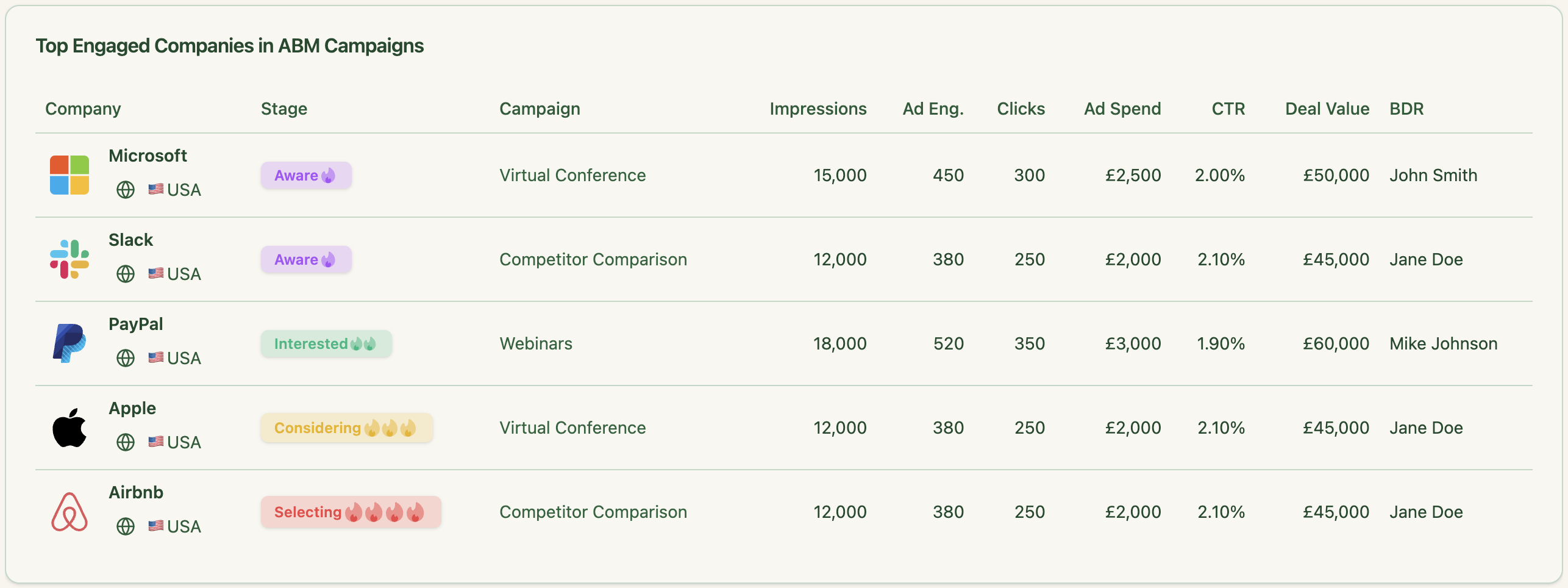


In fact, ZenABM now also tracks other ad channels like Reddit and Google Ads, giving you the perfect list of companies that have been warmed up by your ads.

Claude works as a reasoning layer over lists. It writes ICP classification rules, names segments, flags anomalous records, and drafts prioritization logic.
The trick is to treat Claude as a teammate rather than a magic button: feed it a prompt that explains the use case, the columns available, and the decision needed, and it returns rules that plug back into Clay.
Once the right accounts are identified, the next step is finding the right people.
The goal is verified emails for the right personas plus enough context to write a good message, which is where the GTM tools stack starts to function like a waterfall: try one provider, fall back to another, verify, dedupe, enrich.

Running a waterfall rather than a single vendor is a coverage decision.
No single email finder hits 100 percent on every persona, and stacking three providers in Clay lifts coverage from roughly 60 percent to 90 percent on most ICPs, while the verification step kills bounces before they damage deliverability.
Treating every account the same is the cardinal sin of B2B outbound.
Intent detection is what turns a generic GTM tools stack into a real GTM engineering tools stack, because the job is to find which accounts are actually warming up so the team can prioritize the ones that matter.
For LinkedIn-led ABM, ZenABM is the intent layer.
It surfaces:

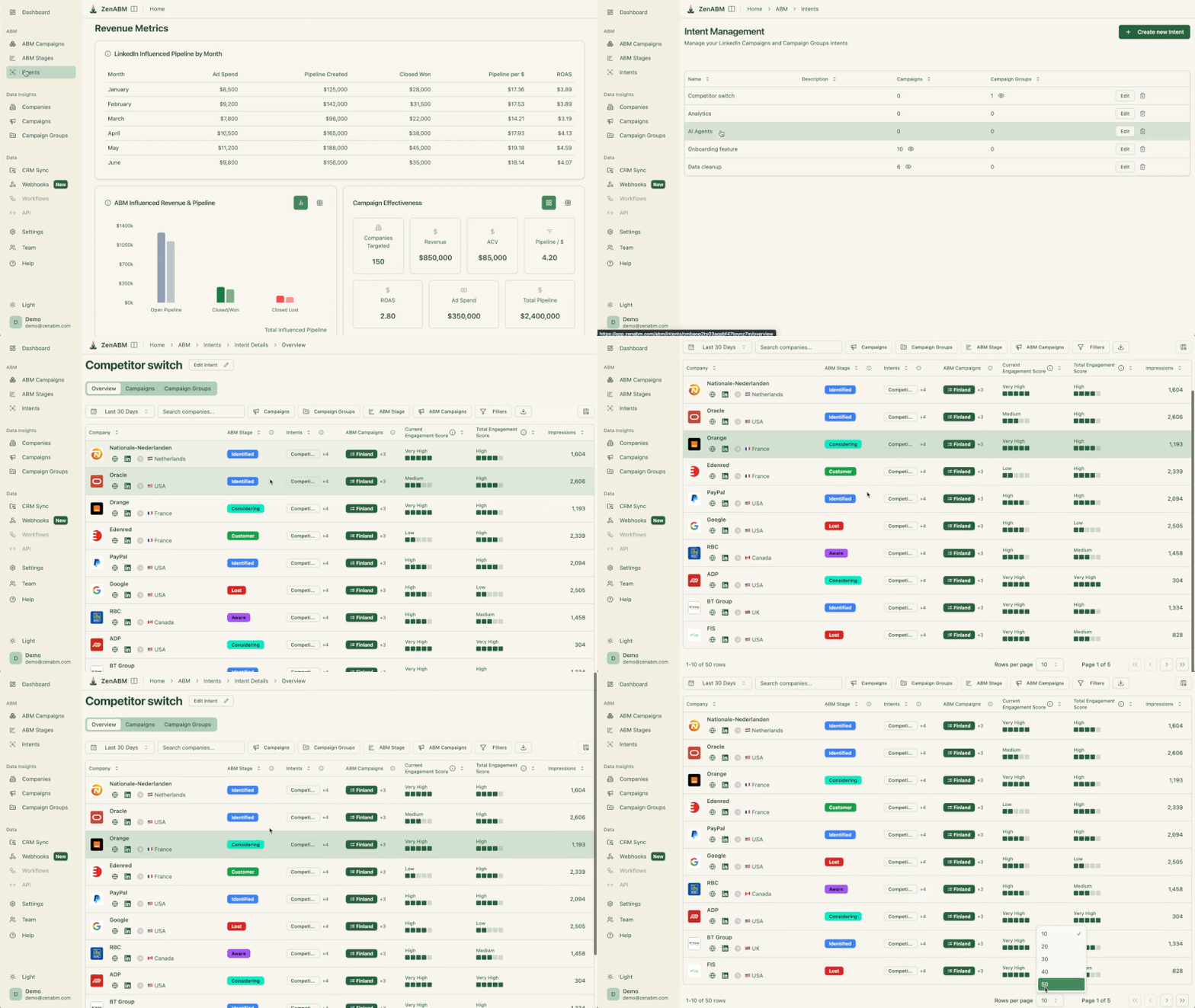
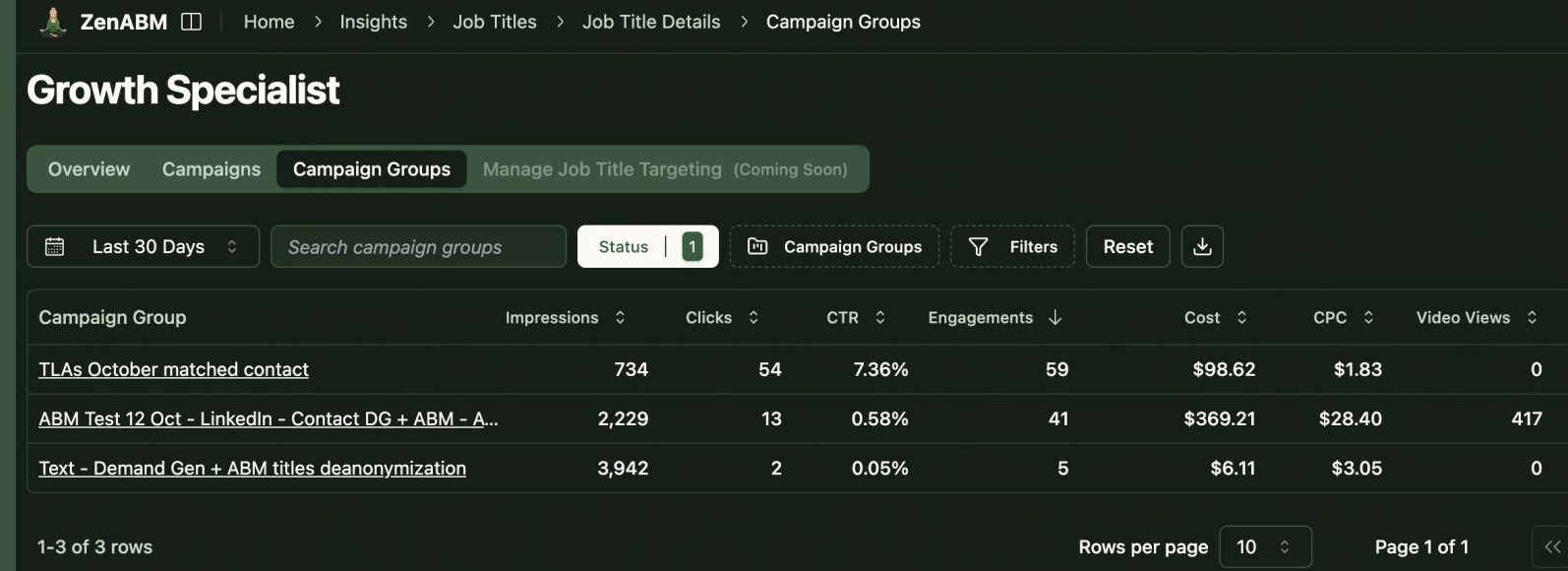

The key insight is that LinkedIn ad engagement is first-party intent: it is not bought intent data, it is the ICP raising a hand on a platform controlled by the advertiser.
The philosophy and mechanics are covered in the guide on intent signals for ABM on LinkedIn, and the broader pipeline view is in the running ABM on LinkedIn ultimate guide.
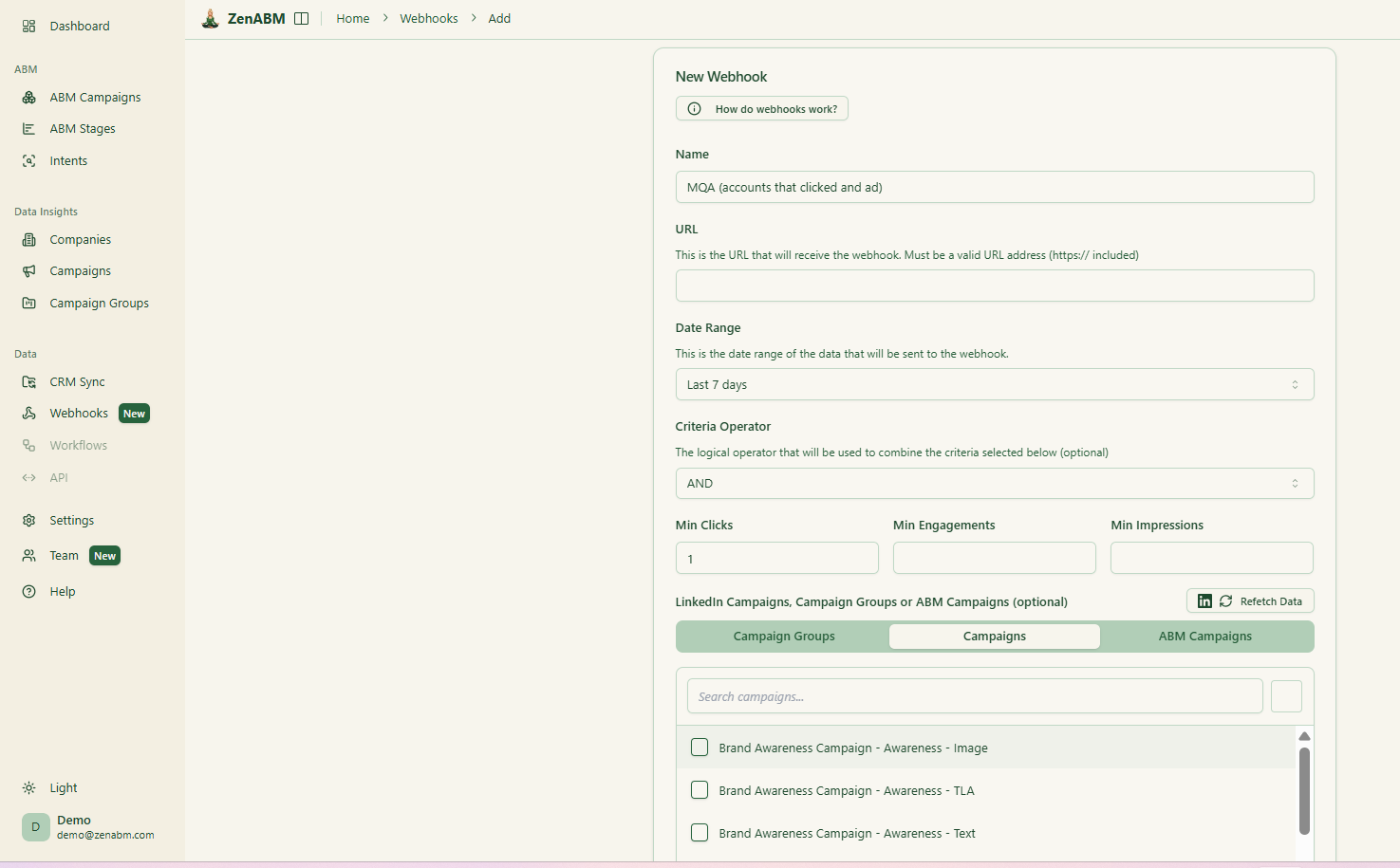
Intent data is only useful if it can leave the ZenABM dashboard.
Three surfaces handle that:


Personalization without signal is just mail merge with extra steps.
The GTM engineering tools that win at personalization combine account context with the actual topic the buyer engaged with, because that is what makes an email read like the sender paid attention rather than ran a query.
Mapping campaign theme to email angle is one of the highest-leverage moves in the GTM tools stack, because it is the difference between sounding like a stalker and sounding like someone who paid attention.
The last mile of any GTM engineering tools stack is sending the message without destroying deliverability or a LinkedIn account.
Channel responsibilities split cleanly across three tools:


The cleanest pattern is intent-triggered outreach: ZenABM flags an account as Interested, Clay enriches the buying committee,
Claude writes the email and LinkedIn copy, Smartlead sends the email sequence, and HeyReach handles the LinkedIn follow-up.
A full walkthrough of this play is in the intent-based outbound ultimate guide.

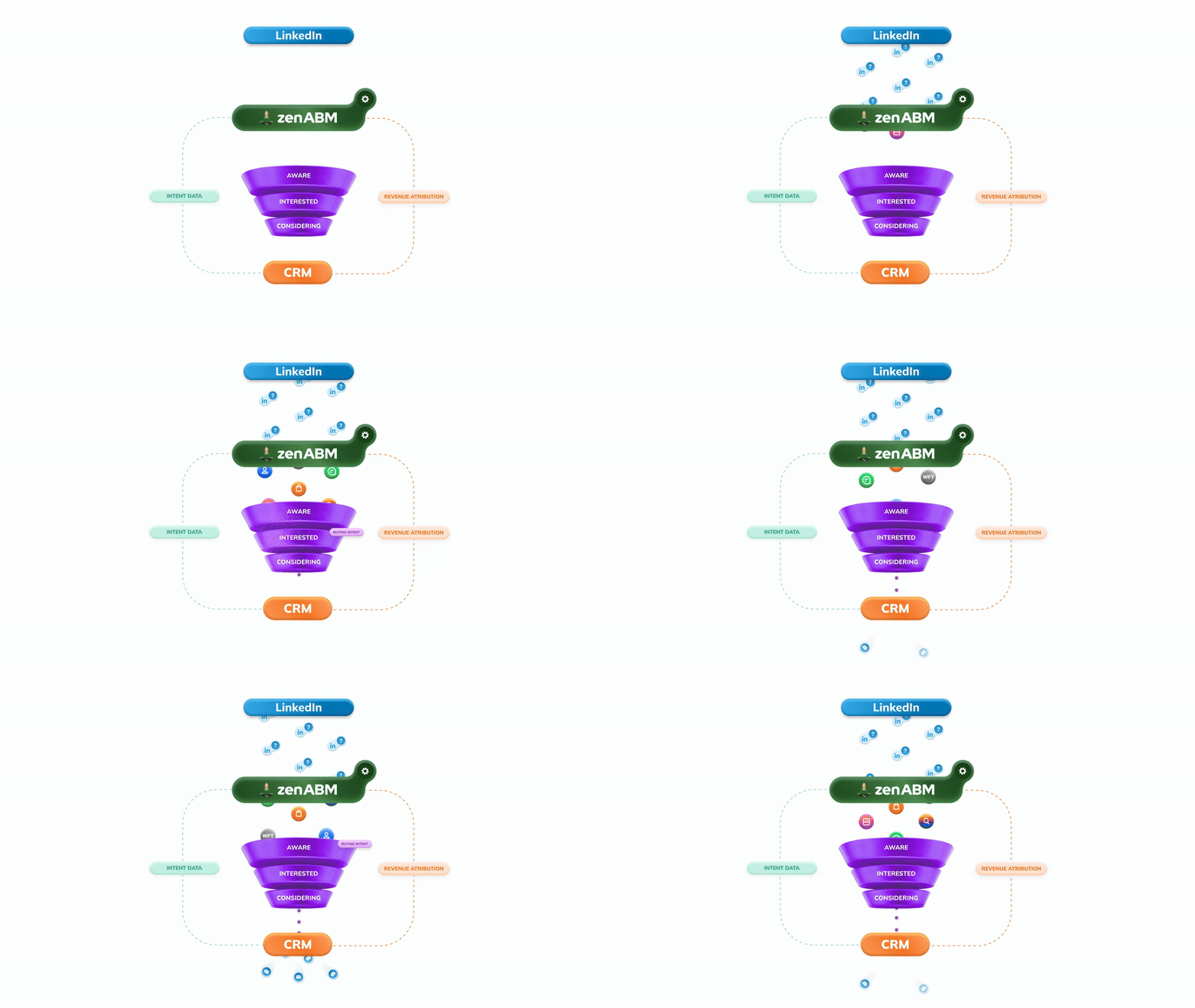
Here is how the GTM engineering tools wire together in practice:
Here is a concrete trigger that runs inside this stack:
ZenABM identifies accounts with 50 or more impressions, 5 or more clicks, 10 or more engagements, and a specific intent theme such as “LinkedIn attribution.”
The ZenABM API sends those companies into Clay. Clay finds ICP personas at those accounts.
Prospeo, IcyPeas, and LeadMagic find and verify emails. Claude writes email and LinkedIn copy that references the attribution angle without being heavy-handed about it.
Smartlead or Instantly sends the cold email.
HeyReach sends the LinkedIn follow-up. ZenABM tracks whether the account later moves into Considering, Selecting, pipeline, or revenue.
The closed loop is the point. Without measurement, the GTM tools stack becomes vibes-based. With ZenABM closing the loop on stage progression and revenue, every step is testable.

Here’s a tabulated summary of the components of the tool stack mapped to use cases:
| Use Case | Tools |
|---|---|
| List building | Clay, ZenABM, Claude |
| Company enrichment | Clay, LeadMagic, IcyPeas |
| Contact finding | Prospeo, IcyPeas, LeadMagic |
| Email verification | IcyPeas, LeadMagic, Prospeo |
| Intent detection | ZenABM, ZenABM API, ZenABM MCP Server |
| AI reasoning and copy | Claude |
| Cold email | Smartlead, Instantly |
| LinkedIn outbound | HeyReach |
| Workflow orchestration | Clay |
| ABM measurement | ZenABM |
Stack reviews across B2B outbound teams reveal the same patterns over and over:
For a wider tool benchmark, the post on best tools for LinkedIn-first ABM covers adjacent categories considered and rejected.

A GTM engineering tools stack is only as strong as the workflow it runs.
The tools covered here earn their place because each one owns a specific step: Clay builds and orchestrates, Claude reasons and writes, ZenABM surfaces which accounts are warming up and why, Prospeo, IcyPeas plus LeadMagic fill the contact waterfall, and Smartlead, Instantly, and HeyReach get the message out without burning deliverability.
The part most stacks skip is the closed loop.
Knowing which accounts engaged with a LinkedIn campaign is useful.
Knowing that those accounts moved from Interested to Selecting after receiving intent-triggered outreach is what makes the stack compoundable, because that feedback is what sharpens targeting, messaging, and sequencing over time.
ZenABM is the layer that closes that loop.
It pulls first-party LinkedIn engagement data at the company level, tracks account stage progression, attributes pipeline back to the campaign and audience that influenced it, and exposes all of that through an API and MCP Server so the rest of the stack can act on it without manual exports.
For any team running LinkedIn-led ABM, it is the piece that makes the rest of the stack testable.
Book a demo to know more or try the tool on your own (37-day free trial).
A GTM engineering tools stack is the collection of tools a go-to-market team uses to build automated workflows that find target accounts, enrich contacts, detect intent, personalize outreach, and send messages. It differs from a generic marketing stack because every tool is wired into a workflow rather than used in isolation.
Yes. A CRM is a system of record. Clay is a system of action. The CRM stores the account, the deal, and the contact. Clay runs the enrichment waterfall, calls Claude to write copy, hits ZenABM for intent, and pushes finalized records to Smartlead, Instantly, or HeyReach. They do different jobs.
ZenABM is the LinkedIn ABM intent layer. It identifies which companies are engaging with LinkedIn ads at the account level, what stage each account is in, and which campaign theme they responded to. The API and MCP Server expose that signal so Clay, Claude, and outbound tools can act on it without copy-paste.
Use Smartlead when unlimited mailboxes, deep deliverability tooling, and a unified inbox built for high-volume outbound are the priority. Use Instantly when a built-in B2B lead database and a more all-in-one feel are useful. Some teams run both, sending different campaign types through each, which works well when Clay is the orchestrator.
The ZenABM MCP Server lets AI agents query ZenABM data directly. Instead of building a custom integration, pointing Claude or another MCP-compatible agent at ZenABM and asking natural-language questions like “list accounts with attribution intent and 5 plus clicks in the last 30 days” drops that output straight into Clay or an outbound tool, collapsing hours of manual list building into a single prompt.
