

Madison Logic is an enterprise-grade account-based marketing (ABM) platform designed to help B2B teams spot in-market accounts, launch coordinated multi-channel programs, and tie engagement back to pipeline results.
At a high level, Madison Logic brings three core components into one operating system:
In this guide, I’ll break down Madison Logic features, what the platform actually includes, how teams typically use it, what comes up in user reviews, what pricing signals exist publicly, and when a lean alternative like ZenABM may be a better fit (or a useful complementary layer for LinkedIn-first intent and measurement).
Let’s get into it.

If you want the short version:
Madison Logic structures its ABM motion around intent, activation, and measurement.
In practical terms, teams typically use it to:
Madison Logic brings multiple channels and ABM workflow components into one environment.
Here are the Madison Logic features most commonly associated with its platform:
Madison Logic supports ABM execution across:
This supports a coordinated ABM approach where target accounts are reached through a mix of paid touchpoints, not a single channel.
It also introduces more operational dependencies: creative alignment, audience lists, offers, routing rules, CRM processes, and shared measurement definitions.


A central Madison Logic feature is ML Insights, its buyer intent and account intelligence layer.
Madison Logic positions ML Insights as intent-driven account identification that helps teams focus spend and outreach on accounts with higher likelihood to convert.
In official materials, Madison Logic describes ML Insights as pulling real-time intent signals from over 20 million companies worldwide (rather than inflated “X million accounts and Y million contacts” claims sometimes repeated in third-party summaries).
Teams use this to:
Madison Logic can distribute your content (whitepapers, ebooks, reports, webinars, etc.) via publisher channels to generate leads from target accounts.
This typically functions as a lead generation layer:
Syndication can be useful for reach and volume, but lead quality can vary based on targeting rules, content relevance, publisher placements, and filtering criteria.
Some practitioners describe syndication networks as less transparent than first-party channels, which can show up as early-stage leads even when targeting is technically accurate.

Madison Logic supports programmatic display targeting based on account and persona signals.
It also integrates with LinkedIn so marketers can use account lists and audience strategies as part of multi-channel ABM programs.
Madison Logic is listed as a LinkedIn partner and describes workflows where account lists and intent insights can support LinkedIn activation inside a broader paid program.
The operational upside is consistency: the same account set can be worked across channels with a shared measurement layer, assuming integrations and governance are properly set up.
Madison Logic also offers ABM-style targeting for CTV and audio.
These channels are generally used for reach and reinforcement, especially in enterprise programs where buying committees are broad and multi-threaded.
CTV and audio can make sense if:

Madison Logic positions its measurement layer as the reporting backbone for ABM performance.
This includes dashboards and reporting views that track account engagement, cross-channel performance, and pipeline impact.
In November 2025, Madison Logic also announced the ML Intent Dashboard, designed to centralize performance and planning signals and surface recommendations such as:

Madison Logic’s ABM motion leans heavily on intent, engagement, and enrichment inputs.
In broad terms, the platform can combine:
It’s worth stating a limitation that applies to most third-party intent systems:
Keyword surges and content-consumption intent can signal interest, but they do not reliably indicate purchase readiness.
That is why teams running enterprise ABM platforms often add a second validation layer, such as:
Some users on G2 report that certain intent-identified accounts or leads can skew early-stage and may not be immediately sales-ready.

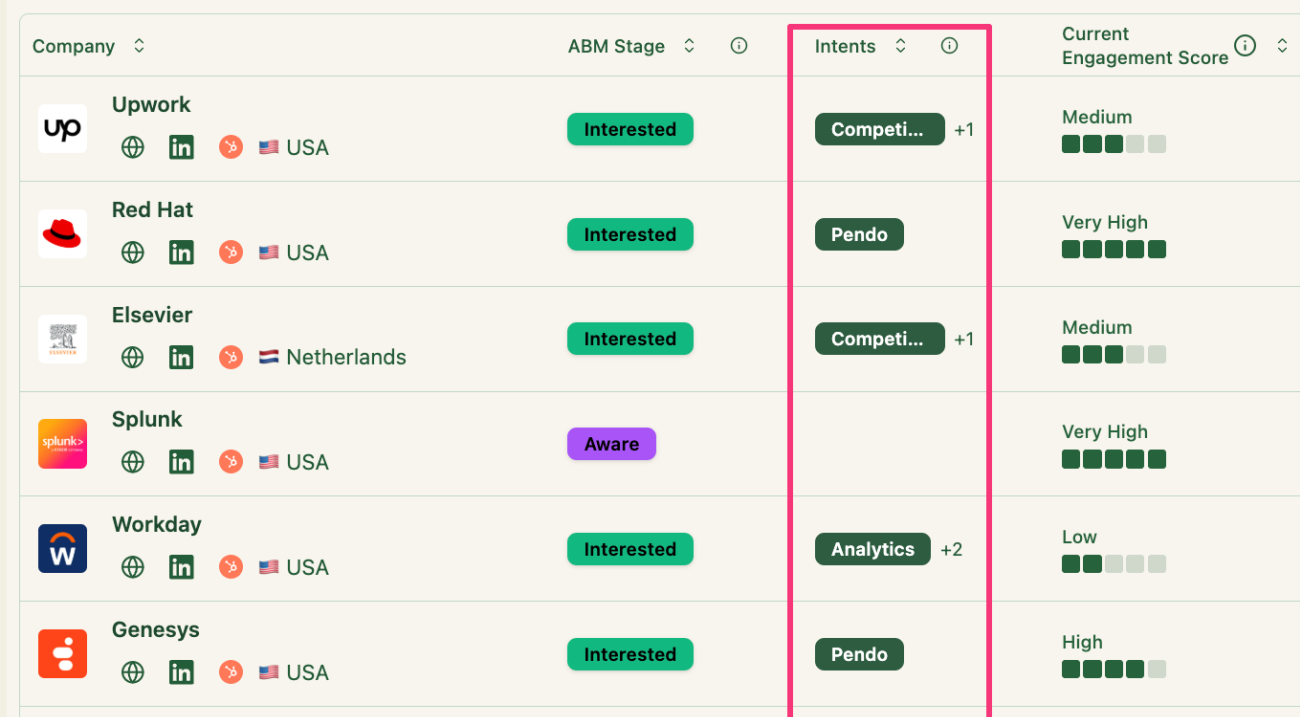
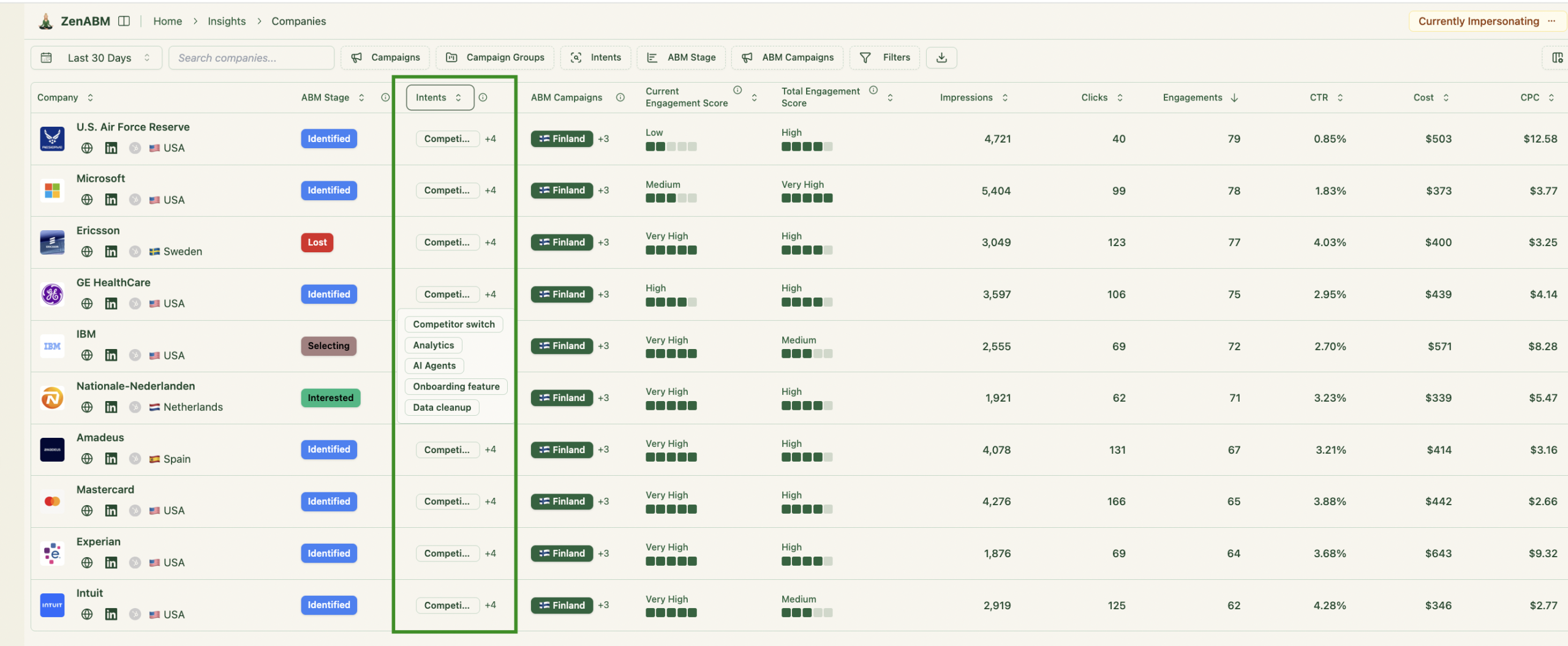
Pro Tip: ABM platforms that rely heavily on third-party keyword surge data can surface accounts that are researching but not yet buying. ZenABM takes a different approach by capturing first-party qualitative intent from how specific companies engage with your LinkedIn ads down to each ad creative. You can tag campaigns by theme (Feature A vs. Feature B), and ZenABM groups companies showing interest in each message. That means you know both who is engaging and what they are responding to, so sales follow-up is more relevant from day one.
Madison Logic supports integrations across major CRM, marketing automation, and activation tools.
In enterprise environments, this matters because platform value increases when targeting, lead routing, and measurement definitions stay consistent across systems.
| Platform | Integration Details | User Notes |
|---|---|---|
| Salesforce (CRM) | Embeds account insights and engagement data; connects campaigns to pipeline outcomes. | “The integration with Salesforce is everything when it comes to our reporting.” |
| HubSpot, Marketo, Pardot (MAP) | Pushes leads and engagement data into nurture streams; supports CRM sync. | Some users reported early setup hiccups and occasional fallback to CSV imports. |
| LinkedIn Marketing Solutions | Exports account segments directly into Campaign Manager for activation. | Saves time and sync overhead. “Streamlines the activation process.” |
| Gong | Feeds insights into sales follow-ups based on intent signals. | Used to personalize sales engagement via AI-driven cues. |
| Convertr | Enriches leads in real time with intent scores and topic signals. | Helps route qualified leads faster into the right workflows. |
| Adobe Experience Platform | Feeds intent data into Adobe orchestration tools (e.g. Journey Optimizer). | Enterprise-level support for full-funnel personalization. |
Madison Logic does not publish a simple public price list, which usually indicates enterprise and volume-based packaging.
That said, a few public signals are commonly referenced:
Note: Since Madison Logic is positioned as an enterprise platform with enterprise pricing, a leaner tool like ZenABM can be a smarter fit for LinkedIn-first ABM, starting at ~$59/month, with its highest tier still under ~$6k/year. You also get key LinkedIn ABM essentials: account-level ad engagement tracking, account scoring, ABM stage tracking, assignment of hot accounts to BDRs, bi-directional CRM sync, custom webhooks, qualitative company buyer’s intent tracking, job-title-level ad engagement tracking, and plug-and-play ROI attribution dashboards.
Marketing claims are easy. Consistent user patterns are more useful.
After reviewing themes across G2, TrustRadius, Reddit, and other sources, here is what tends to repeat.
Pros:


Cons:
One alternative to Madison Logic is ZenABM.
It is designed specifically for LinkedIn ABM, so it can be a complete, affordable alternative for teams that mostly run ABM on LinkedIn.
Even for teams running multi-channel ABM, ZenABM can also serve as a complementary layer alongside Madison Logic (or another enterprise suite) because of its first-party LinkedIn account-level signals.
Let’s look at those features:
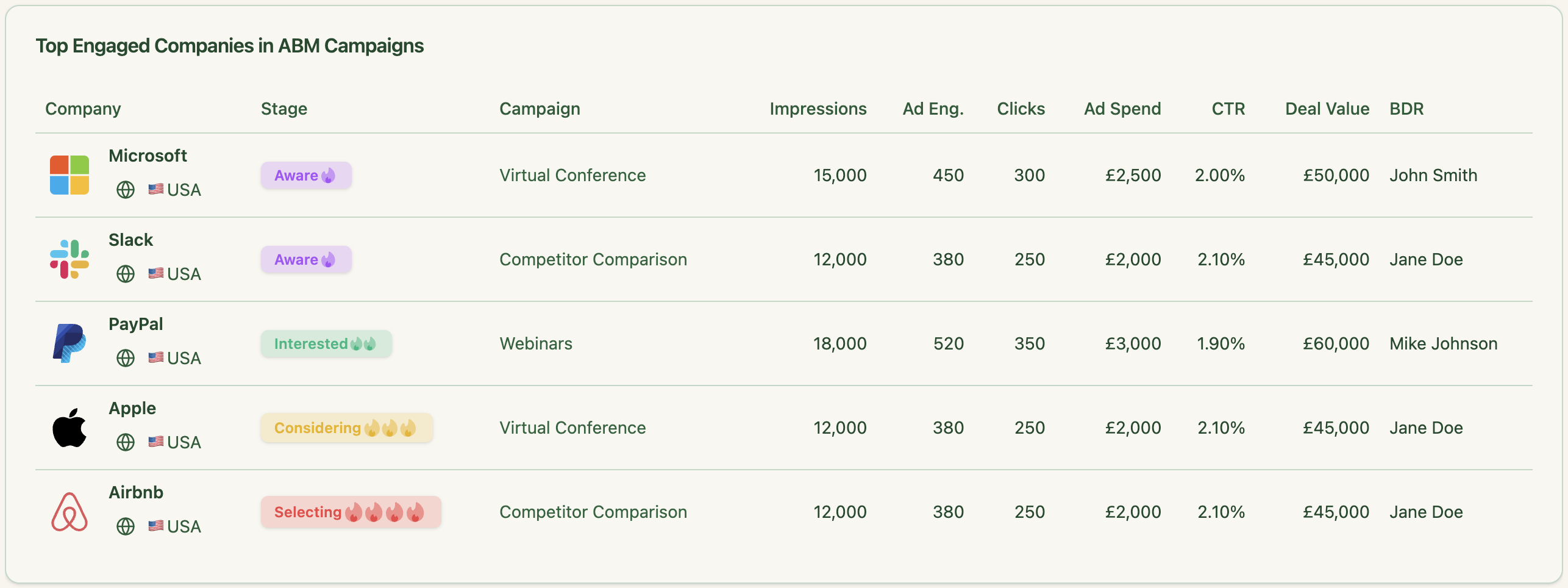
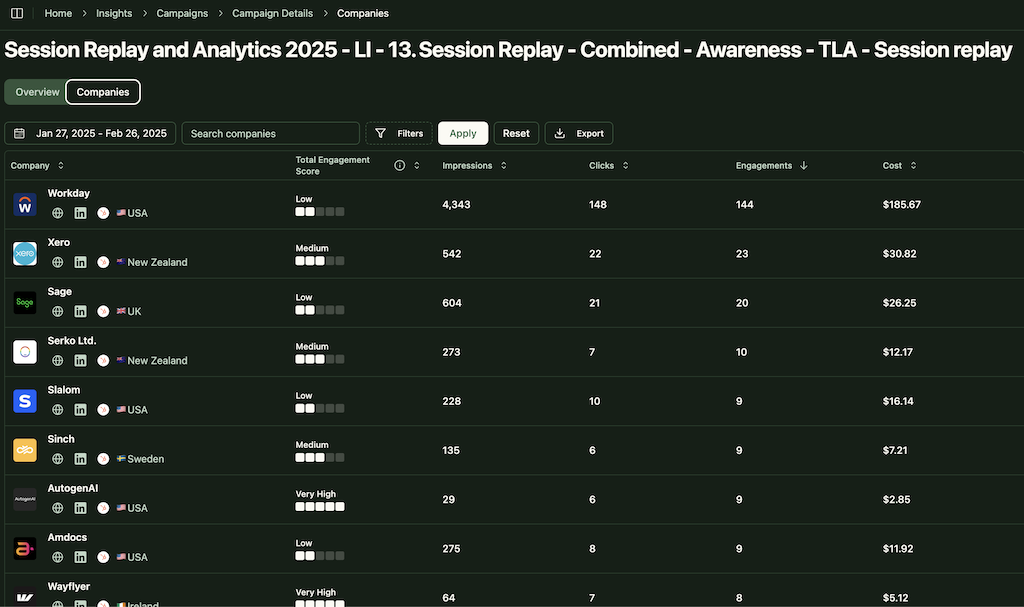
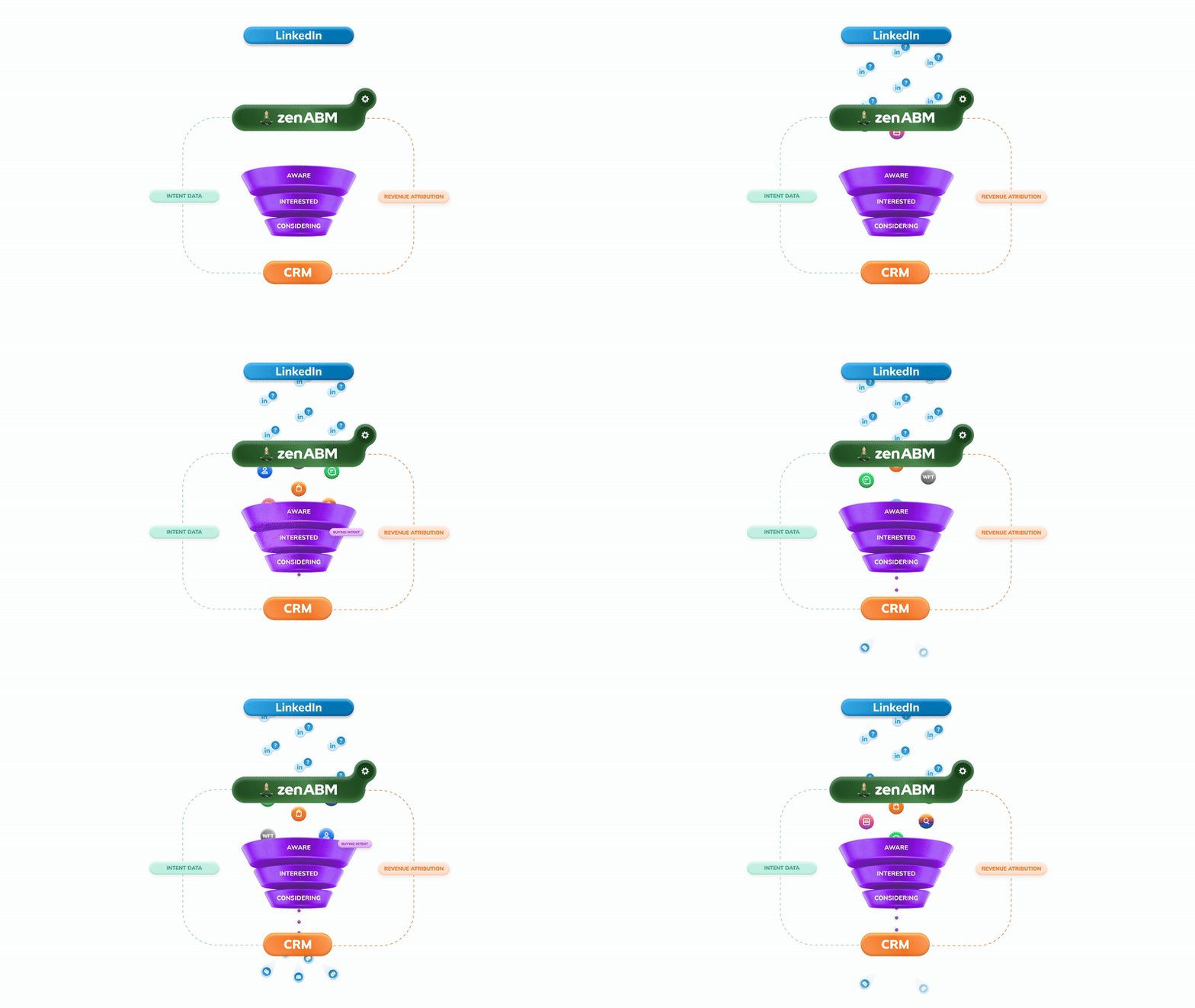
ZenABM connects to the official LinkedIn Ads API and captures account-level data for all campaigns so you can see which companies see, click, and engage with your ads.
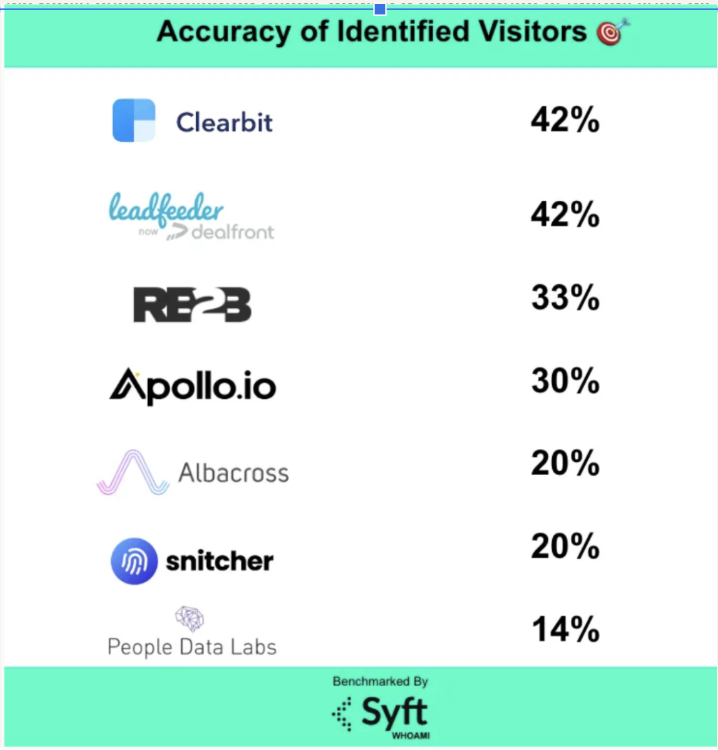
Because this is first-party data from LinkedIn’s environment, it is more dependable than IP or cookie-based visitor identification.
A Syft study puts IP-based identification at around 42 percent accuracy.
ZenABM treats LinkedIn ad engagement as first-party intent. When multiple people in the same company keep engaging with your ads, that is a strong buying signal without relying on rented intent feeds.
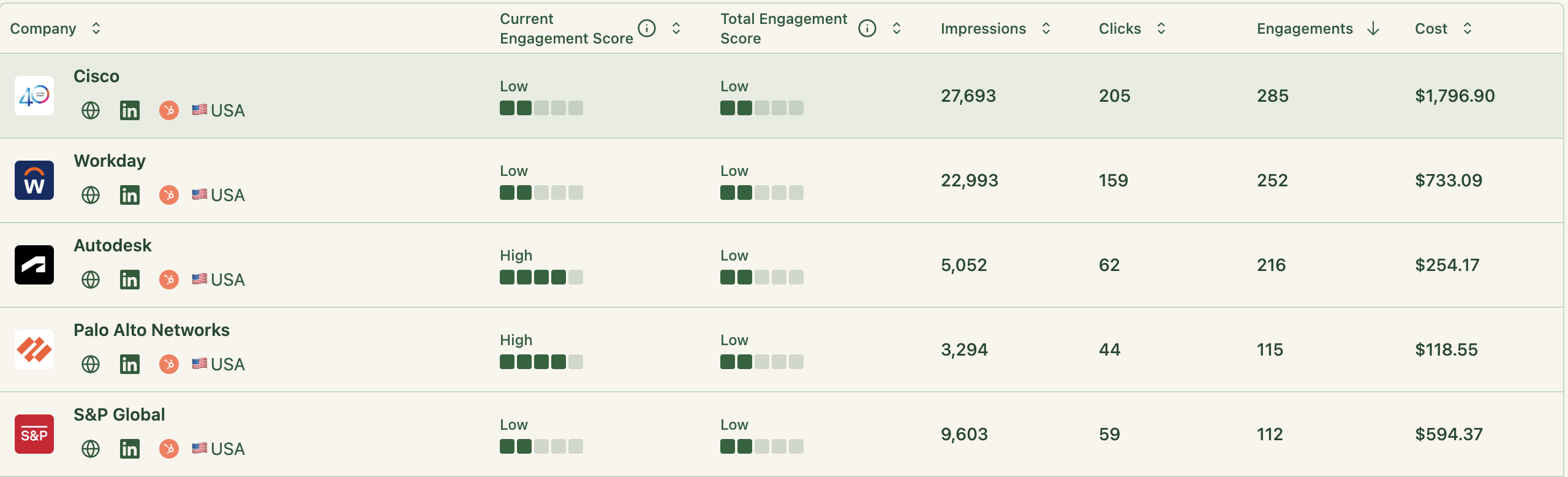
ZenABM updates engagement scores as accounts interact with your ads, so you can see who is heating up across short or long windows and help sales and marketing prioritize accounts showing meaningful intent.
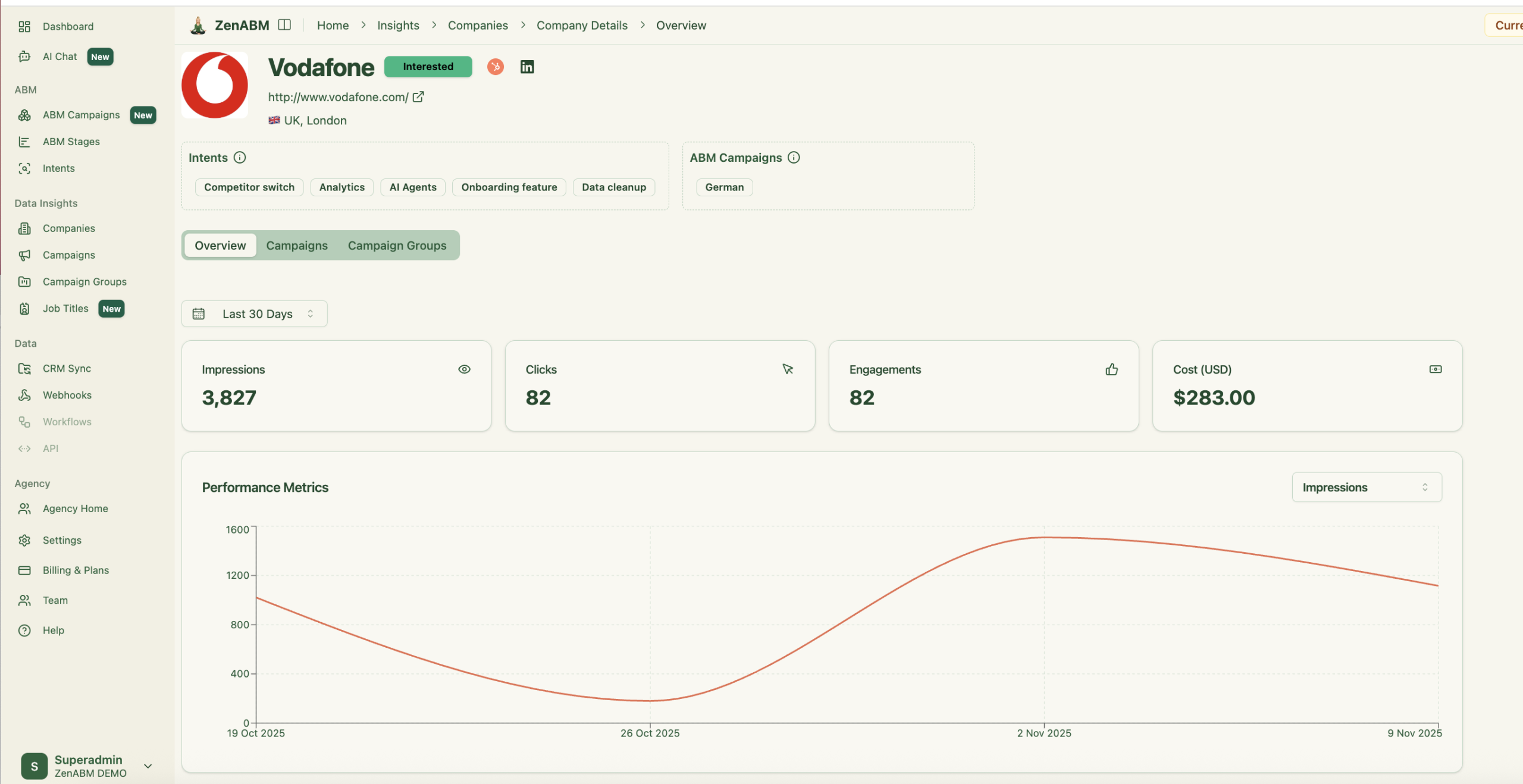
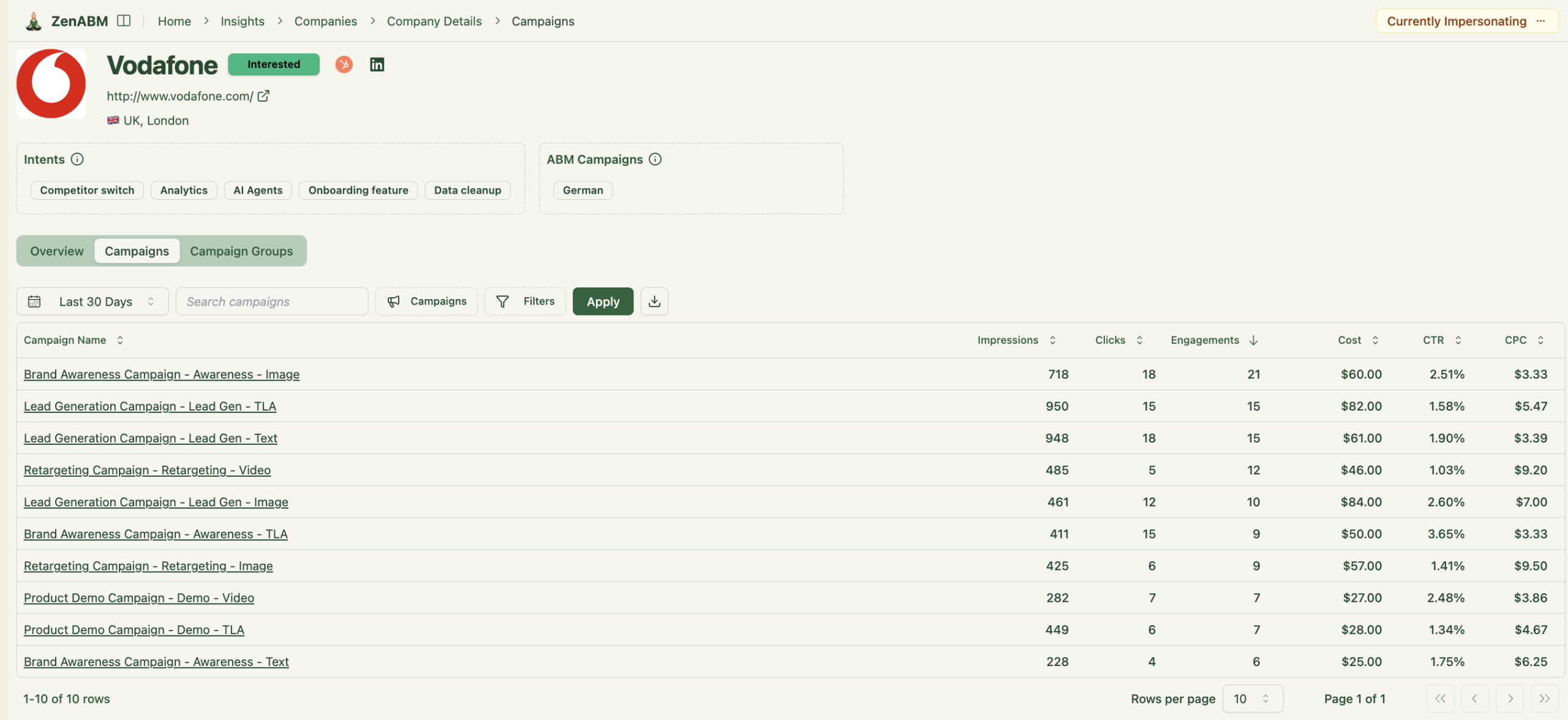
ZenABM also shows the full touchpoint timeline for each company:
ZenABM lets you define stages such as Identified, Aware, Engaged, Interested, and Opportunity and automatically places accounts into the right stage using scores and CRM signals.
You control thresholds, and ZenABM tracks movement over time.
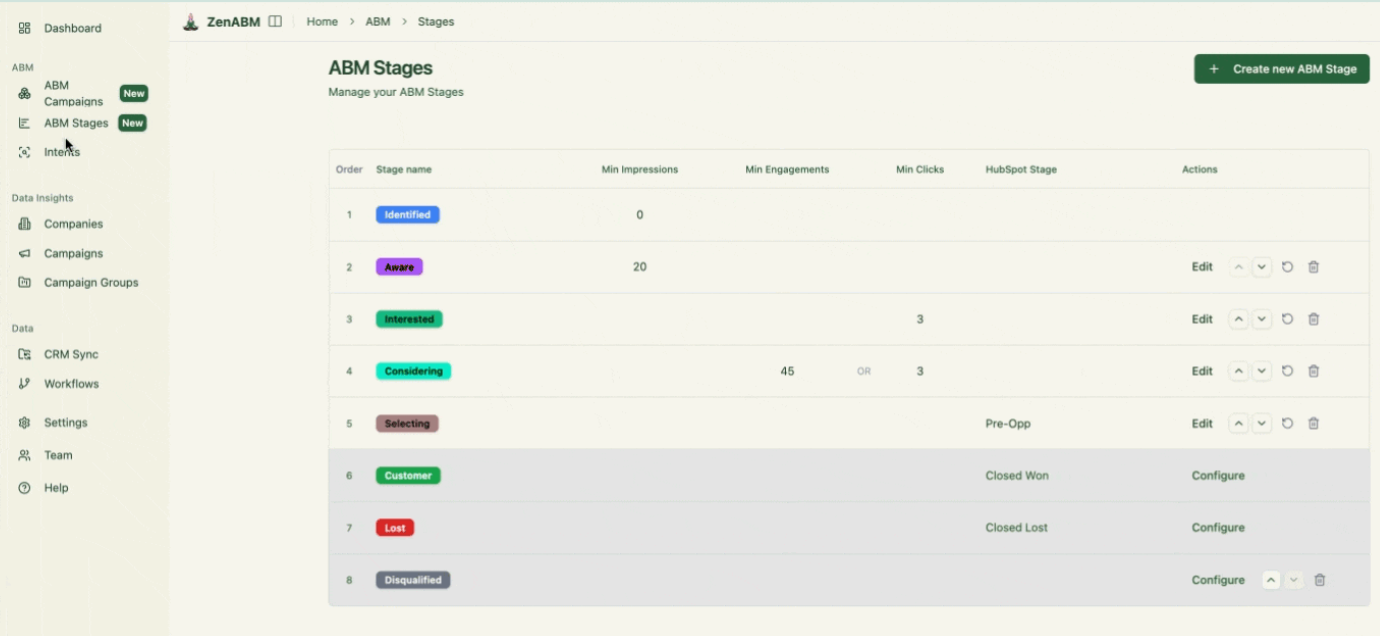
This provides funnel visibility similar to larger suites, but powered by LinkedIn engagement data.
ZenABM integrates bi-directionally with CRMs like HubSpot and adds Salesforce sync on higher tiers.
LinkedIn engagement data flows into the CRM as company-level properties:
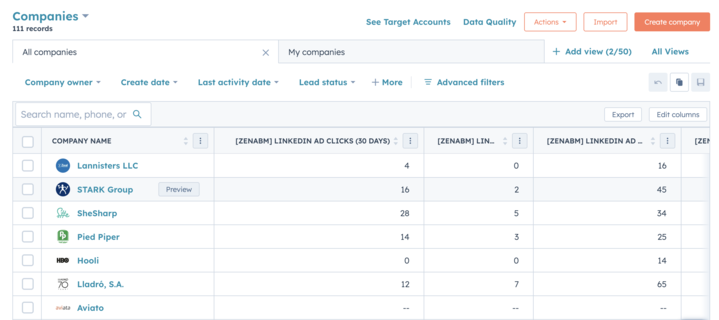
Once an account crosses your score threshold, ZenABM updates the stage to Interested and automatically assigns a BDR.
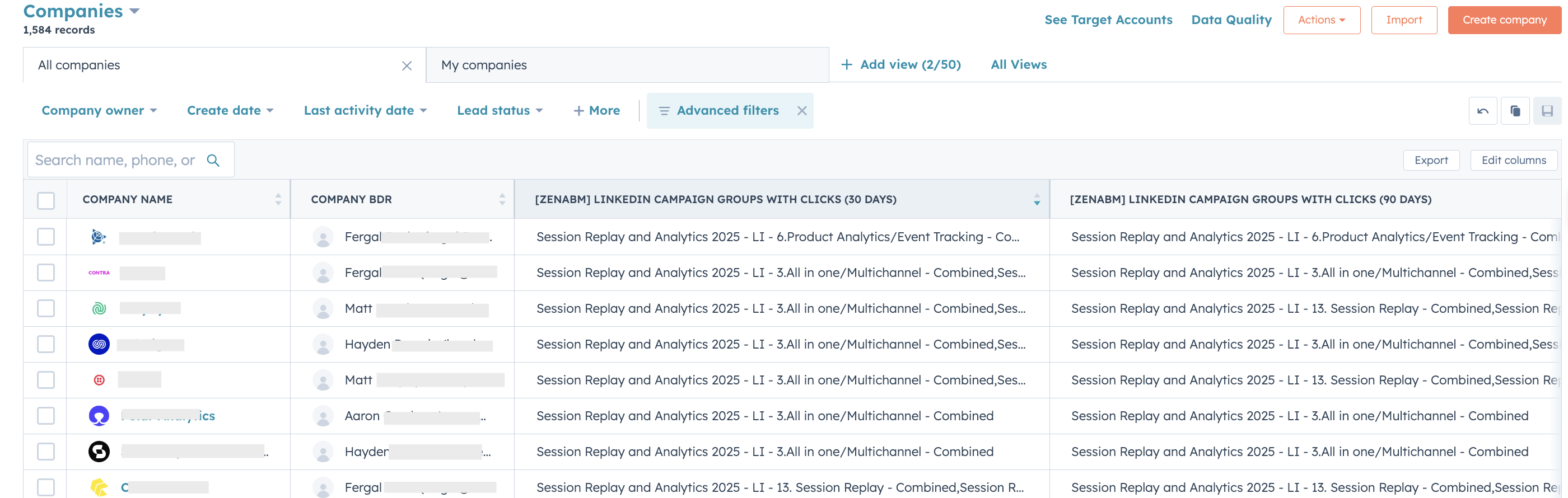
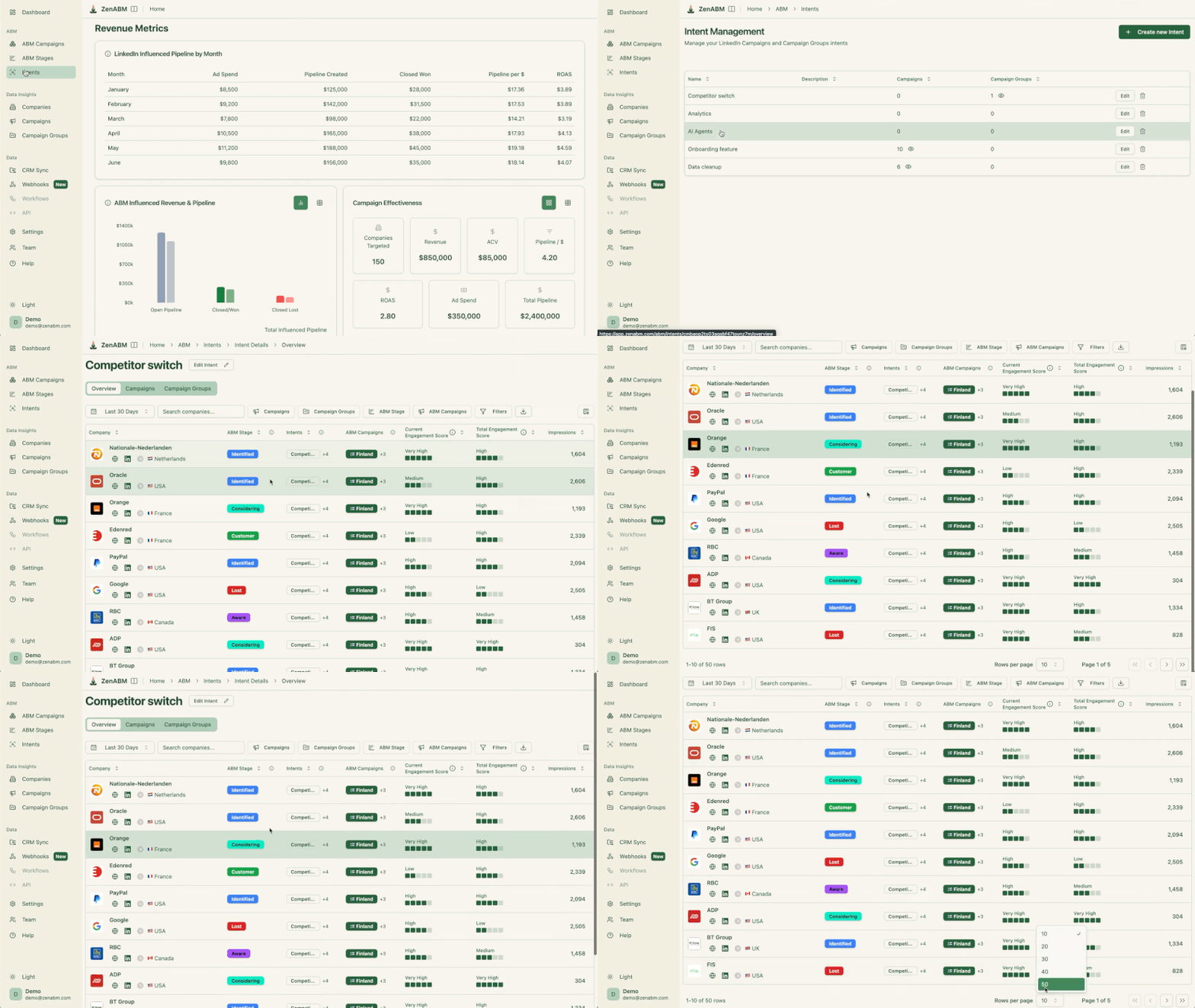
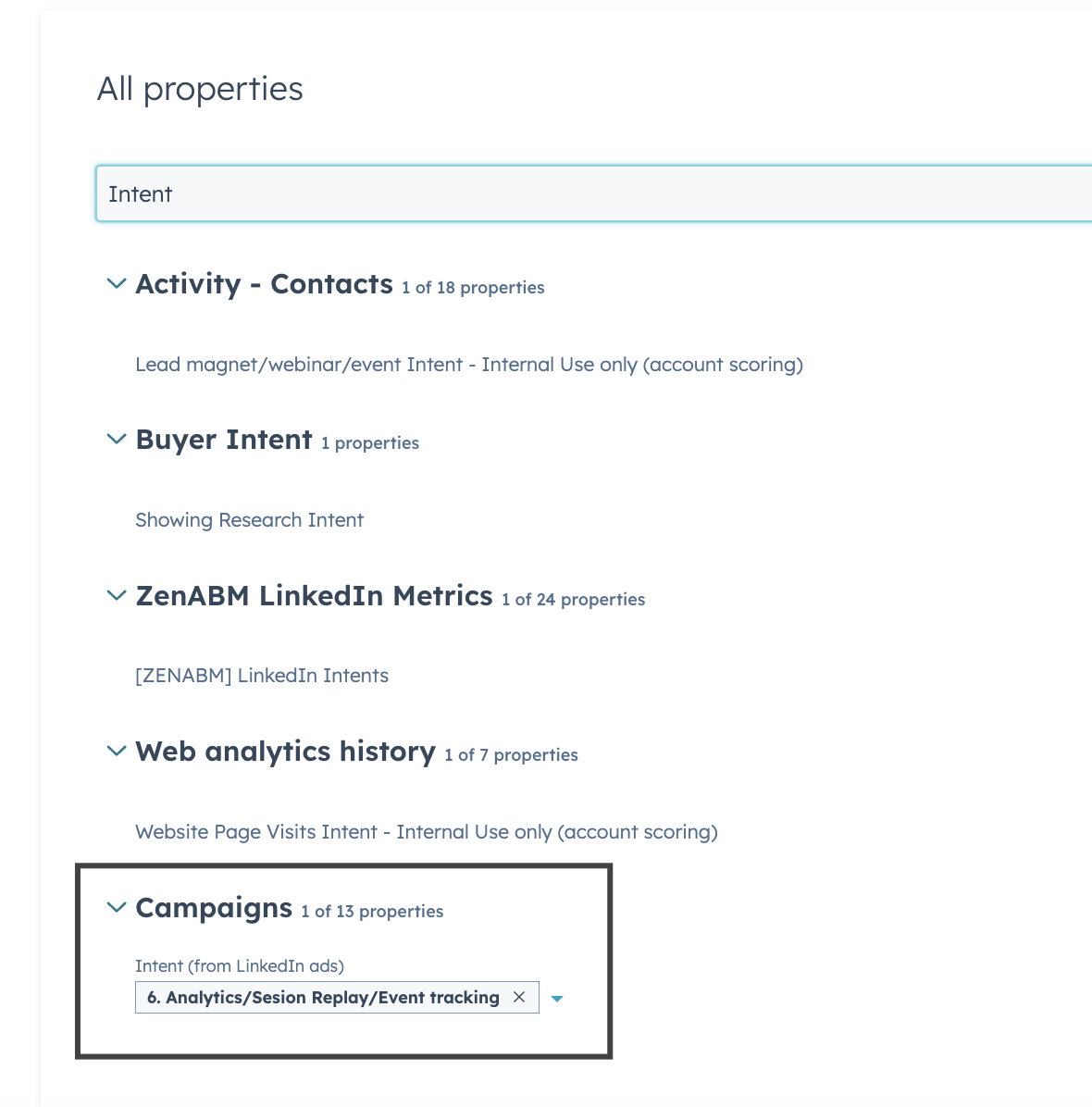
ZenABM lets you derive intent topics by tagging campaigns by feature, use case, or offer.
ZenABM then shows which accounts engage with which themes.
This is first-party intent from owned interactions.
You can push these topics into your CRM, so sales and marketing can tailor outreach based on what each company has actually explored.
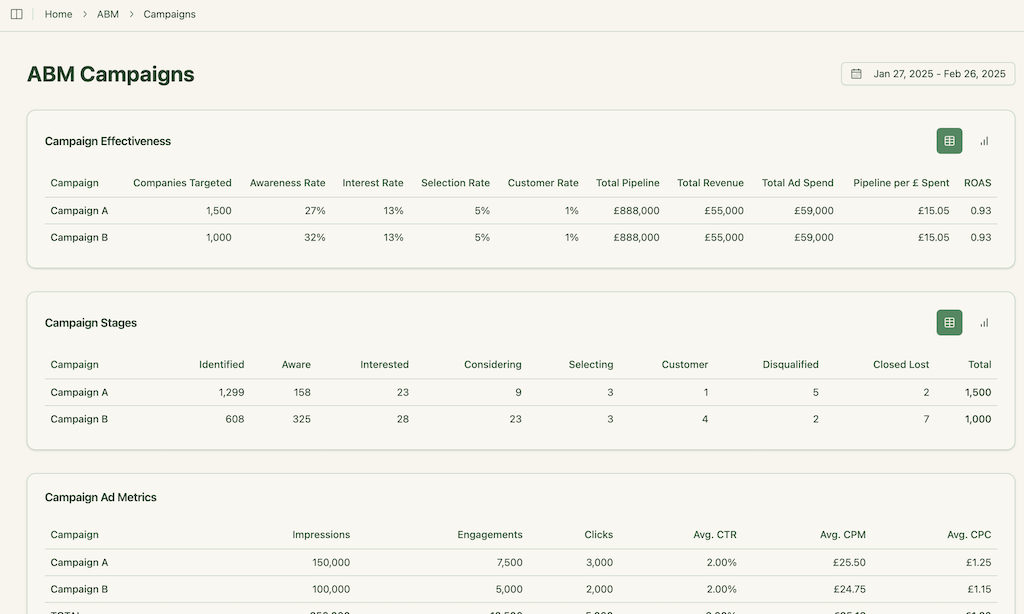
ZenABM ships with dashboards that connect LinkedIn ads to account engagement, stage movement, and revenue.
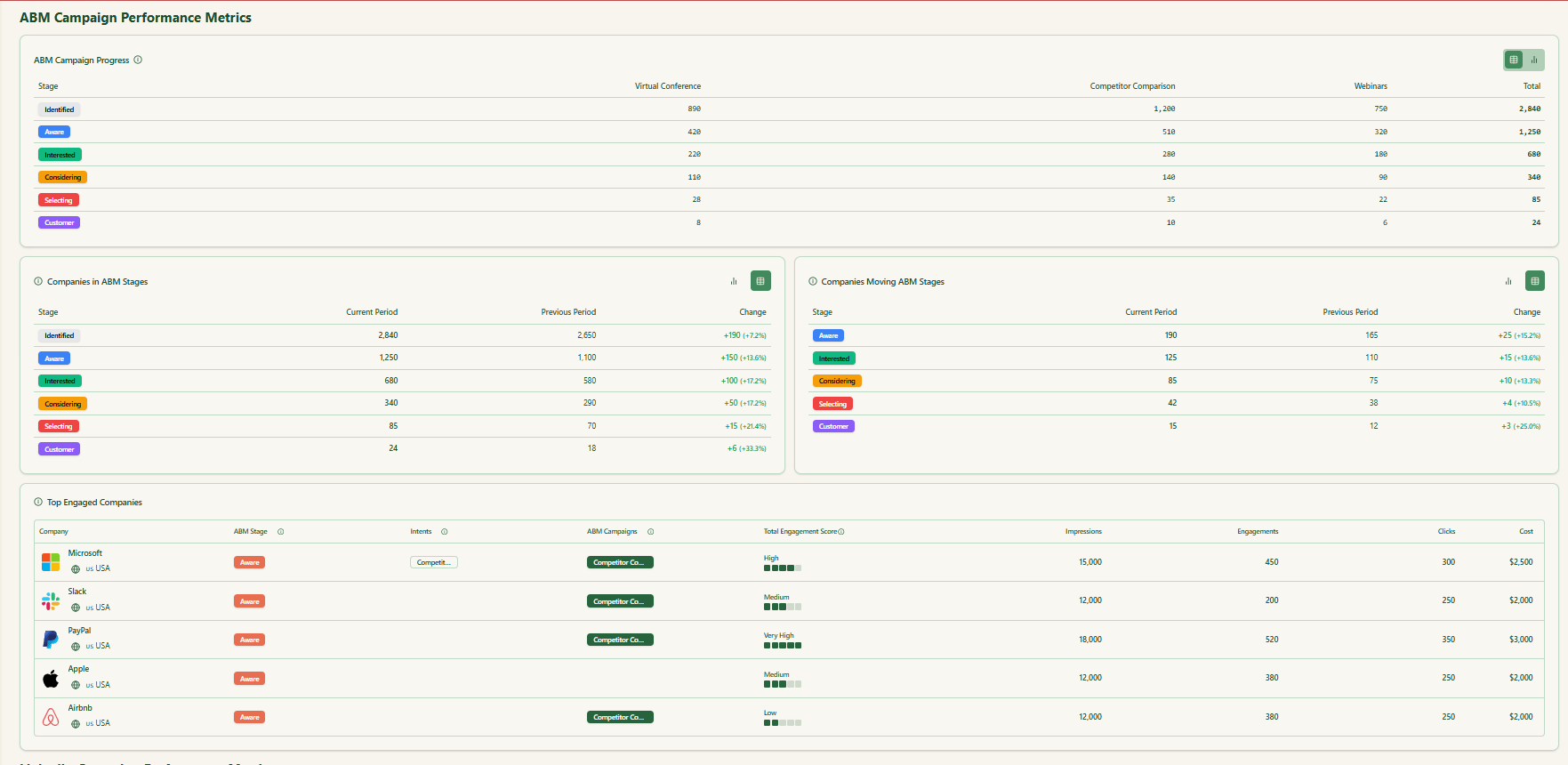
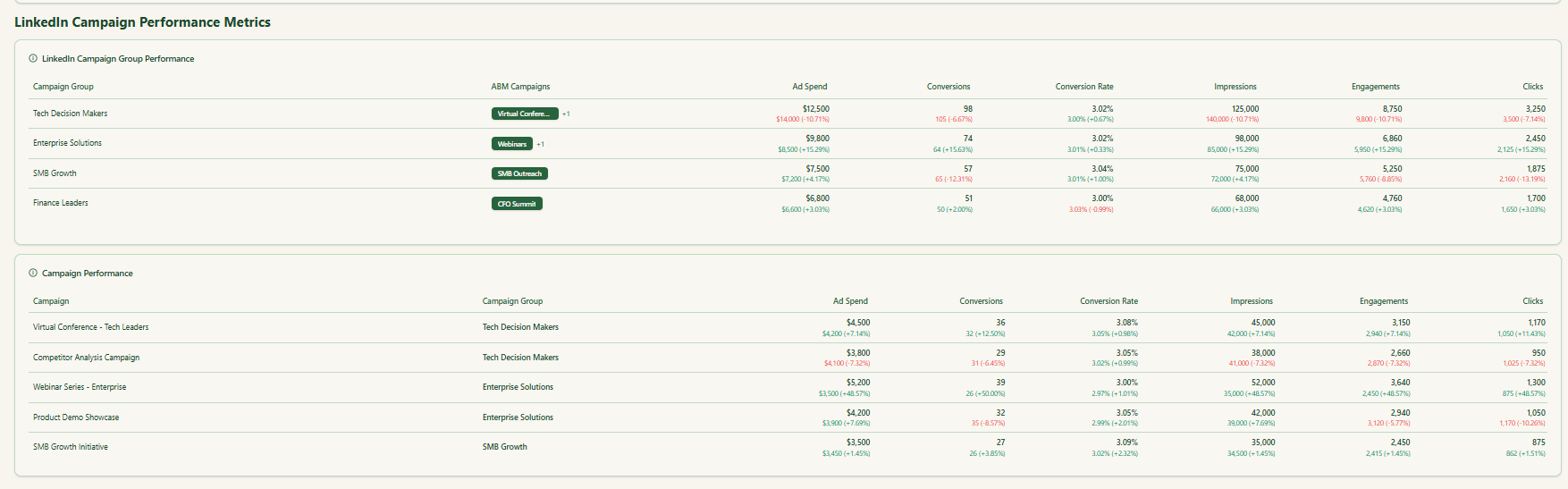
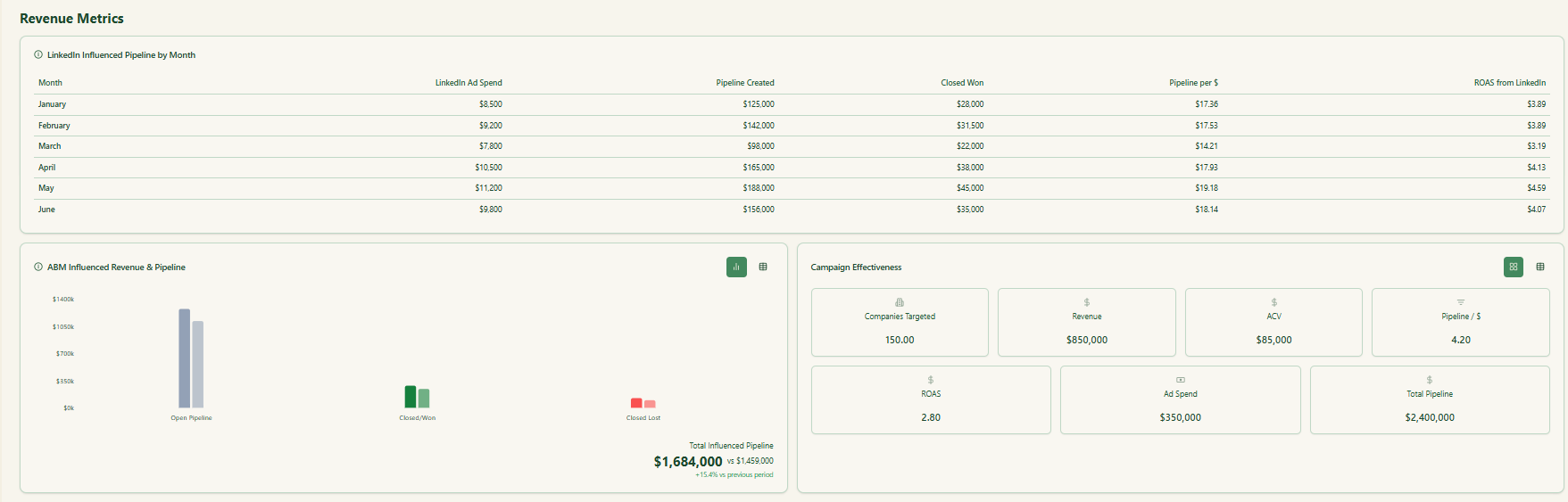
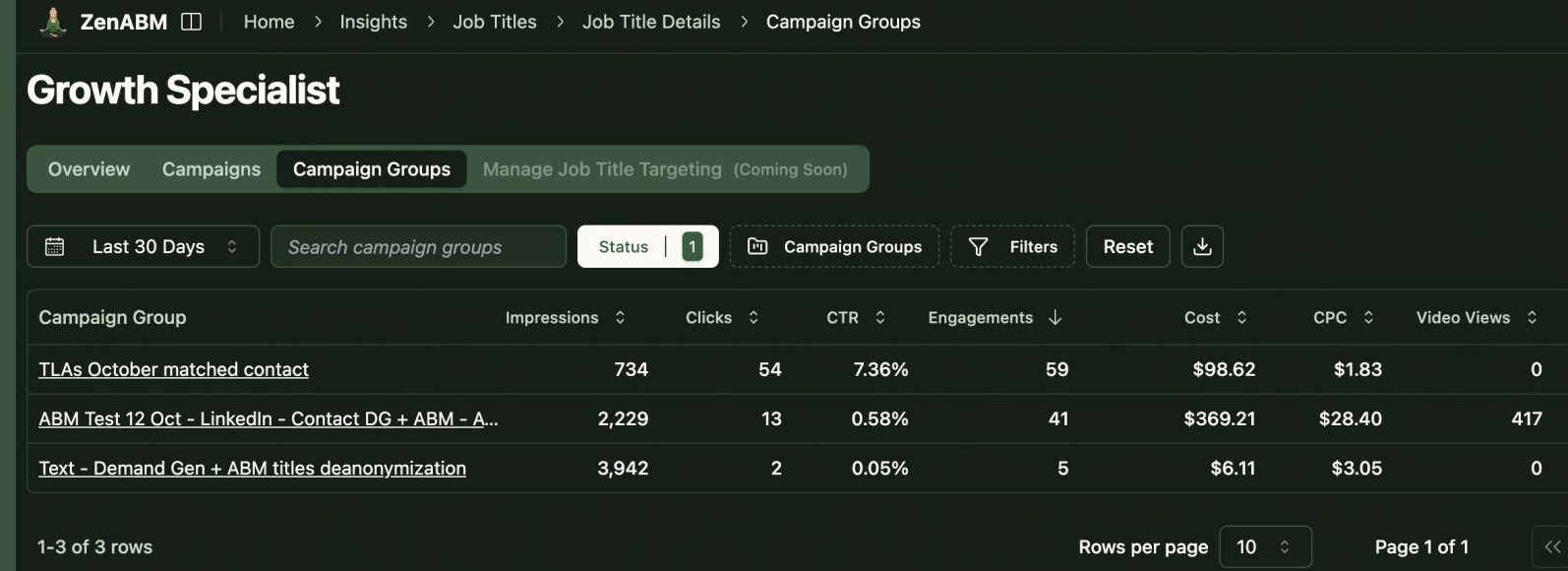
ZenABM shows which job titles engage with your creatives and provides dwell time and video funnel analytics.
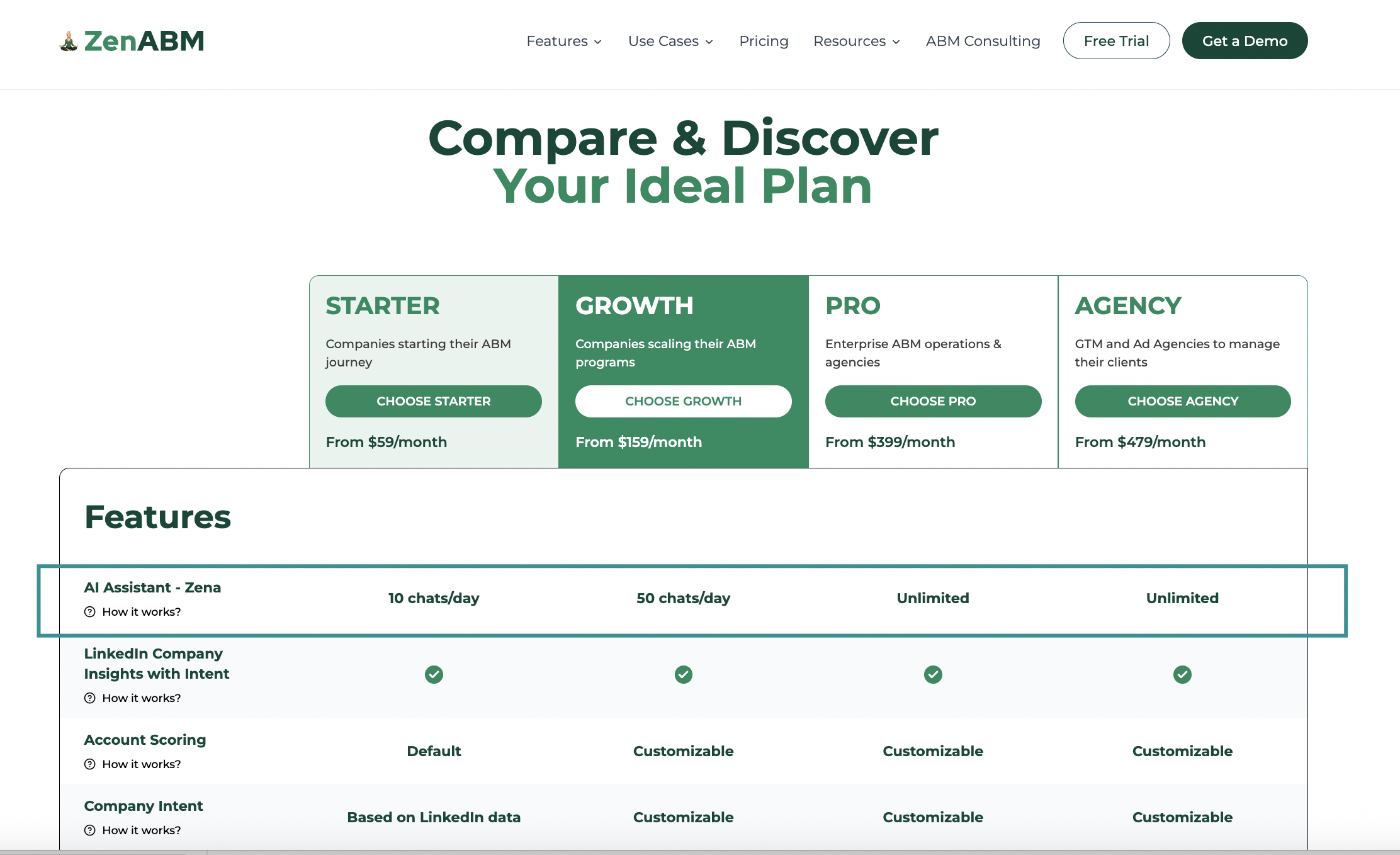
ZenABM provides its AI chatbot called Zena that answers ZenABM questions in natural language.
You can ask Zena open-ended questions and get company-level answers about:
Under the hood, Zena combines OpenAI with a library of prompts and endpoints to join ad engagement, spend and CRM deals so it can explain which campaigns drove pipeline, which accounts turned into opportunities, and which companies are high intent but untouched by sales.
Instead of exporting spreadsheets and stitching pivot tables, you get plain language insights that are easy to use in reviews, sales standups, and exec updates.
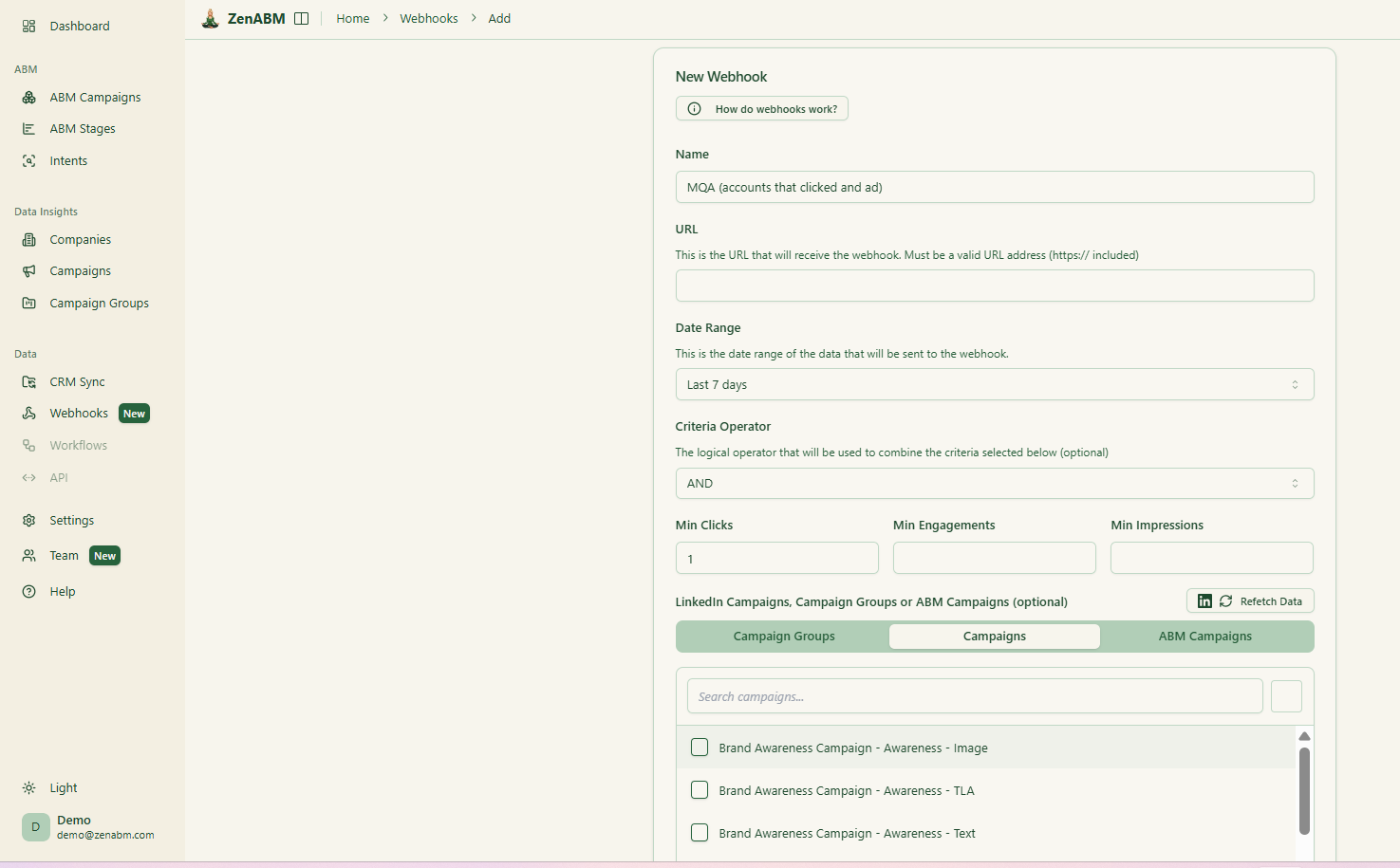
ZenABM’s custom webhooks let you push events into your stack, for example, Slack alerts, enrichment flows, or other ops automations.

Most tools treat each LinkedIn campaign separately. ZenABM lets you group several into one ABM campaign object so you can see performance across regions, personas, or creative clusters.
Instead of juggling fragmented reports in Campaign Manager, you see spend, pipeline, account movement, and ROAS for the entire initiative.
For agencies, ZenABM offers a multi-client workspace.
You can manage multiple ad accounts and clients in one environment, each with its own ABM strategy, dashboards, and reporting, instead of constantly switching accounts in Campaign Manager.
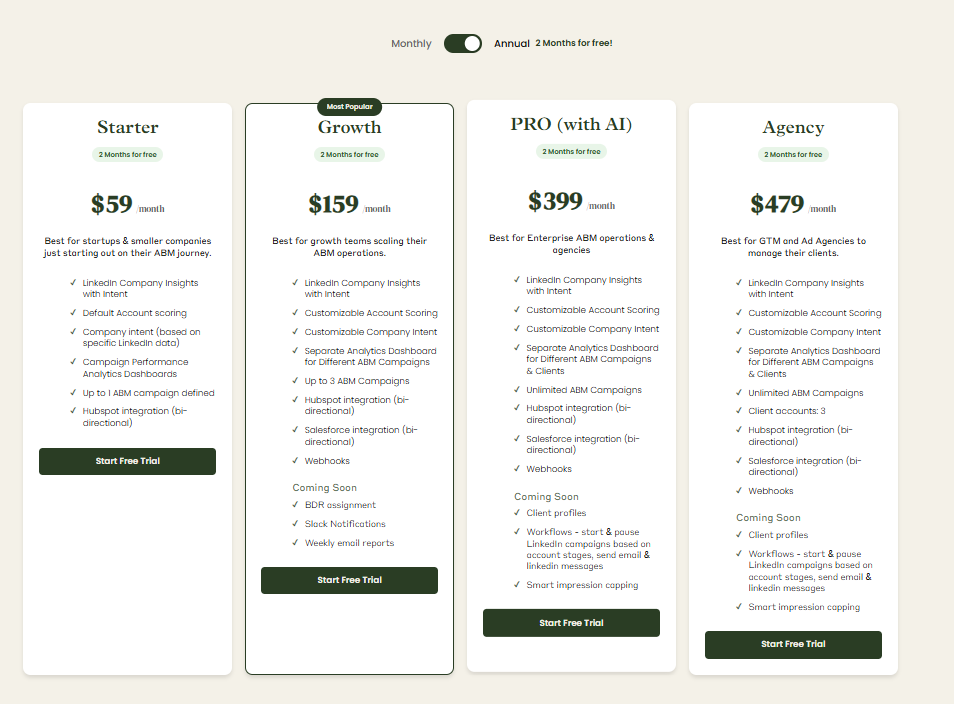
Plans start at $59/month for Starter, $159/month for Growth, $399/month for the Pro (AI) tier, and $479/month for the agency tier.
Even the highest tier costs under $6,000/year, far less than Madison Logic.
All plans cover essential LinkedIn ABM functions, with higher tiers mostly expanding limits or adding Salesforce integration.
Pricing is flexible (monthly or annual with two months free), and a 37-day free trial allows teams to try before buying.
Madison Logic is an enterprise ABM platform that combines intent-driven targeting, multi-channel activation (including content syndication), and structured measurement.
It tends to fit larger teams running ABM at scale, with the budget and operational capacity to manage multi-channel workflows and interpret complex performance signals.
For teams that primarily run ABM on LinkedIn, or that want faster first-party intent and measurement without the overhead of a heavyweight enterprise suite, ZenABM can be a more direct solution, or a complementary layer that improves account-level LinkedIn signal quality and CRM visibility.