



In this guide, I compare Recotap vs. Dreamdata on features, pricing and ABM fit so marketing and sales teams can quickly see which platform fits their playbook.
I also cover how ZenABM can work as a better alternative or a complementary layer on top of your existing stack due to its unique features.

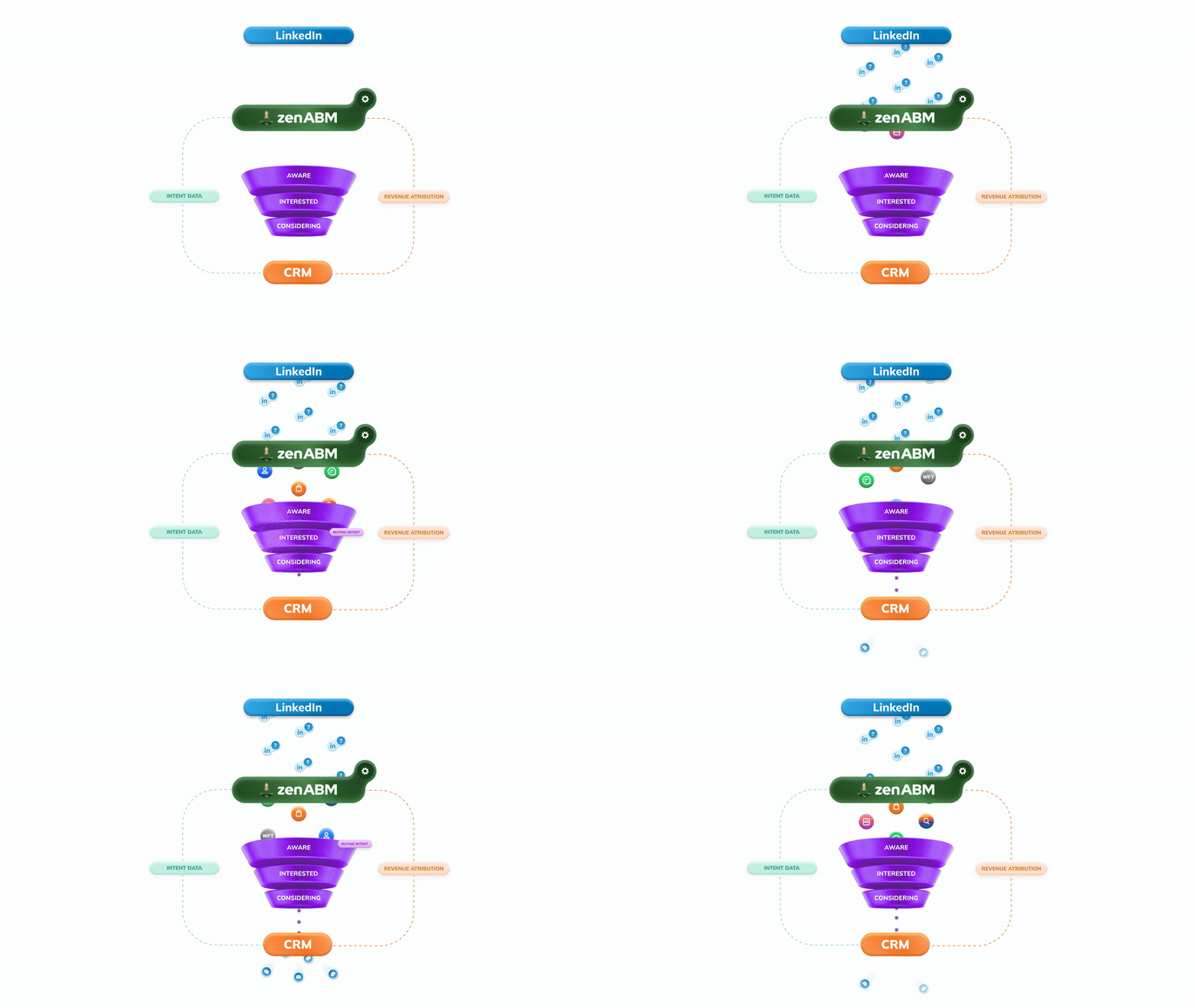
In case you’re short on time, here is the snapshot:
Recotap positions itself as a LinkedIn-first ABM platform for B2B teams that want tighter control over which accounts they target and how those accounts move through the journey.
Recotap acts as an all-in-one ABM layer across data, ads, web and analytics.
Recotap pulls data from your CRM, marketing automation, website and third-party intent providers into a single account profile so you can actually see what each company is doing across channels.
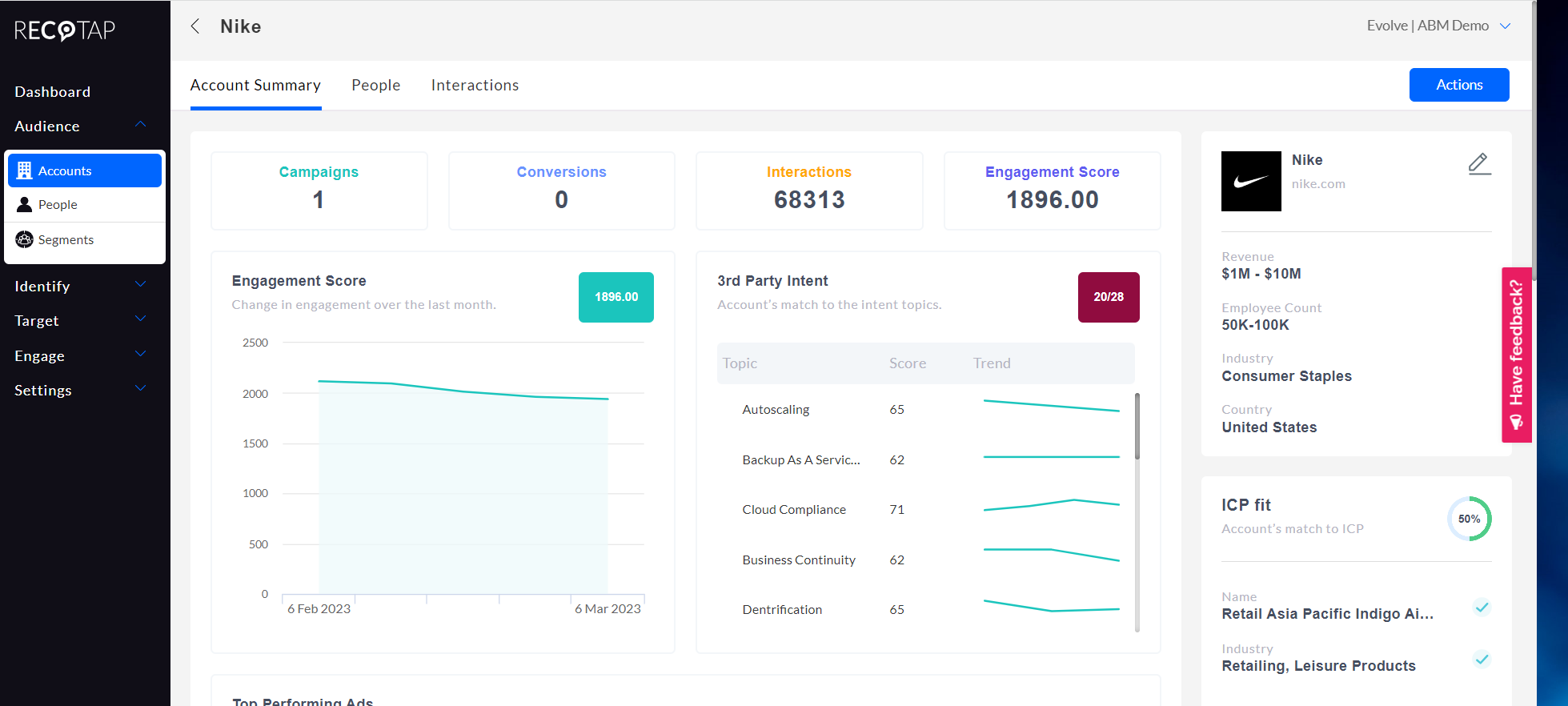
It combines visits, ad clicks, external intent (Bombora, G2, TrustRadius) and CRM data so you can segment and score accounts by both fit and activity instead of guessing.

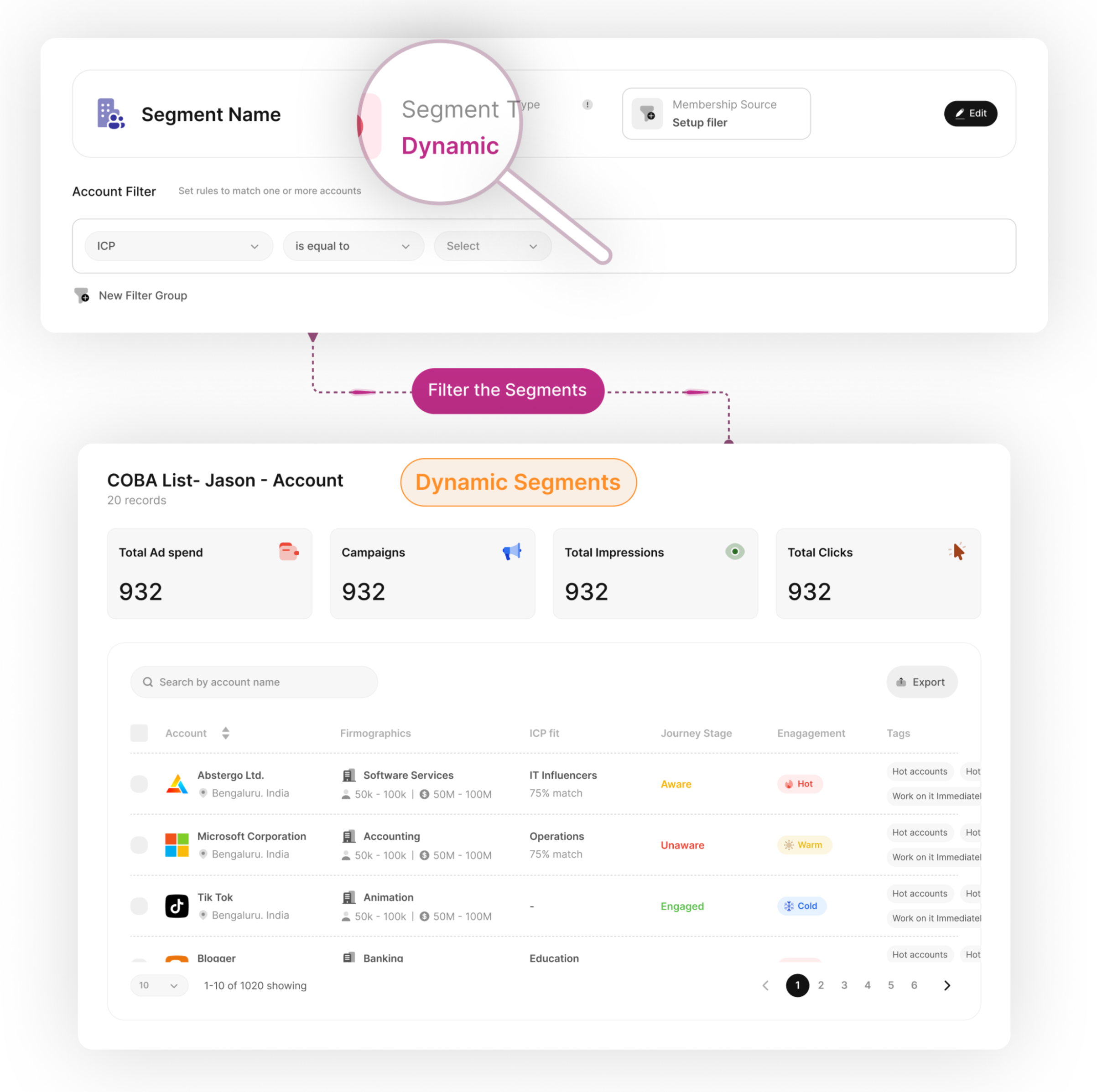
You define segments using firmographics, engagement, ICP fit and intent, and Recotap keeps lists refreshed automatically, so target account lists are not a spreadsheet hobby. Its AI also labels where an account is in the journey, from early research to close to sales.
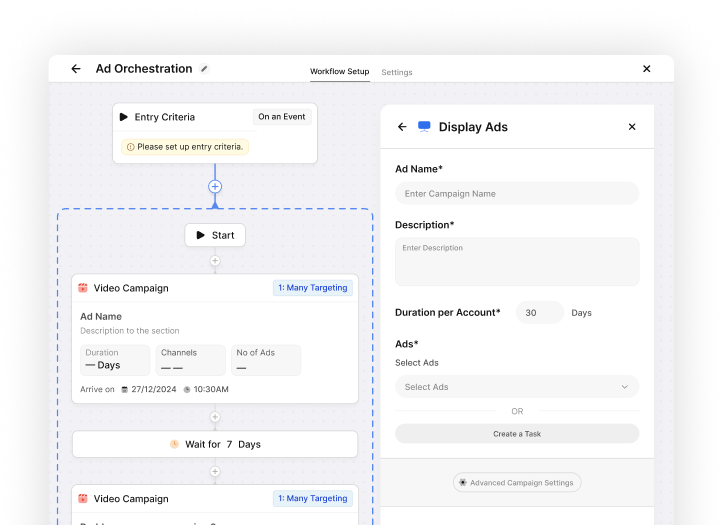
As an official LinkedIn Marketing Partner, Recotap supports advanced LinkedIn Ads management. It helps you roll out account-based LinkedIn campaigns and tailored LinkedIn ads at scale.

You can spin up 1 to 1 landing page experiences for key accounts, similar to what web modules in tools like Terminus or Demandbase try to do.
Recotap integrates with major CRM and marketing automation platforms so sales and marketing work from the same data.
Salesforce and HubSpot CRM sync accounts, contacts and deals, and Marketo or Pardot covers nurture. It also connects to sales tools like Outreach and Salesloft, plus Slack and Teams, so reps get alerts when a target account heats up.
Recotap ships AI-powered analytics and revenue attribution dashboards.
Its Revenue Impact view ties campaigns to pipeline and revenue and helps you see how account journeys progress from first touch to closed won.
Recotap tracks intent spikes, refreshes segments and triggers outreach when an account hits a hot score. Reviewers say the UX tries to keep ABM manageable instead of overwhelming.
Recotap’s ABM Signal Hub merges first-party engagement data from CRM, website and marketing tools with intent from G2, TrustRadius and Bombora to give a fuller account view.
The intent scoring engine ranks accounts by readiness and sends hot ones into campaigns or sales queues. Real-time sync lets Recotap trigger LinkedIn ad sequences as soon as interest shows up, often compared to lighter versions of what 6sense or Demandbase do.
Recotap publishes pricing, which at least stops the mystery.
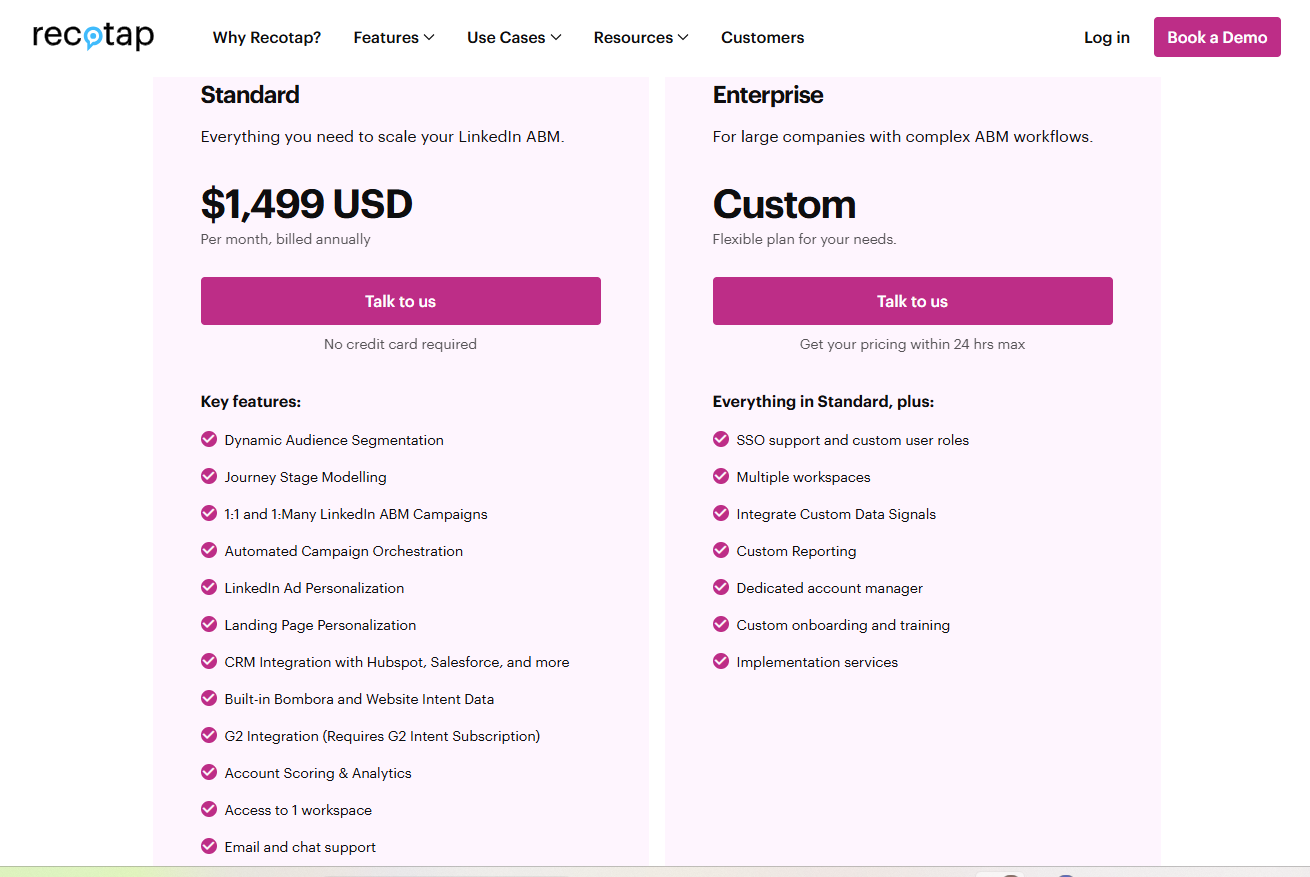
Given Standard already sits above $10K per year, ZenABM is the cheaper, LinkedIn-focused option starting at ~$59/month, with the top tier still under $6K per year.
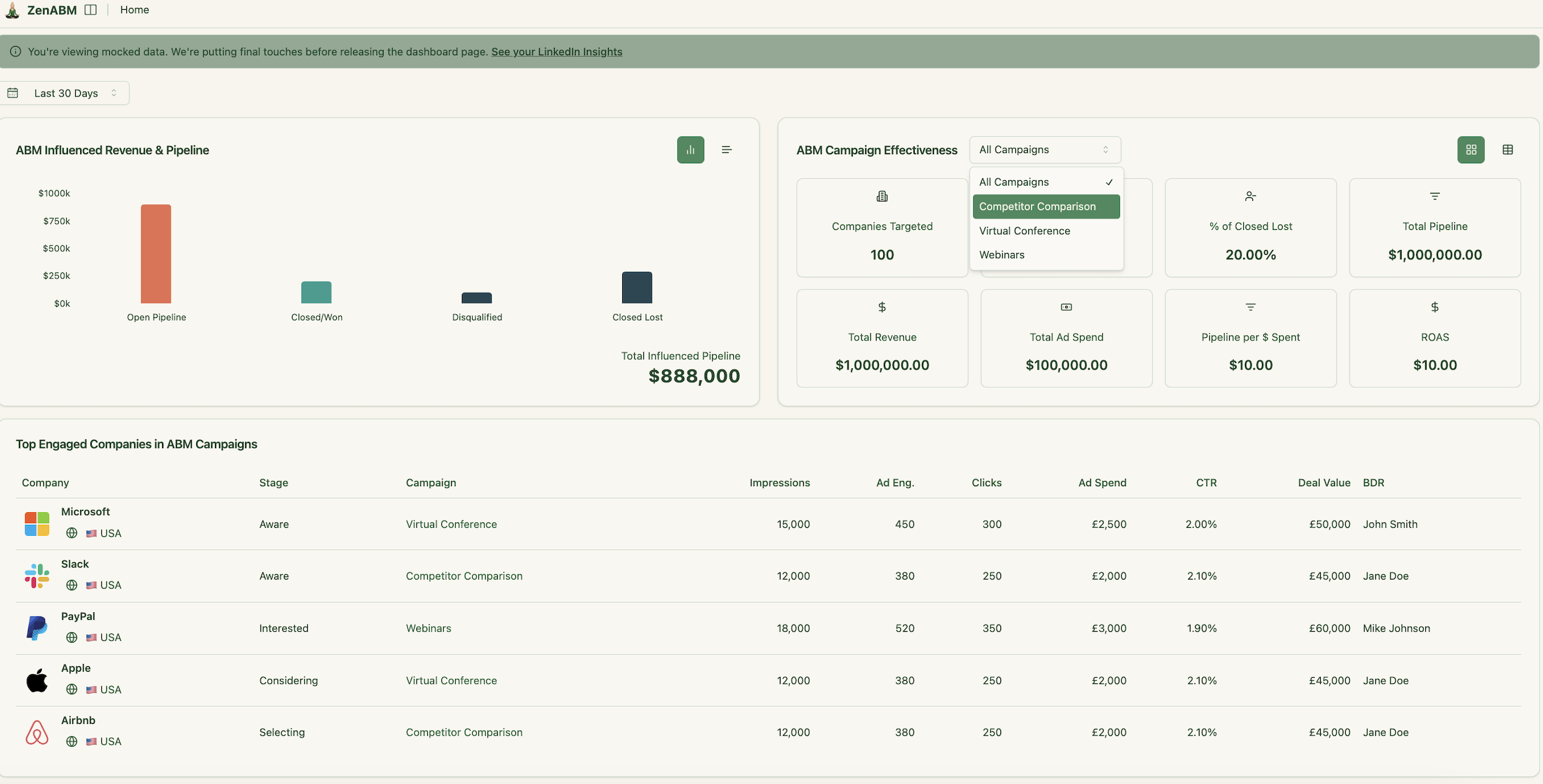
ZenABM still covers core LinkedIn ABM needs such as account-level ad engagement tracking, account scoring, ABM stage tracking, routing hot accounts to BDRs, bi-directional CRM sync, custom webhooks, qualitative company intent and plug and play ROI dashboards.
Recotap holds a 4.7 out of 5 rating on G2 from 47 reviews.
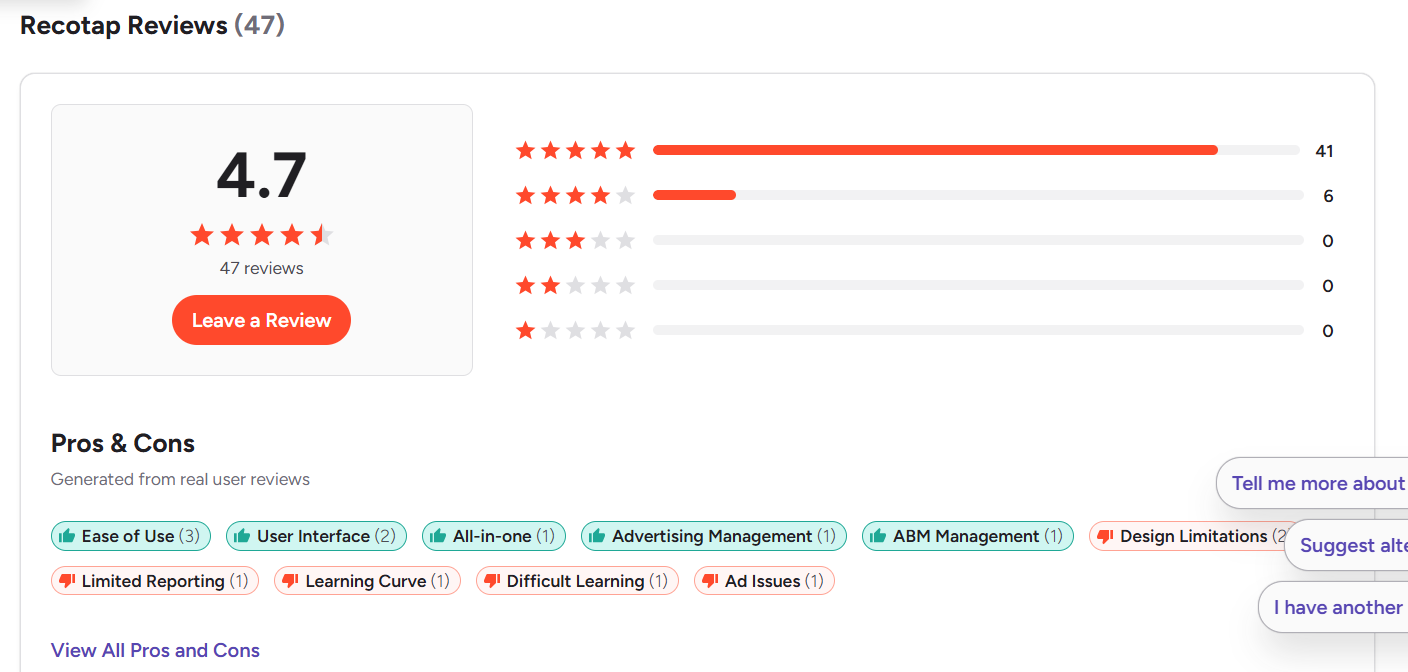
Most reviewers are based in Asia, so Recotap’s current go-to market is clearly APAC heavy.
Users often praise:
Common issues:
TrustRadius and other sites are still relatively quiet on Recotap.
Dreamdata bills itself as a B2B “Activation and Attribution Platform” that maps buyer touchpoints and ties them to revenue.
Dreamdata aims to be a central place to connect marketing spend to revenue.

Dreamdata provides several attribution models, such as first touch, last touch, W-shaped, time decay, and data-driven options. It aggregates CRM, website, and ad data into a single timeline so you can see how content and campaigns contributed to a deal, not just the last click.


Dreamdata rolls data into revenue analytics dashboards, showing pipeline and ROI by channel, campaign, and content. You can track metrics like Time to Revenue and pipeline velocity by stage. Some users on G2 note that not all pre-built reports are useful, and the learning curve is real.

By the way, ZenABM also provides account-based LinkedIn ad revenue attribution dashboards starting at $59/month.

Dreamdata automatically organizes contact-level touchpoints into account journeys so you see how buying committees move from first touch to close. Its ABM view helps marketing show influence on deals and track account-level engagement.

The “Reveal” module identifies which companies are engaging most, scores their activity, and flags high fit visitors.

Dreamdata lets you build audiences using filters across all your data and sync them to ad platforms. For example, you can create a segment of accounts that visited your pricing page twice and retarget them on LinkedIn.

It also supports one-click conversion syncing, so events like SQLs or closed deals flow back into ad platforms for revenue-based optimization.

Dreamdata has 40+ integrations across CRMs, marketing automation, ads, analytics, and more.
Big ones:
Dreamdata is not very transparent about pricing on its homepage.
Here is what is publicly available:

If you are looking for a leaner tool, ZenABM starts at $59/month. It offers account-level LinkedIn ad engagement tracking, plug-and-play dashboards, account scoring, ABM stage tracking, CRM sync, first-party qualitative intent, automated BDR assignment, custom webhooks, and job title-level engagement tracking.

Dreamdata reviews cluster around three themes:
The key differences between Recotap and Dreamdata are summarized here.
| Aspect | Recotap | Dreamdata | Best suited for |
|---|---|---|---|
| Core positioning | LinkedIn first ABM platform for identifying, engaging and converting high value accounts | B2B activation and attribution platform that maps buyer touchpoints to revenue | Teams choosing between an execution led ABM layer and an analytics led revenue brain |
| Primary focus | Account selection, LinkedIn campaigns, web personalization and ABM orchestration | Multi touch attribution, revenue analytics, funnel reporting and account journeys | Orgs that need to run ABM programs vs orgs that need to prove and optimize them across channels |
| Data and intent model | ABM Signal Hub blends CRM, MAP, website and Bombora or G2 or TrustRadius intent into account scores and stages | Ingests CRM, web and ad data, groups touches into account journeys and applies attribution models | Stacks that want unified intent and execution vs stacks that want unified performance analytics |
| LinkedIn and ads | Advanced LinkedIn ABM campaigns at 1 to 1 and 1 to many levels with automation and segmentation | Syncs audiences and conversions to ad platforms but does not run campaigns natively | Teams that live inside LinkedIn Ads vs those that already run ads and now want better measurement |
| Website personalization | Built in 1 to 1 landing pages and personalized web experiences by account | No native web personalization, instead feeds data to other tools in the stack | Companies wanting coordinated ad plus web journeys vs companies focused on analytics only |
| Attribution depth | Revenue Impact view connects campaigns to pipeline and revenue with ABM focused reporting | Multiple attribution models, detailed revenue analytics and funnel reports across channels and campaigns | Marketing teams that need clear ABM impact vs teams needing formal multi touch attribution |
| Audience building and activation | Dynamic segments auto refreshed and used directly for LinkedIn and sales playbooks | Audience builder creates segments from cross channel data and syncs them to ad platforms | Stacks centered on LinkedIn execution vs stacks that use many ad platforms and want shared audiences |
| Integrations | Salesforce, HubSpot, Marketo, Pardot, Outreach, Salesloft, Slack and Teams | 40 plus integrations including Salesforce, HubSpot, Dynamics, major MAPs, Google, LinkedIn, Meta, G2 and data tools | Teams with a standard ABM stack vs teams with a broad multi channel and data heavy environment |
| Pricing level | Standard at about 1,499 USD per month annual, Enterprise custom, 10k plus per year | Free starter tier, paid plans from roughly 750 USD per month with median contracts in premium range | Mid market ABM budgets vs teams ready to fund a dedicated attribution platform |
| Complexity and learning curve | Suite style but UX aims to keep ABM manageable once configured | Powerful but noted learning curve and need for clean data and thoughtful setup | Teams willing to own an ABM tool vs teams ready to invest time in analytics setup |
| ABM breadth | Covers data unification, LinkedIn ads, web personalization, segments, automations and ABM analytics | Covers attribution, revenue analytics and account journeys rather than day to day ABM execution | Companies choosing an ABM execution platform vs a revenue analytics and attribution platform |
Recotap behaves like a compact ABM platform with a LinkedIn spine.
It pulls CRM, MAP, web and intent data into unified account profiles, scores and stages accounts, orchestrates LinkedIn campaigns and 1-to-1 landing pages, then reports revenue impact at the account-level.
If your pain is “we do LinkedIn heavy ABM, but our targeting, journeys and personalization are messy,” Recotap is closer to what you want.
Dreamdata is more of a measurement and activation brain.
It shines when you have multiple channels in play, care about proper multi-touch attribution and want to answer questions like “which campaigns actually moved pipeline” and “how long does it take accounts to convert by channel.”
It does have ABM views and account journeys, but its heart is analytics, not media and personalization.
If what you really need is first-party accuracy on LinkedIn, account scoring, ABM stages, CRM sync and revenue attribution, this is where ZenABM comes in.
In fact, even for teams running multi-channel ABM, ZenABM adds a focused LinkedIn analytics and intent layer.
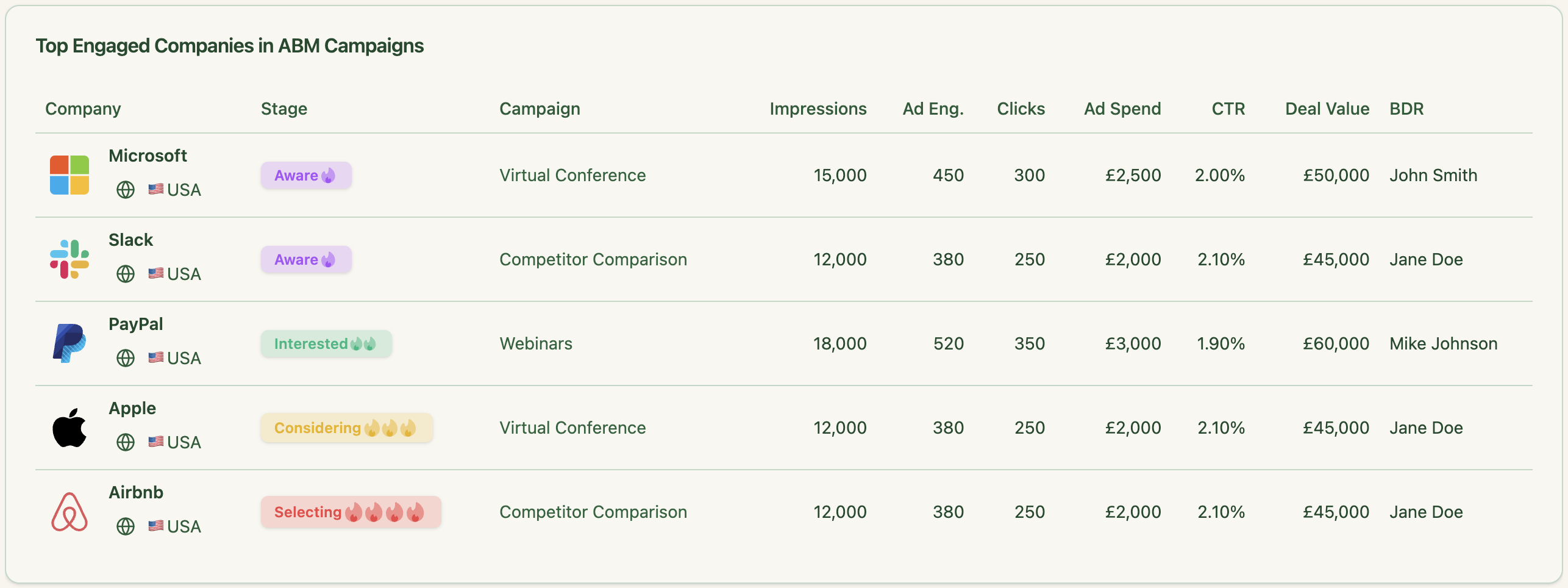
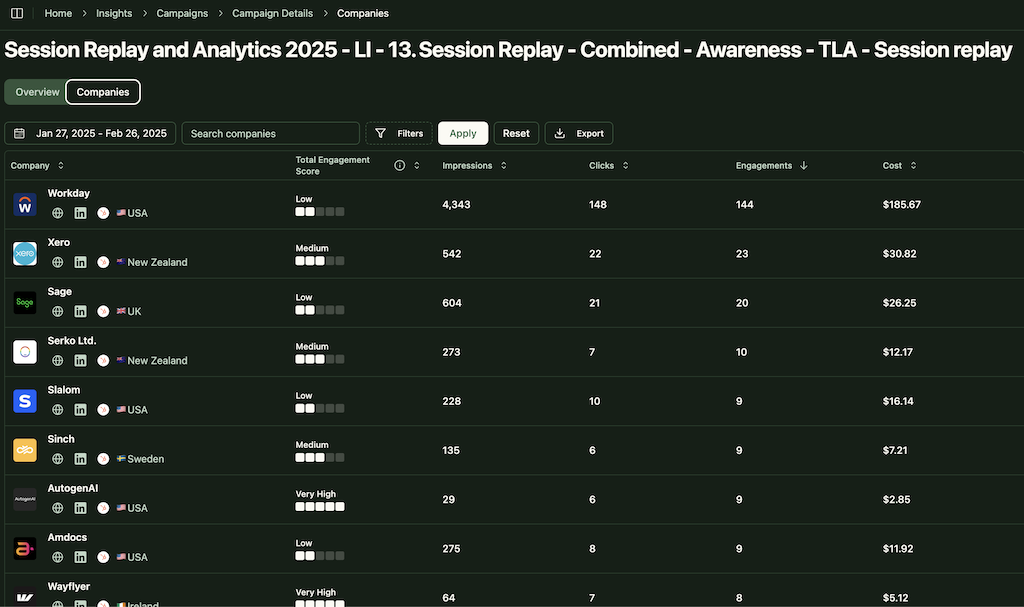
ZenABM connects directly to the official LinkedIn Ads API and records account level data per campaign.
You see which companies view and engage with your ads based on first party LinkedIn data instead of fragile IP or cookie matching. A Syft study caps IP based identification near 42 percent accuracy, so ad engagement is treated as the stronger signal.
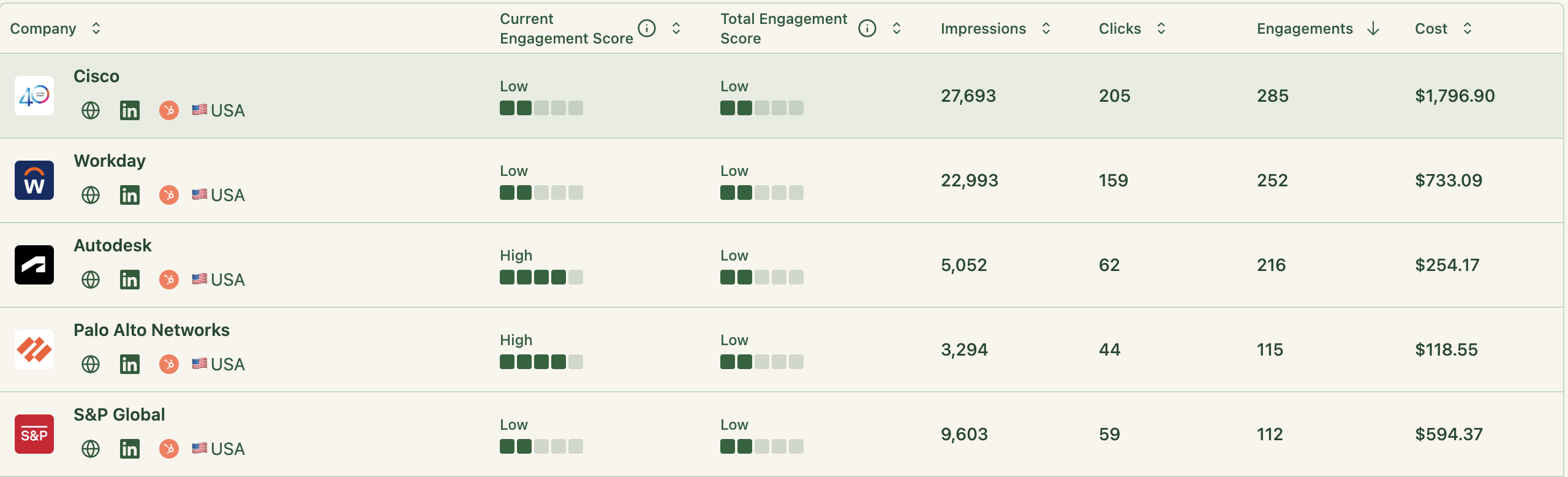
ZenABM updates engagement scores continuously as accounts interact with your ads. You get a full touchpoint history and can define stages such as Identified, Aware, Engaged, Interested and Opportunity.
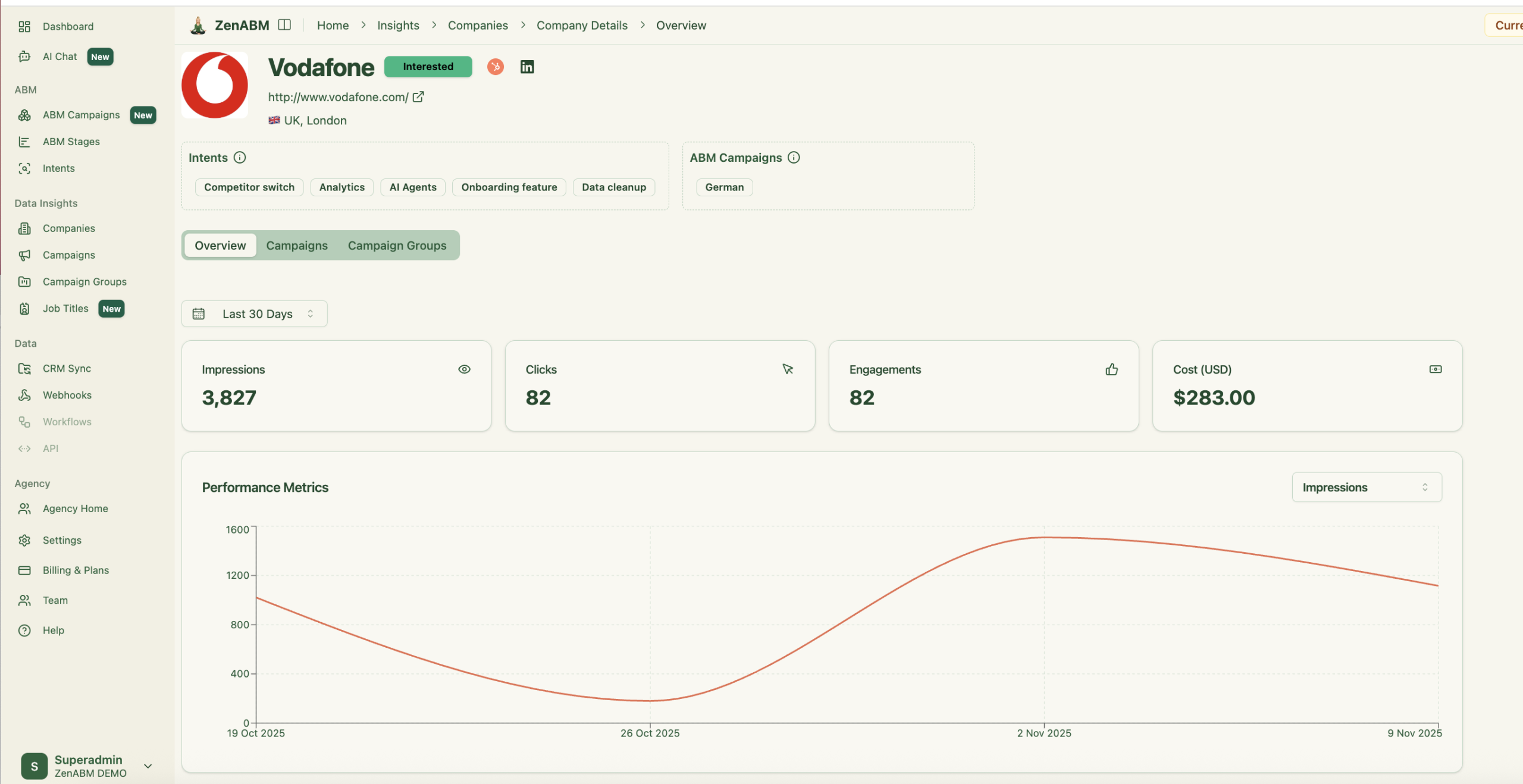
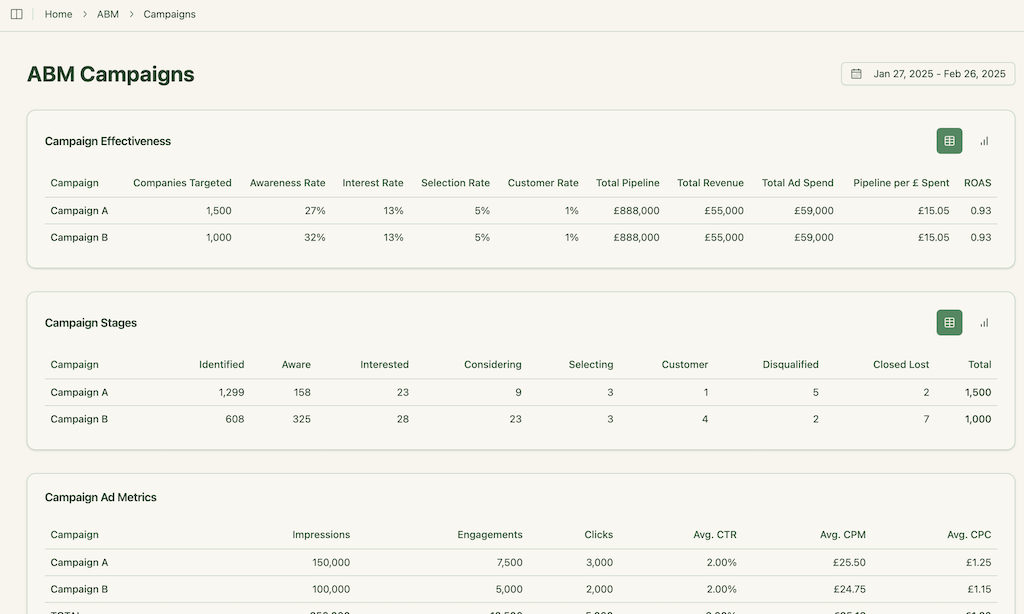
ZenABM syncs bi-directionally with HubSpot and supports Salesforce on higher plans. All LinkedIn metrics can be written as company properties inside your CRM.
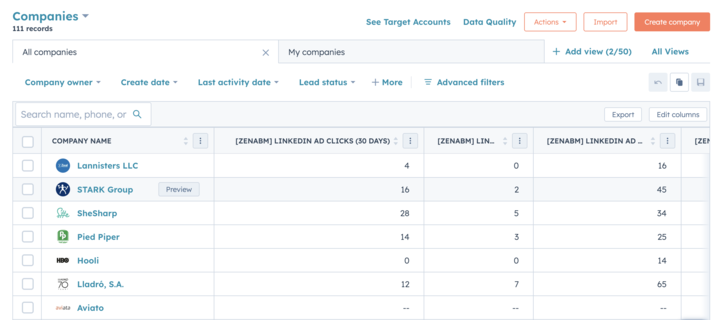
When an account crosses your scoring threshold, ZenABM can update its stage and auto assign a BDR for timely outreach.
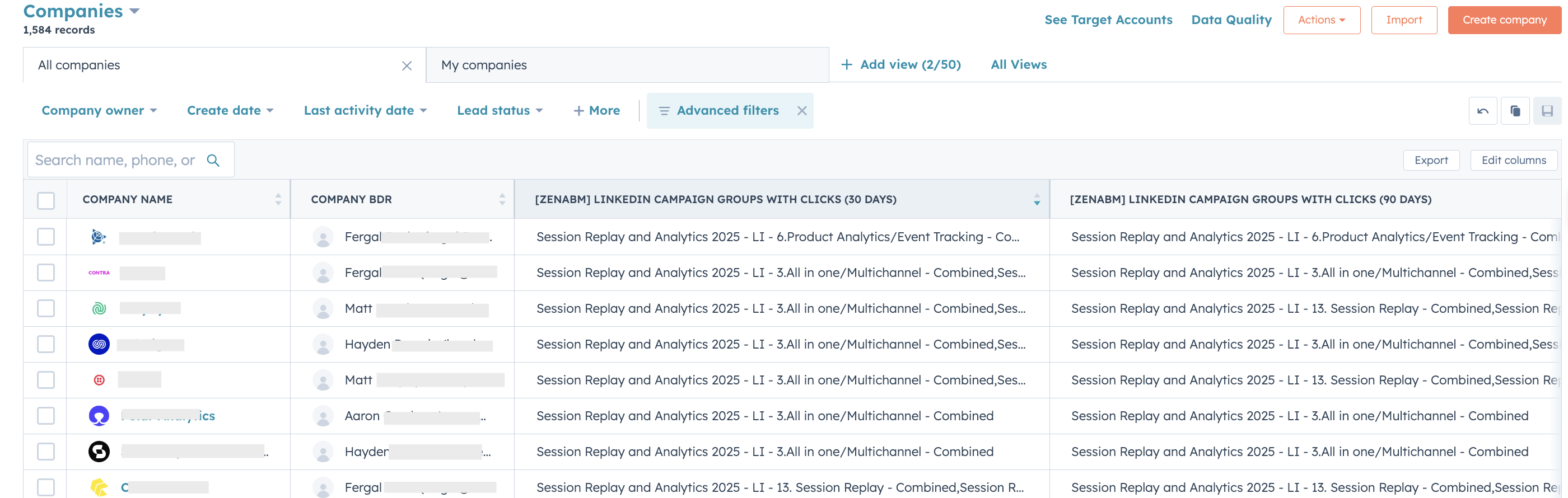
ZenABM lets you pull intent topics from LinkedIn campaigns and tag campaigns by feature, use case or offer.
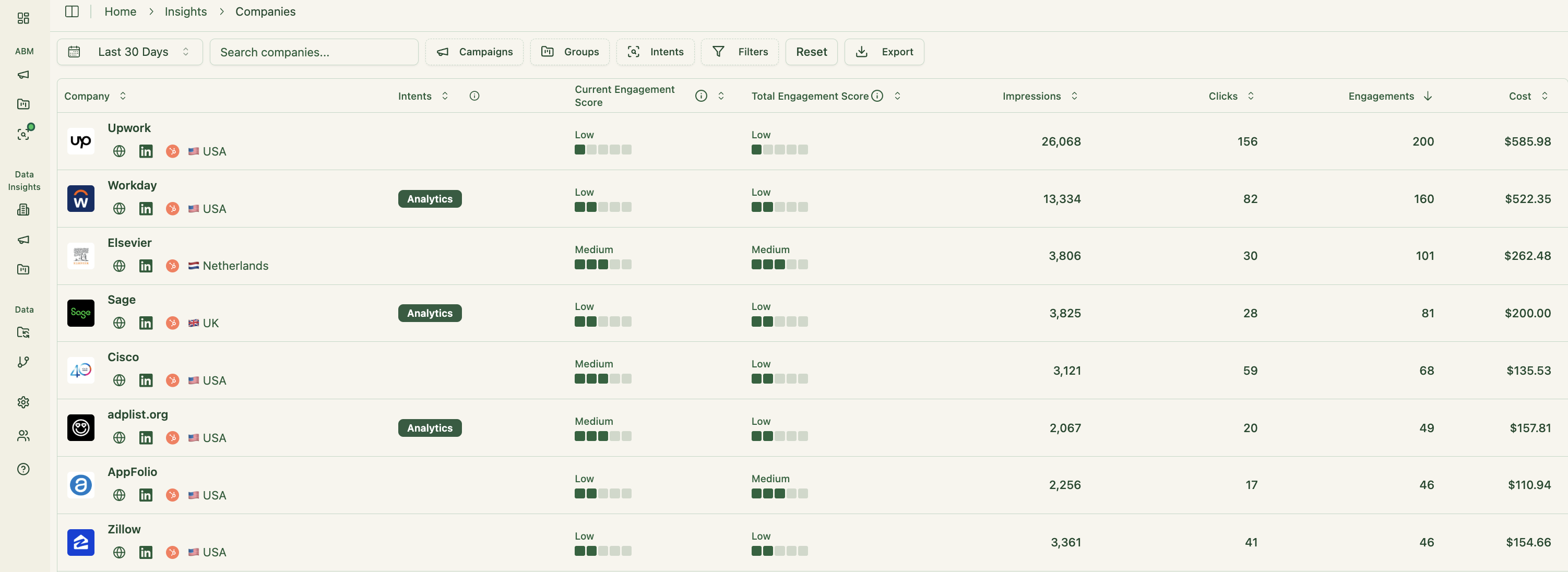
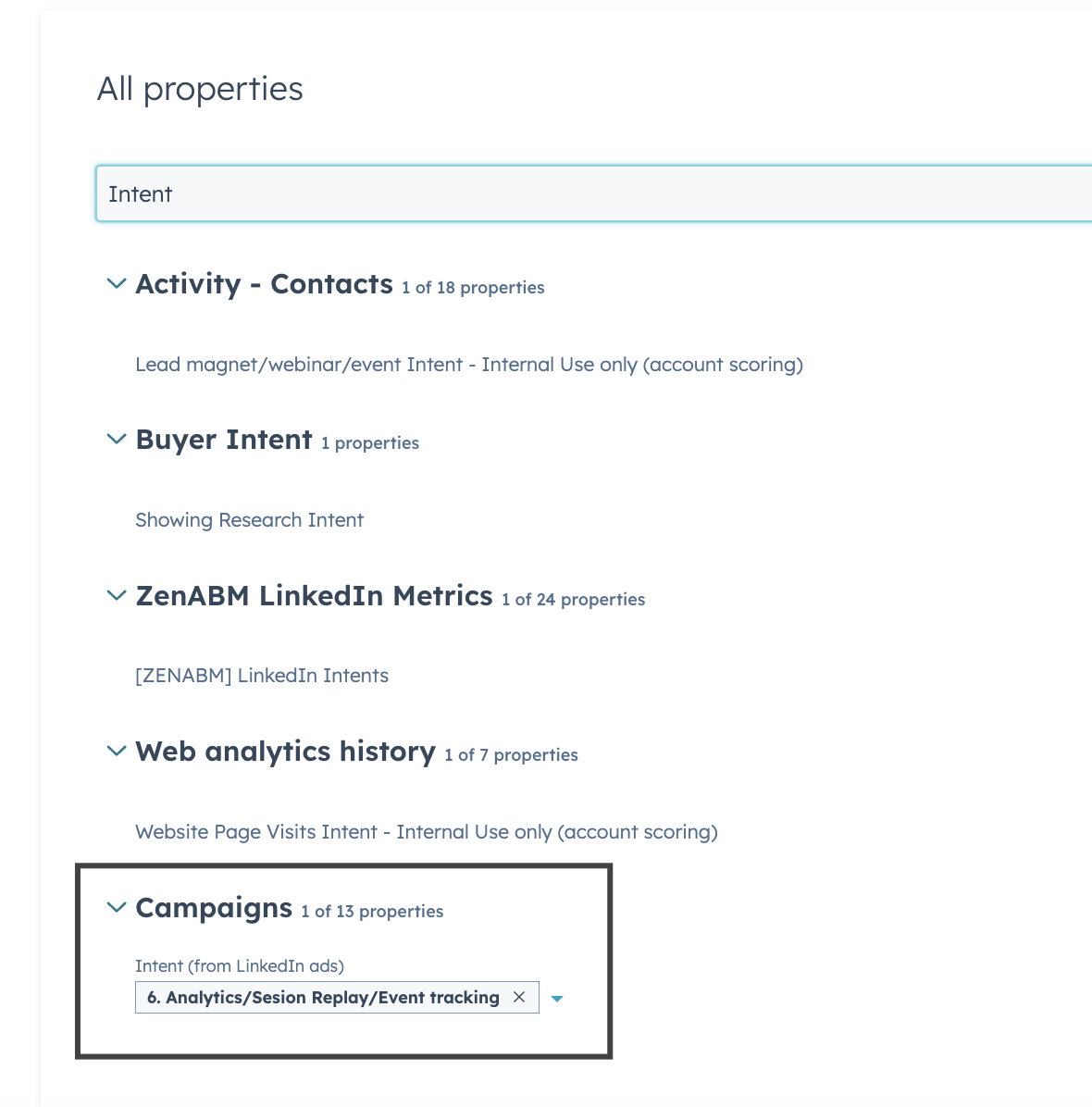
Its ABM dashboards connect LinkedIn ads to account engagement, stages and revenue. Because ZenABM tracks deal value and ad spend per company and campaign, it can calculate ROAS and pipeline per dollar automatically.
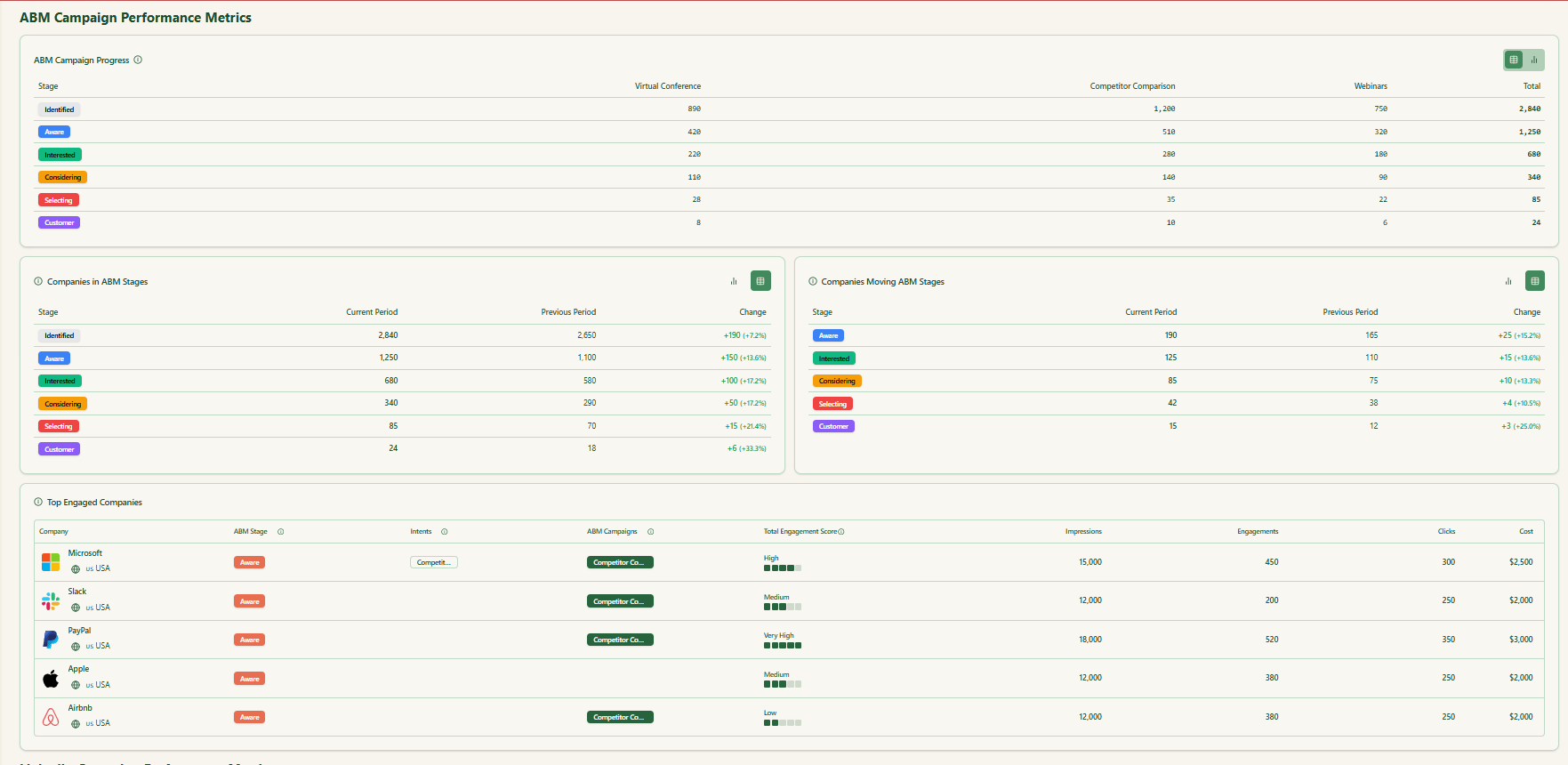
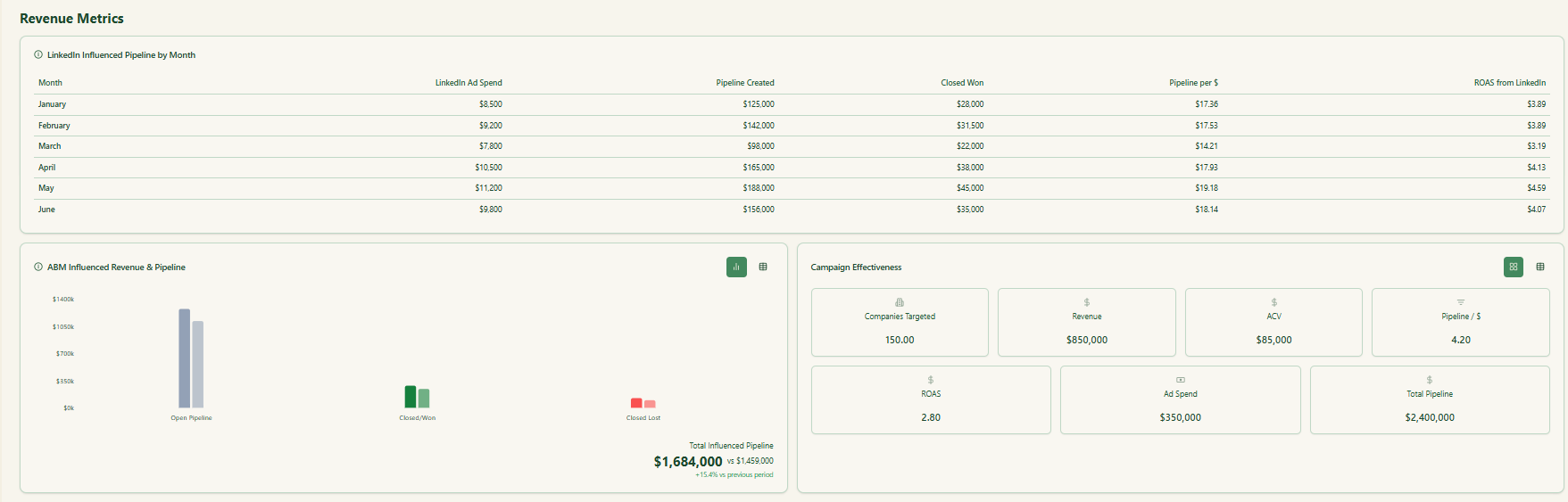
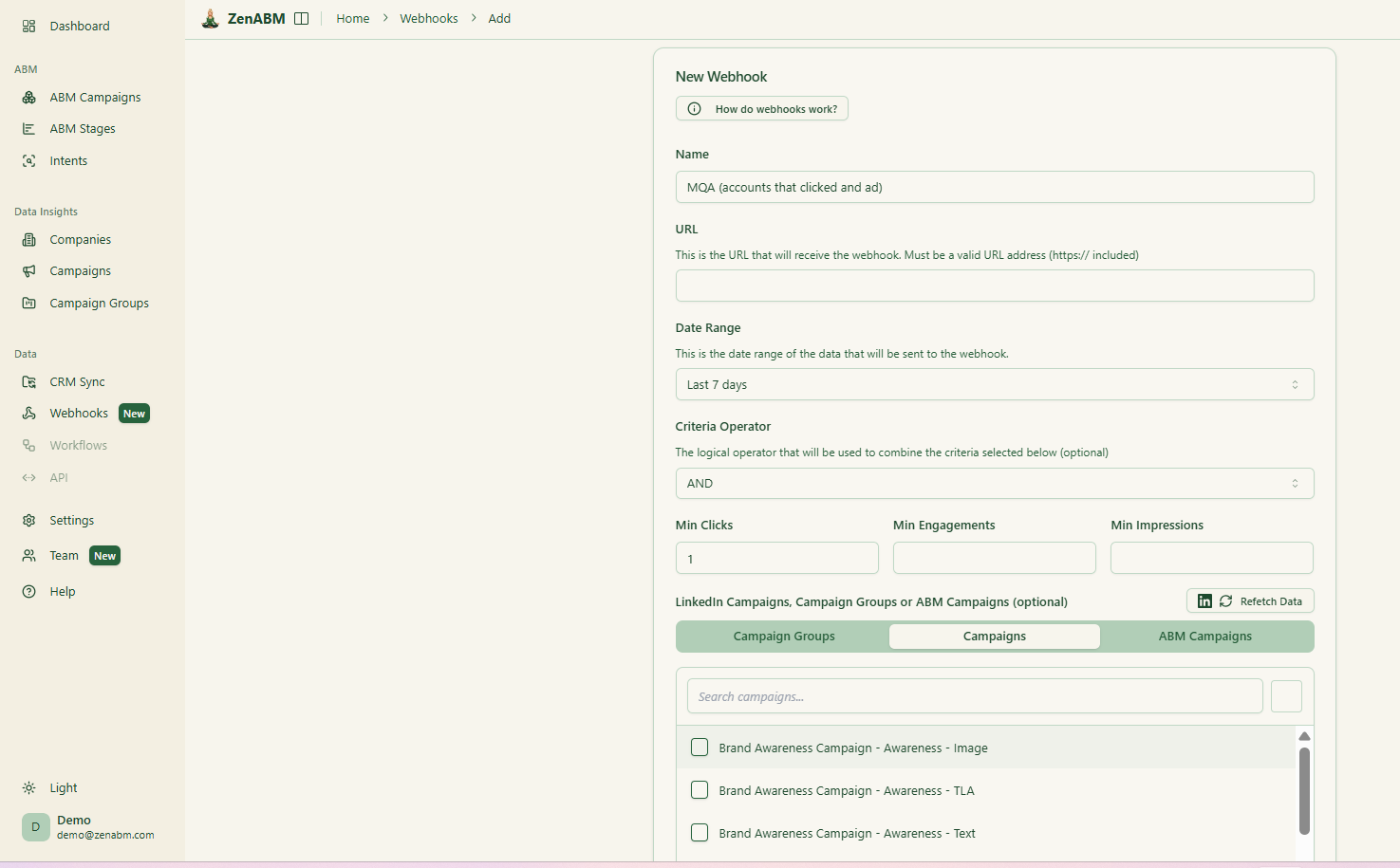
ZenABM webhooks send events into your stack for Slack alerts, enrichment flows and other automation, and job title analytics show which roles are most engaged.
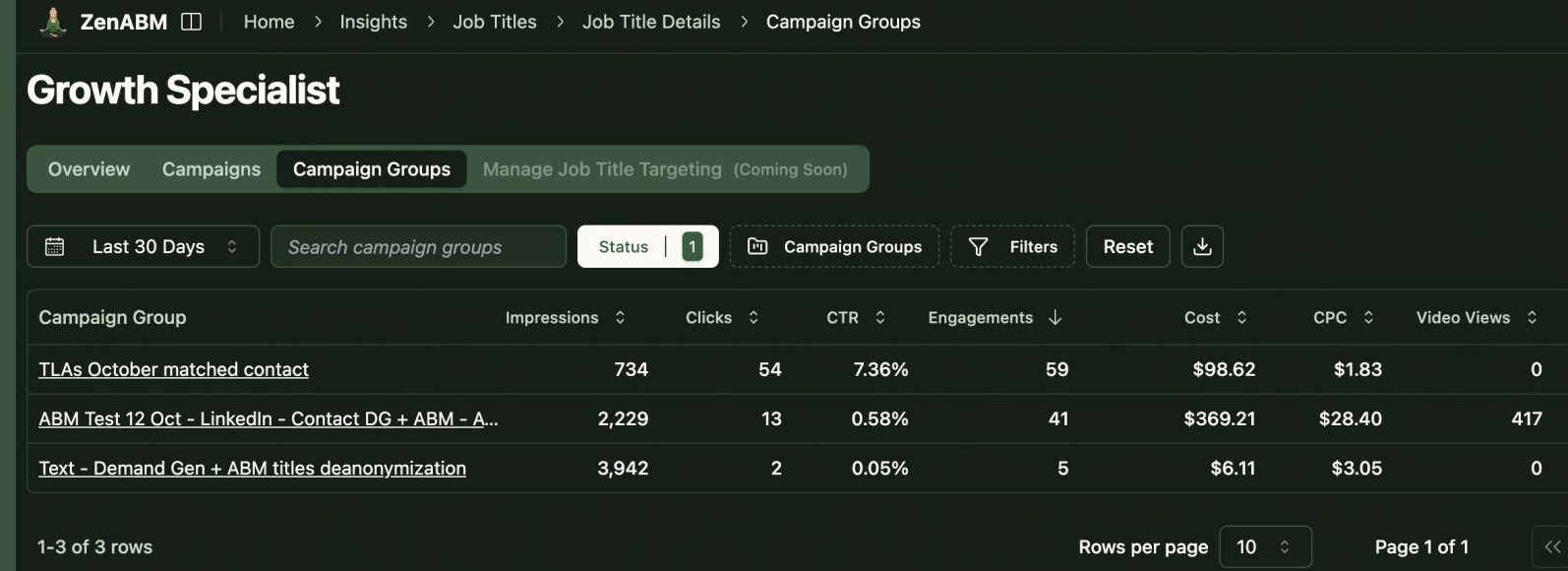
You can also group campaigns into ABM campaign objects and view performance across markets, personas or creative clusters rather than toggling between isolated reports.
ZenABM includes an AI chatbot on top of your LinkedIn API data and ABM model, so you can ask questions like “Which accounts moved from Interested to Selecting last month?” or “What is my pipeline per dollar on retargeting campaigns?”
Agencies can use the multi-client workspace for several ad accounts and ABM campaigns without endless switching in Campaign Manager.
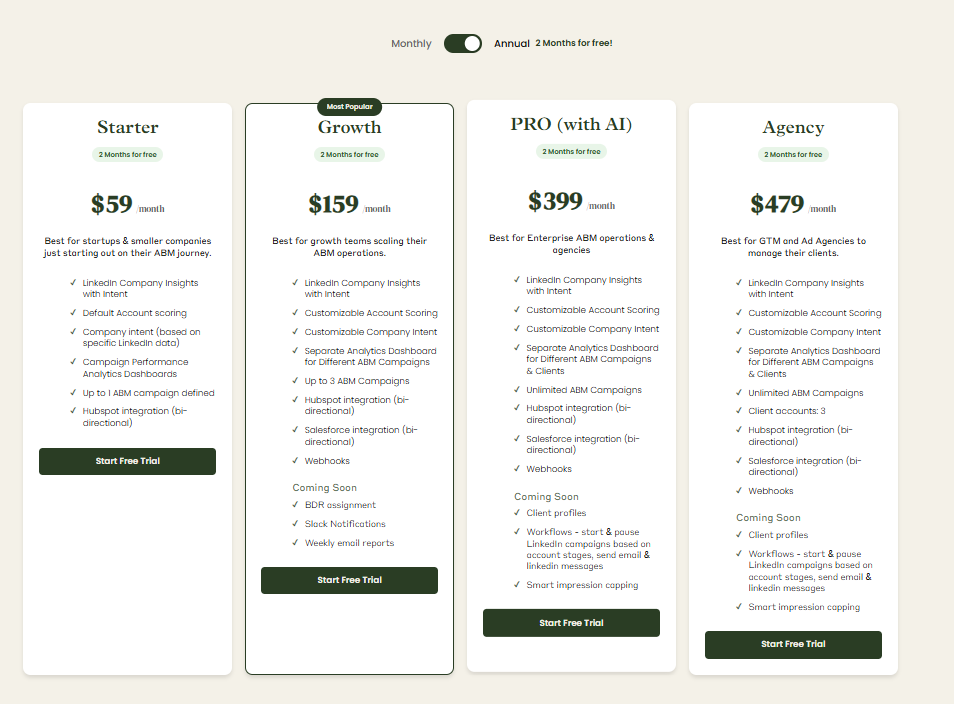
Plans start at $59 per month for Starter, $159 for Growth, $399 for Pro (AI) and $479 for Agency.
The Agency plan still stays under $6,000 per year, and all tiers include core LinkedIn ABM capabilities. Higher tiers mainly lift limits and add Salesforce sync, and every plan comes with a 37-day trial.
Recotap is for teams that want to run ABM, not just observe it. It lets you pick and score accounts, run LinkedIn ABM at scale, personalize landing pages and see revenue impact, all from an account perspective.
If your GTM is LinkedIn-heavy and you want to tighten targeting and journeys, Recotap is closer to your daily workflow.
Dreamdata is for teams that have a messy stack of channels and campaigns and are tired of not knowing what actually drives revenue.
It pulls those touches together, applies attribution, and gives marketing and sales a shared view of what really works. If your leadership is hammering you for proof that spend ties to revenue, this is its natural habitat.
If what you mostly need is LinkedIn first, company-level visibility, first-party intent, ABM stages and CRM sync, ZenABM lands in the sweet spot.
You get clean LinkedIn ABM data and revenue views for $59 per month, and you can still stack something like Dreamdata later if you want a broader multi-touch attribution layer on top.
