



N.Rich positions itself as an execution-first ABM and account-based GTM platform for mid-market and enterprise B2B teams.
At a practical level, N.Rich features combine three things in one workflow:
This guide explains what N.Rich is, what you actually get inside the platform (with a heavy focus on N.Rich features), how pricing works, and where an alternative like ZenABM can make more sense (especially for LinkedIn-first ABM motions).

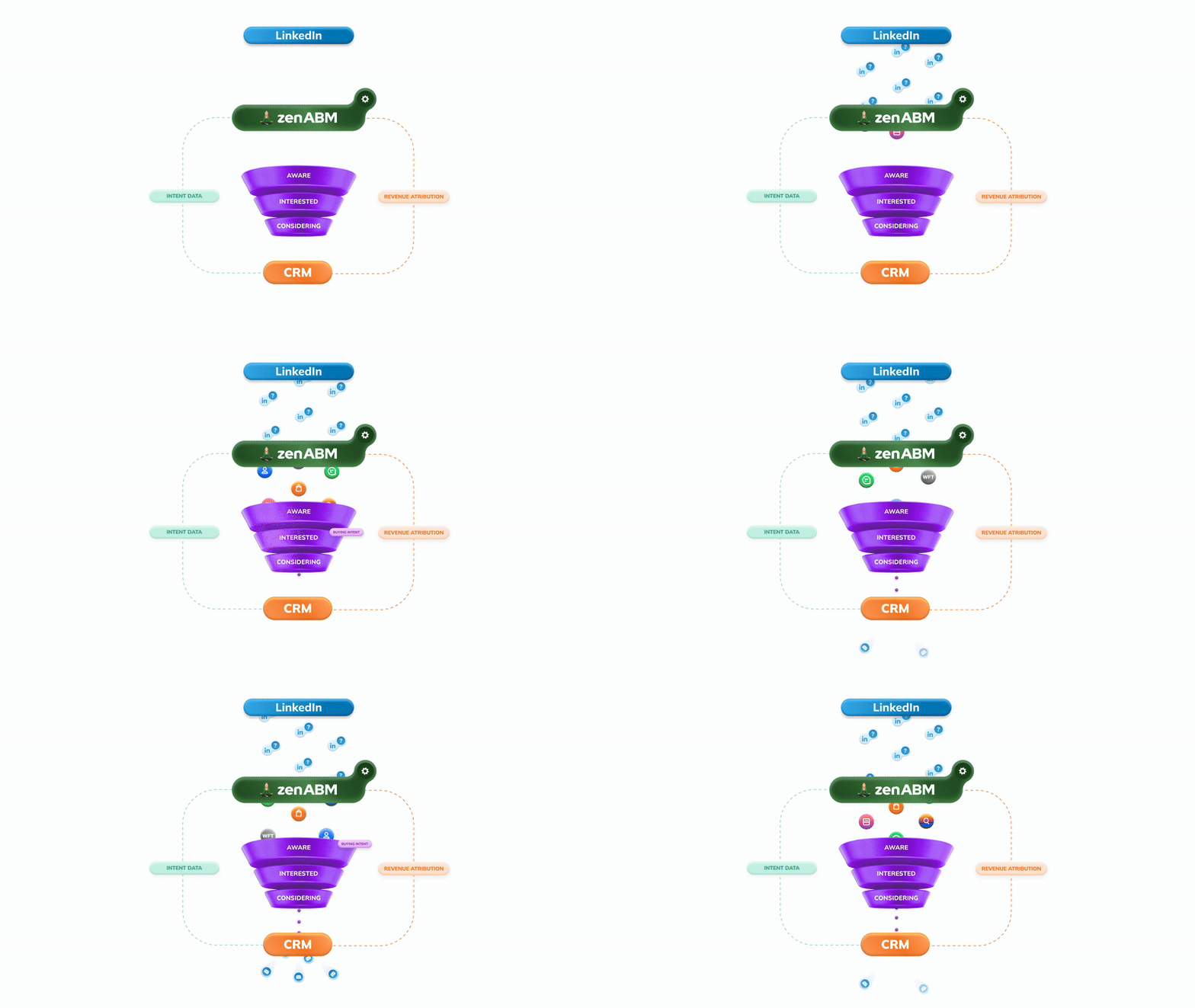
If you want the short version:

Most teams evaluate N.Rich as an execution layer for ABM. These are the N.Rich features buyers typically care about first:

One of the headline N.Rich features is its ICP builder.
It can ingest CRM opportunity and pipeline outcomes to help you model what “good-fit” looks like, based on your own historical results, not just assumptions.
From there, you can build target account lists using common filters (industry, size, geography, technographics, and other account attributes), then use those lists for activation and reporting.

Reality check: this only works as well as your CRM hygiene. If opportunity stages, fields, and close reasons are messy, the model learns messy patterns.

Another core bucket of N.Rich features is intent.
N.Rich blends first-party engagement it can observe (depending on implementation) with external intent signals to flag accounts researching relevant topics.
Accounts can be scored across intent topics so sales and marketing can prioritize accounts that look “in-market” instead of treating every target account as equally warm.
N.Rich also emphasizes formal privacy and compliance resources (privacy notice, opt-out mechanisms, and security certifications). That matters if your org has strict requirements, but you still need proper consent management on your own site to match your legal posture.
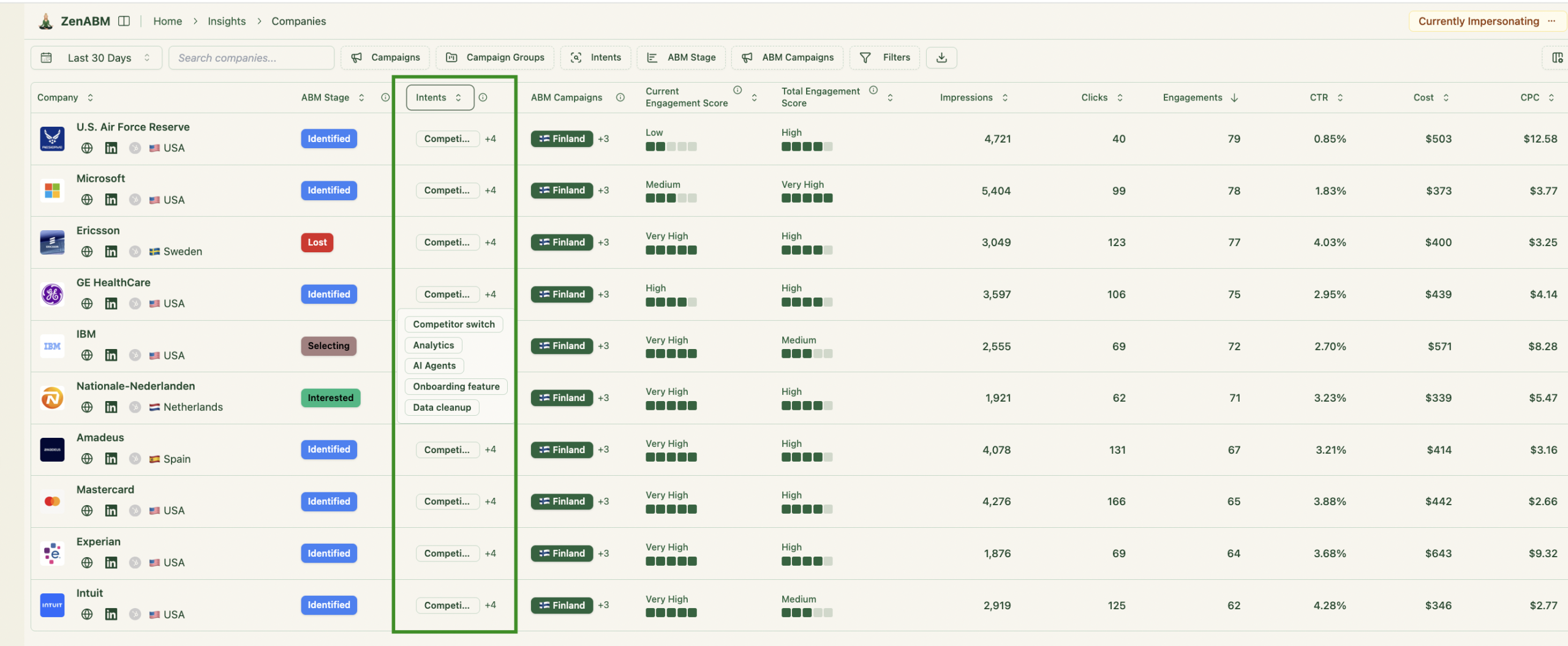
Pro Tip: Third-party keyword surge can surface early curiosity, but it can also be noisy. ZenABM takes a first-party route by tracking how specific companies engage with your LinkedIn ads down to each ad creative. You can tag campaigns by theme (e.g. Feature A vs. Feature B), and ZenABM will group companies showing interest in each message. That means the signal includes both “who” and “what they engaged with,” which supports more targeted follow-up.
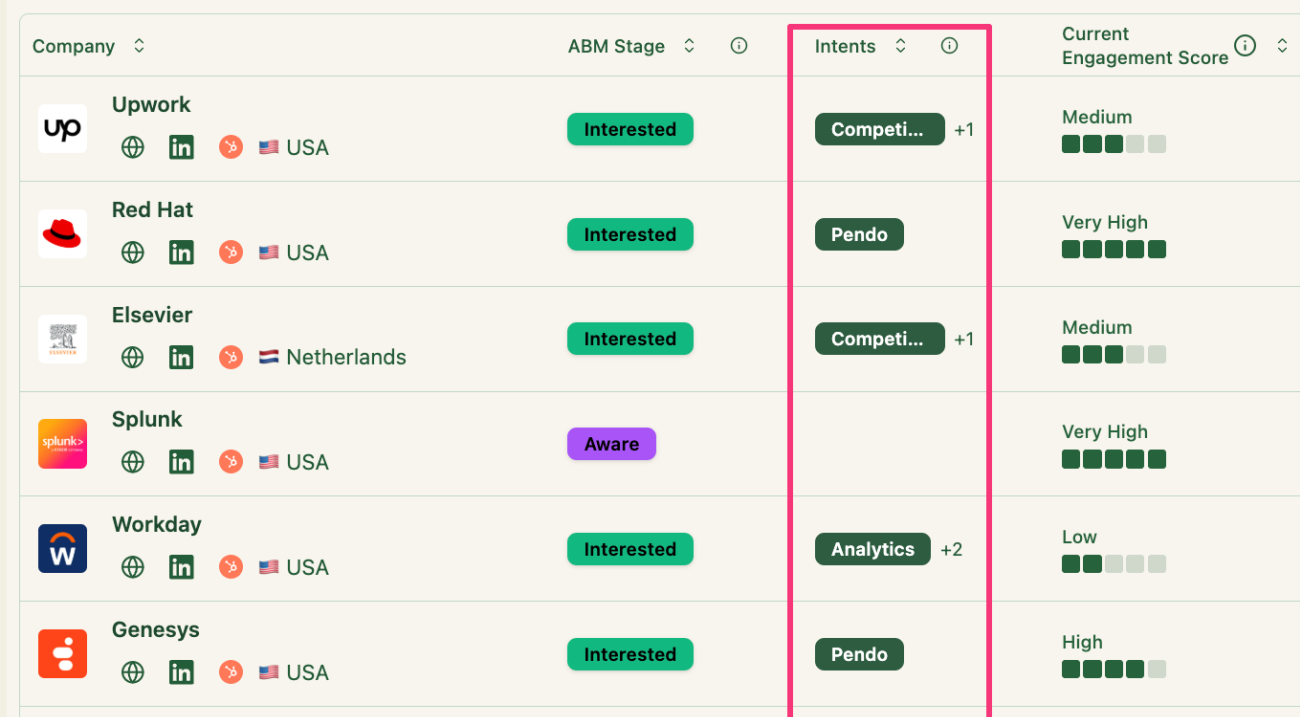
N.Rich includes an advertising module positioned for account-based programmatic activation.
This is one of the differentiating N.Rich features: you can activate account segments into programmatic placements, then evaluate engagement signals beyond just “impressions.”
In practice, teams use this to keep spend focused on high-fit accounts, run always-on awareness, and coordinate with other channels (like LinkedIn) for retargeting and sequencing.
As with most ABM execution tools, it gets smoother after setup, but it still needs ops discipline: list governance, naming conventions, audience rules, and CRM alignment.

N.Rich offers account-level analytics designed to connect engagement to pipeline outcomes.

N.Rich also supports sales velocity style reporting, which pushes attention toward accounts that appear more likely to convert faster based on historical deal patterns.

Depending on your setup and plan, some of these insights can be synced into your CRM so reps see context where they work.
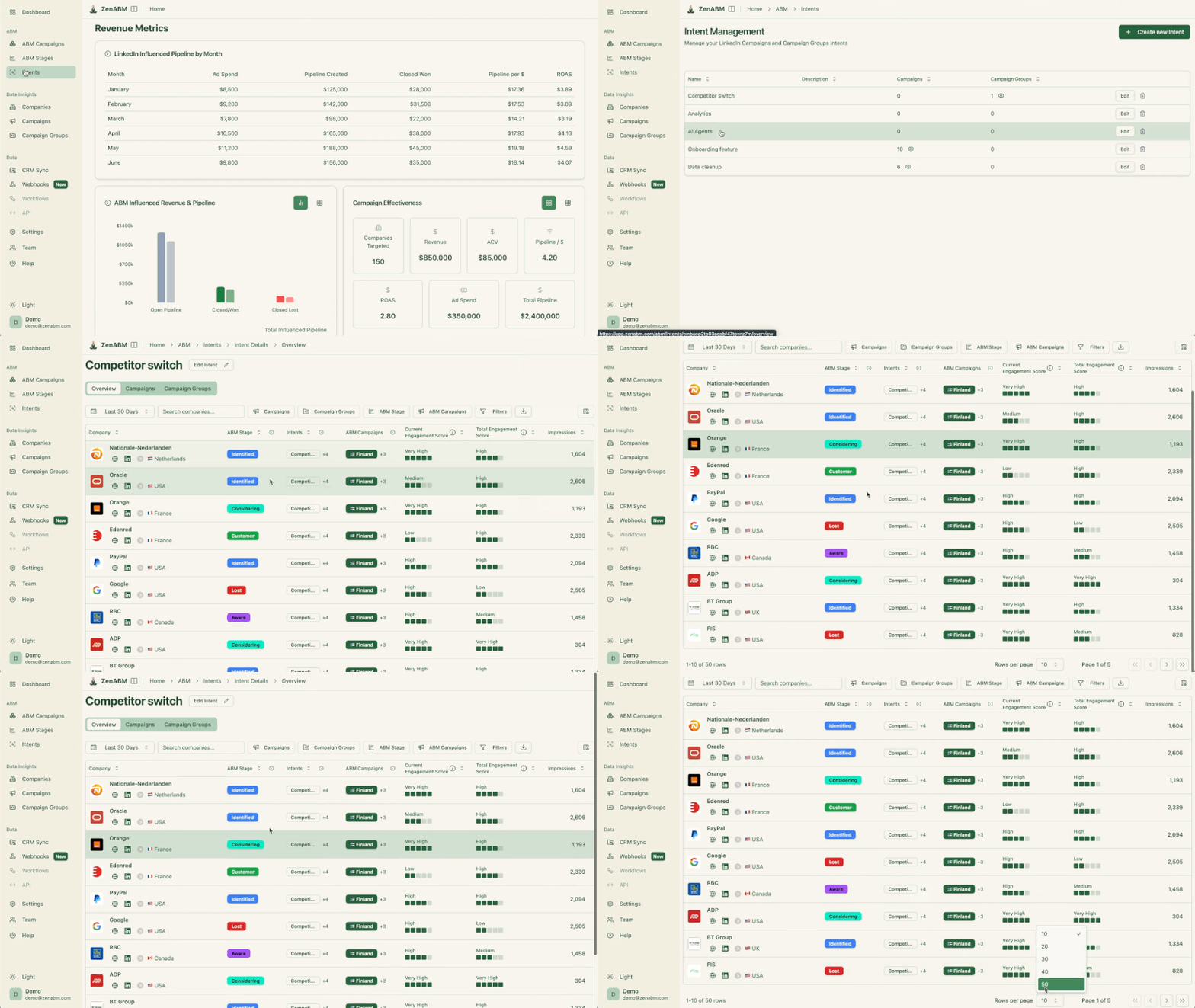
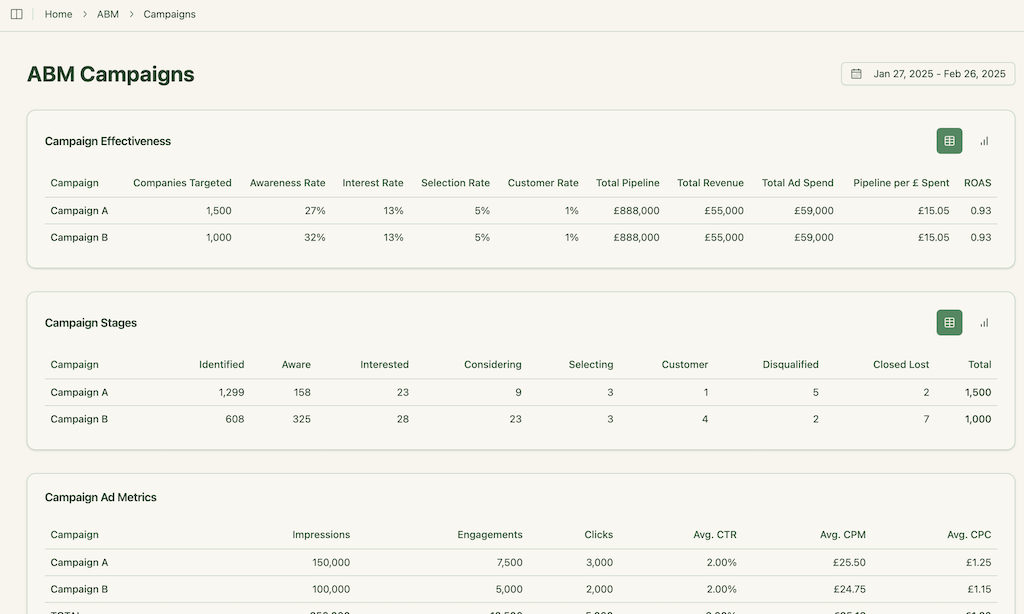
ZenABM, too, provides LinkedIn-first analytics and pipeline reporting for account-based programs:

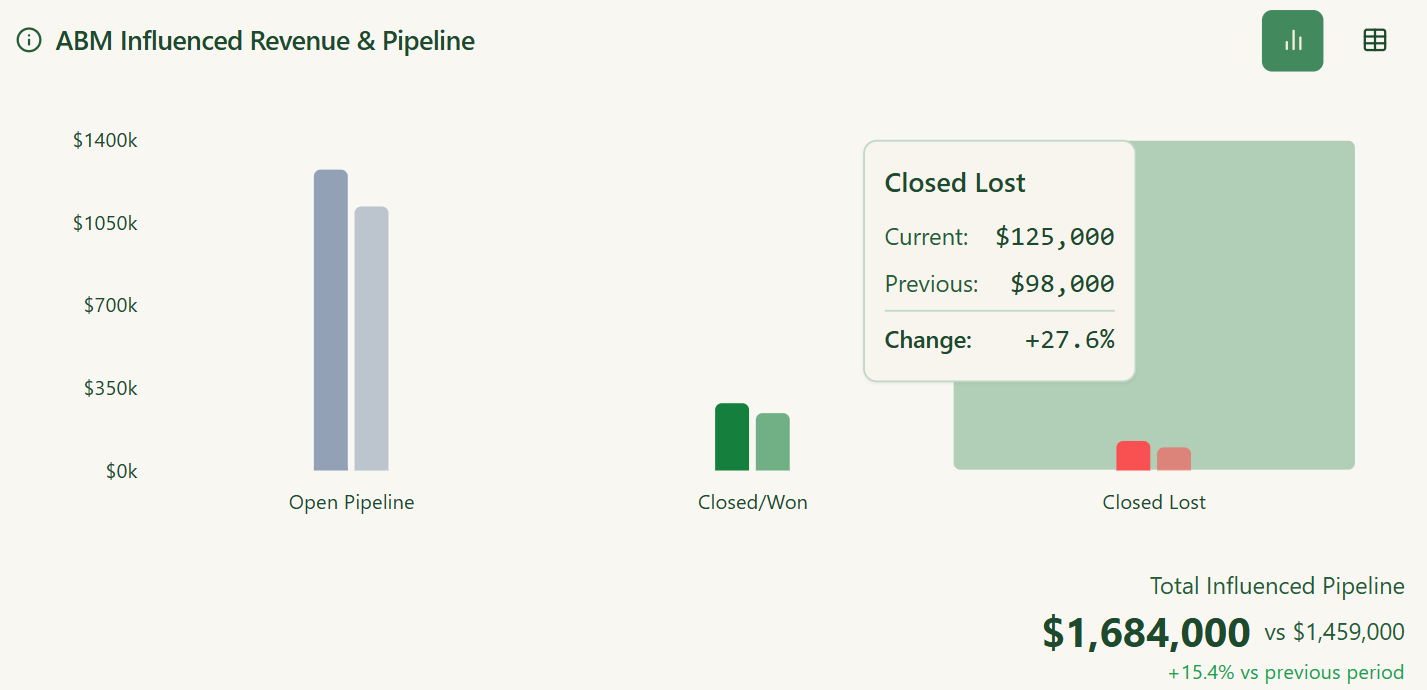
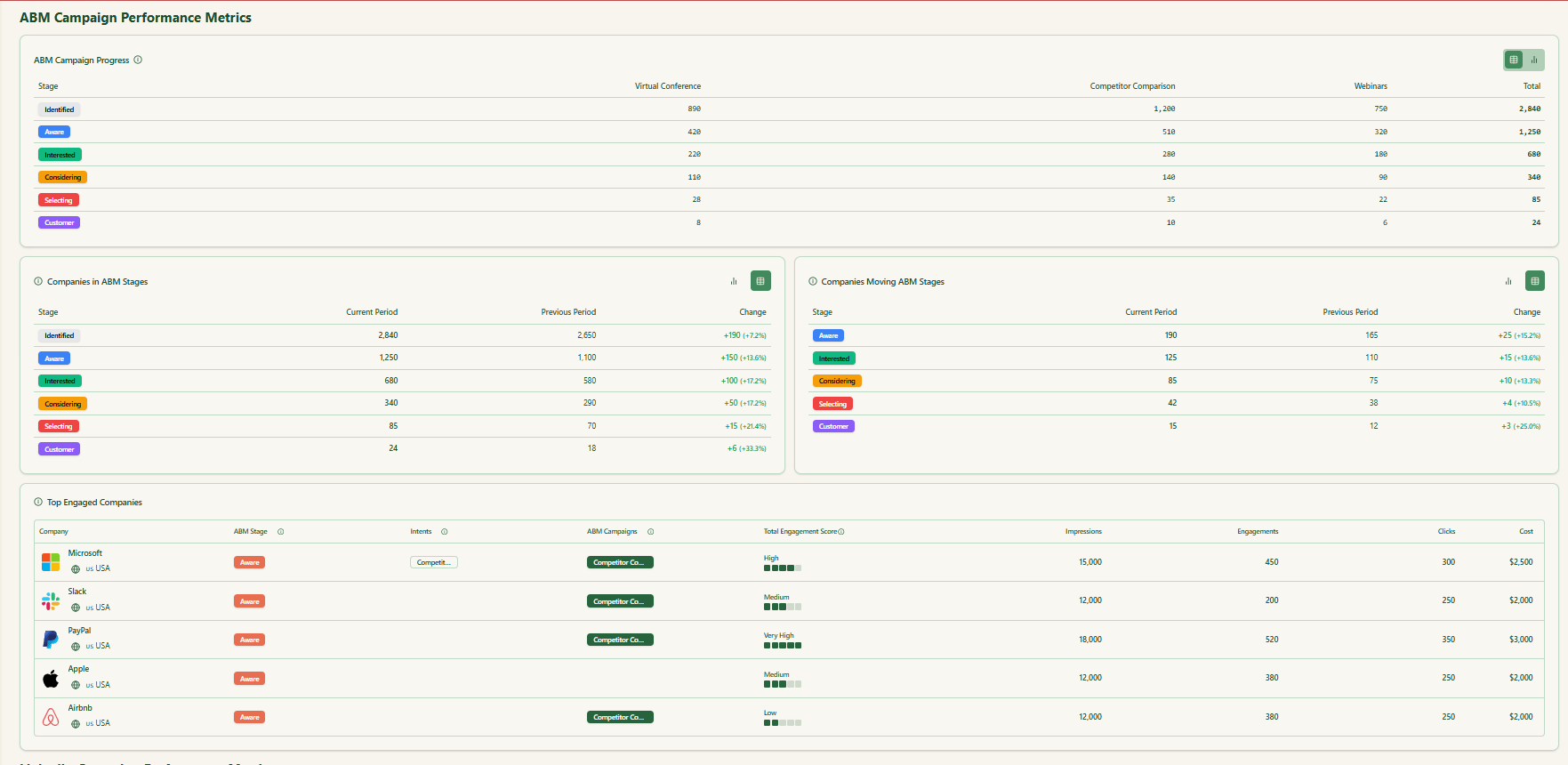
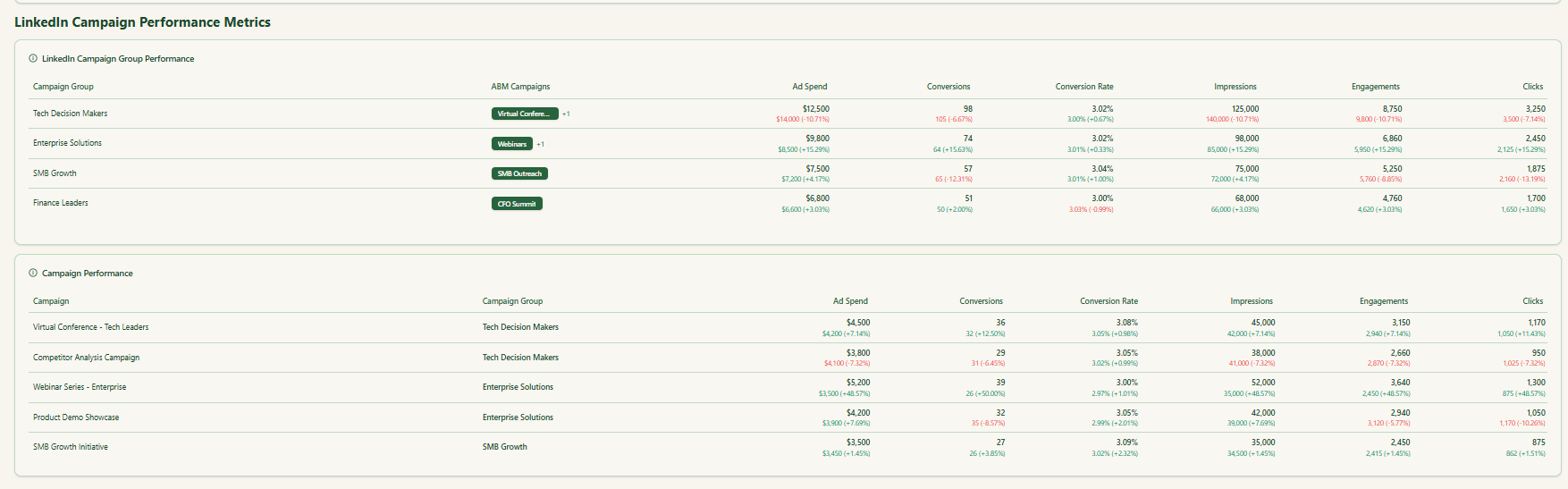
N.Rich integrates with major CRMs and common marketing systems so it can both ingest pipeline context and push account insights back into execution workflows.
Common integrations include Salesforce and HubSpot, plus audience sync and activation patterns for paid media workflows.
ZenABM, too, integrates bidirectionally with CRMs such as HubSpot (Salesforce available on higher plans).
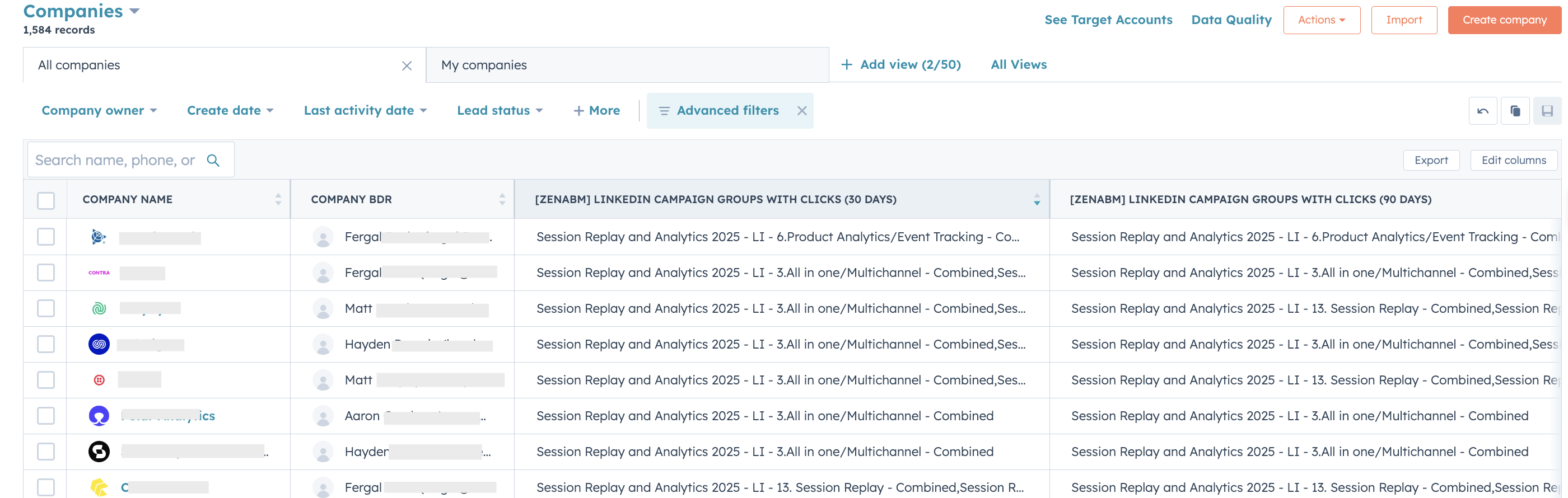
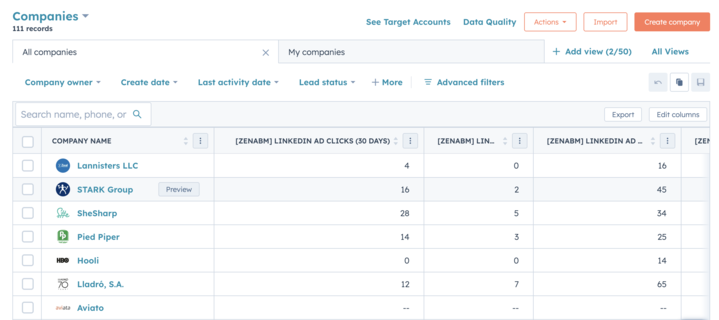
ZenABM pushes LinkedIn engagement data directly into your CRM as company properties, keeping sales teams informed:
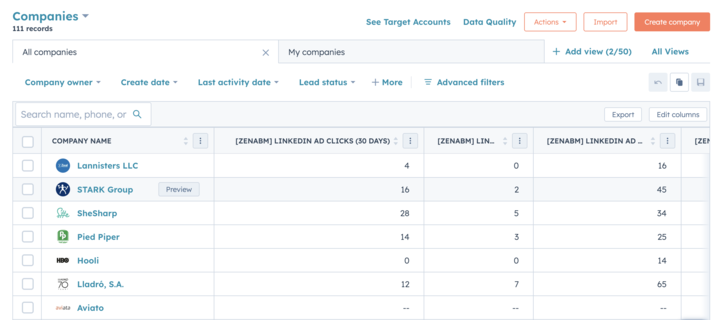
ZenABM can also auto-update account stages to “Interested” when engagement passes a set threshold and assign accounts to specific BDRs for follow-up.
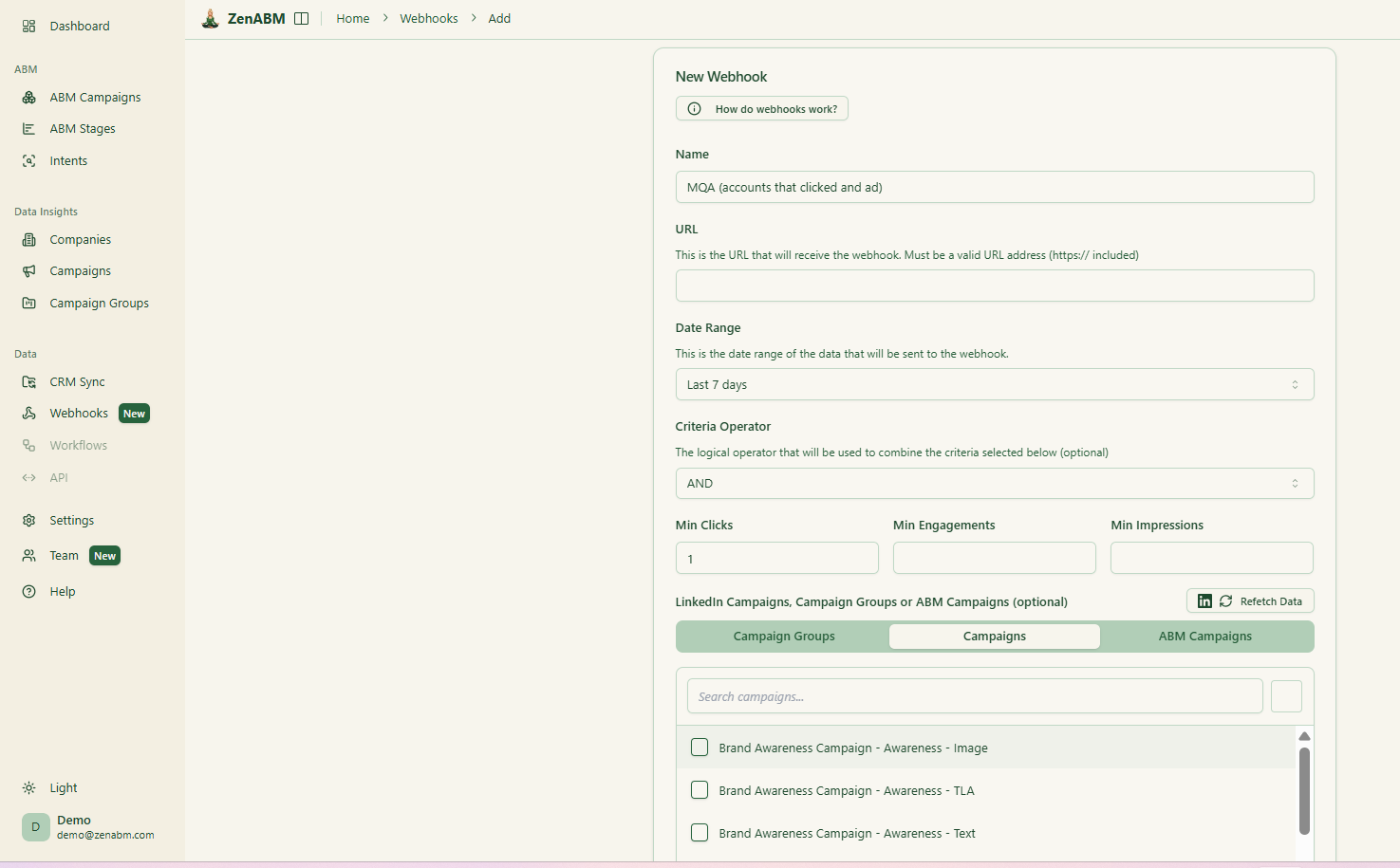
Also, ZenABM’s custom webhooks let you build integrations with the other tools in your stack, for example, Slack alerts, enrichment flows, or other ops automations.

N.Rich publishes tiered pricing and presents its plans as subscription-based.
For smaller revenue teams that want intent scoring and account analytics as a starting point.
Includes: 1 Intent Report and 10 Intent Topics; 1 Marketing user seat and 3 Sales user seats; 1 N.Rich account; 1 ABM campaign; chat support
Core features:
Designed for growing teams that need deeper attribution workflows and integrations.
Includes everything in LITE, plus:
For teams that want broader automation, predictive signals, and deeper execution support.
Includes everything in GROWTH, plus:
Note: N.Rich’s site shows a one-time onboarding fee, but the exact amount can vary across different pricing elements shown publicly. Treat onboarding as a quoted line item and validate it during purchase.
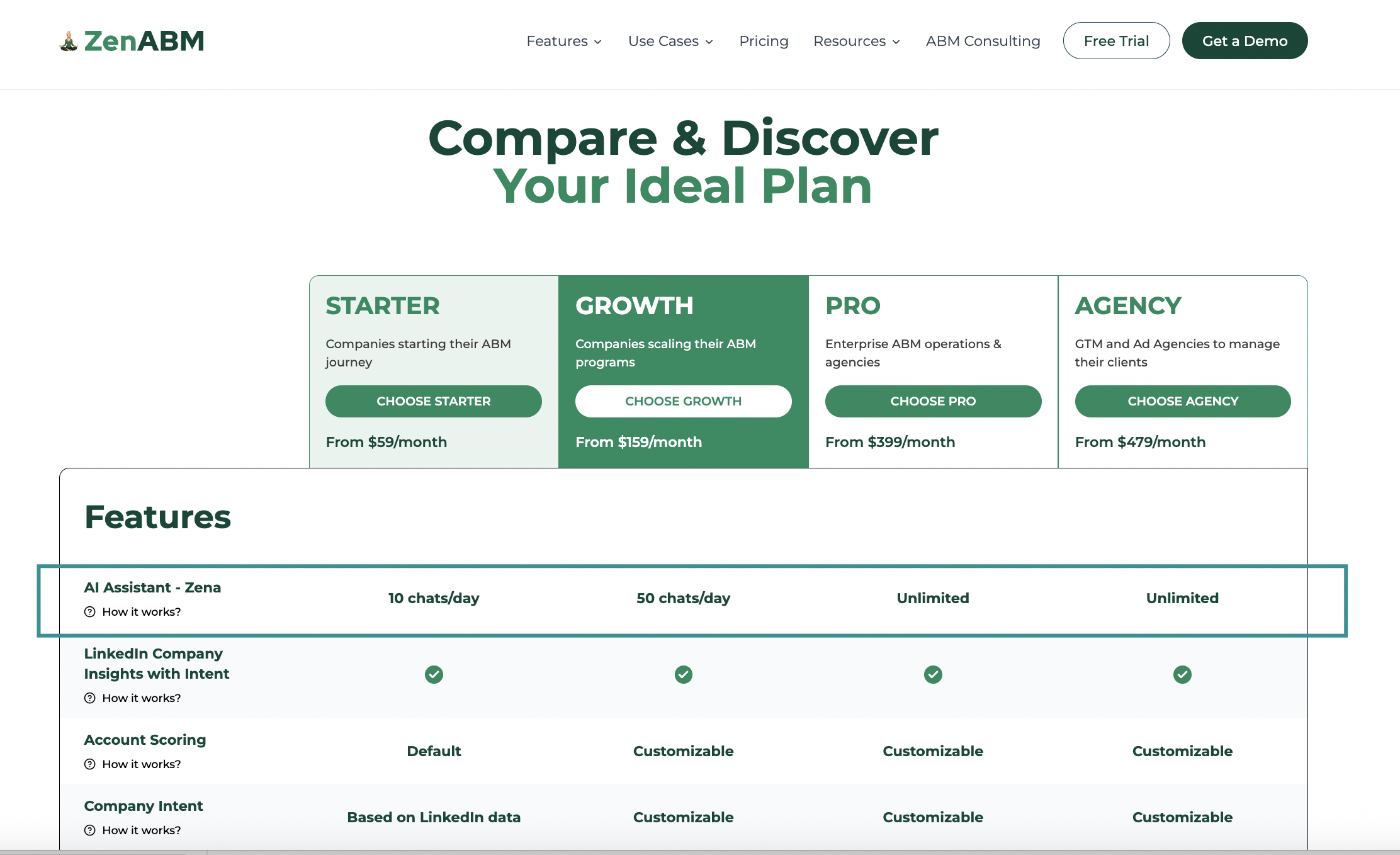
Also, considering the entry price starts above $10K/year, ZenABM is often a smarter alternative for LinkedIn-first teams, starting at $59/month. You still get the core execution needs for LinkedIn ABM: account-level ad engagement tracking, account scoring, ABM stage tracking, BDR assignment, bi-directional CRM sync, custom webhooks, qualitative intent tracking, and plug-and-play ROI dashboards.

N.Rich is rated around 4.7 out of 5 on G2, with review volume around ~100+ reviews depending on how G2 groups listings and product variants.

Here’s what user feedback commonly highlights:


One alternative to N.Rich is ZenABM.
ZenABM is built specifically for LinkedIn ABM. That makes it a strong primary platform if your ABM execution is mostly LinkedIn, and a clean complementary layer if you use a broader suite but still want first-party LinkedIn engagement data, stage tracking, and revenue dashboards.
Let’s look at those features:
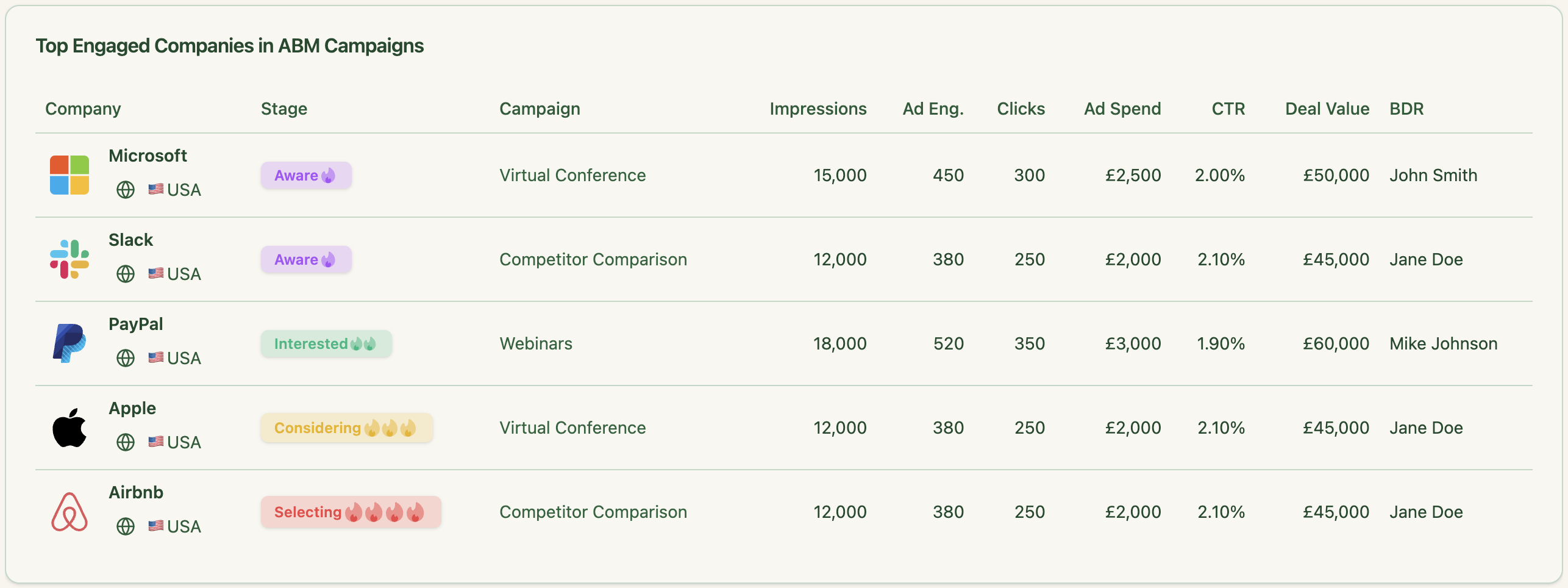
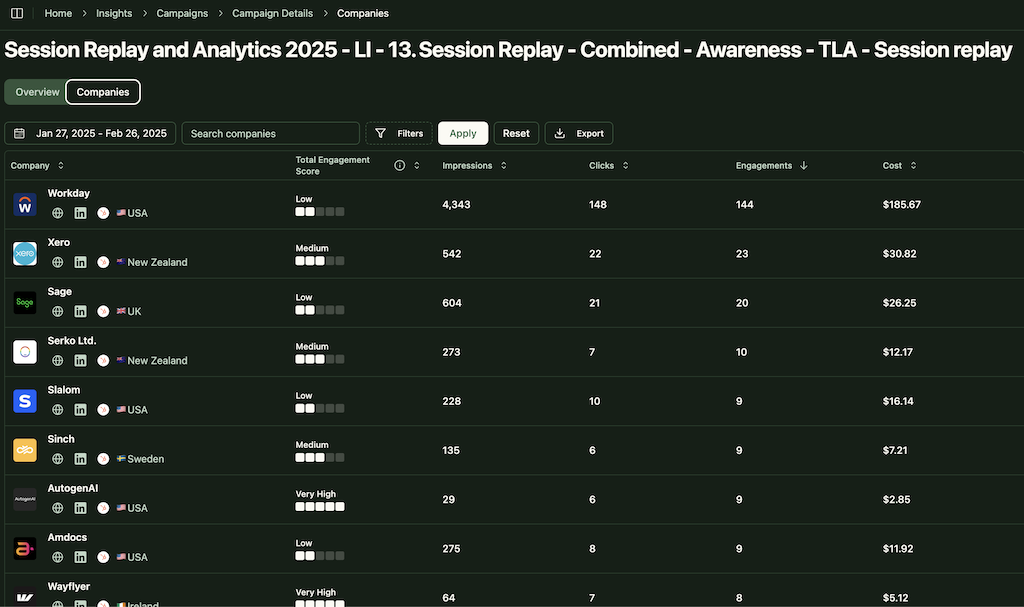
ZenABM connects to the official LinkedIn Ads API and captures account-level data for all campaigns.
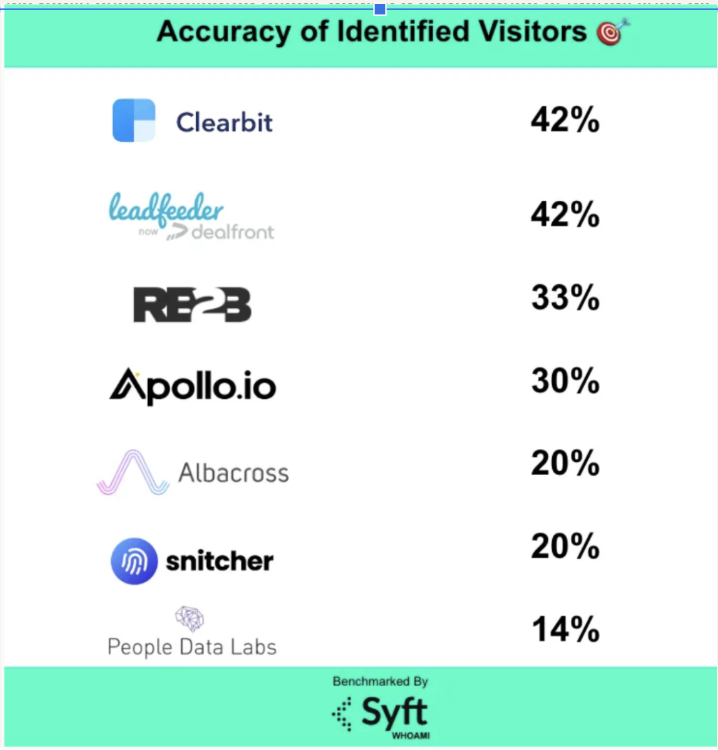
Because this is first-party data from LinkedIn, it is more reliable than IP or cookie-based visitor identification. A Syft analysis puts IP-based identification at around 42 percent accuracy.
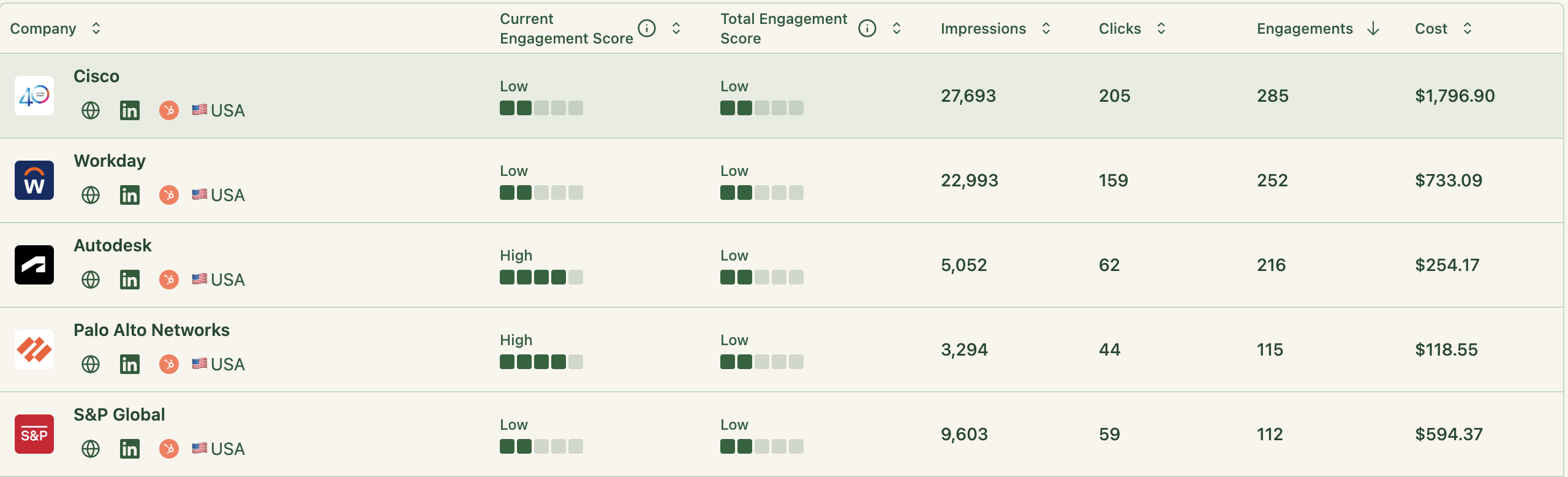
ZenABM updates engagement scores as accounts interact with your ads, so teams can prioritize accounts that show real intent.
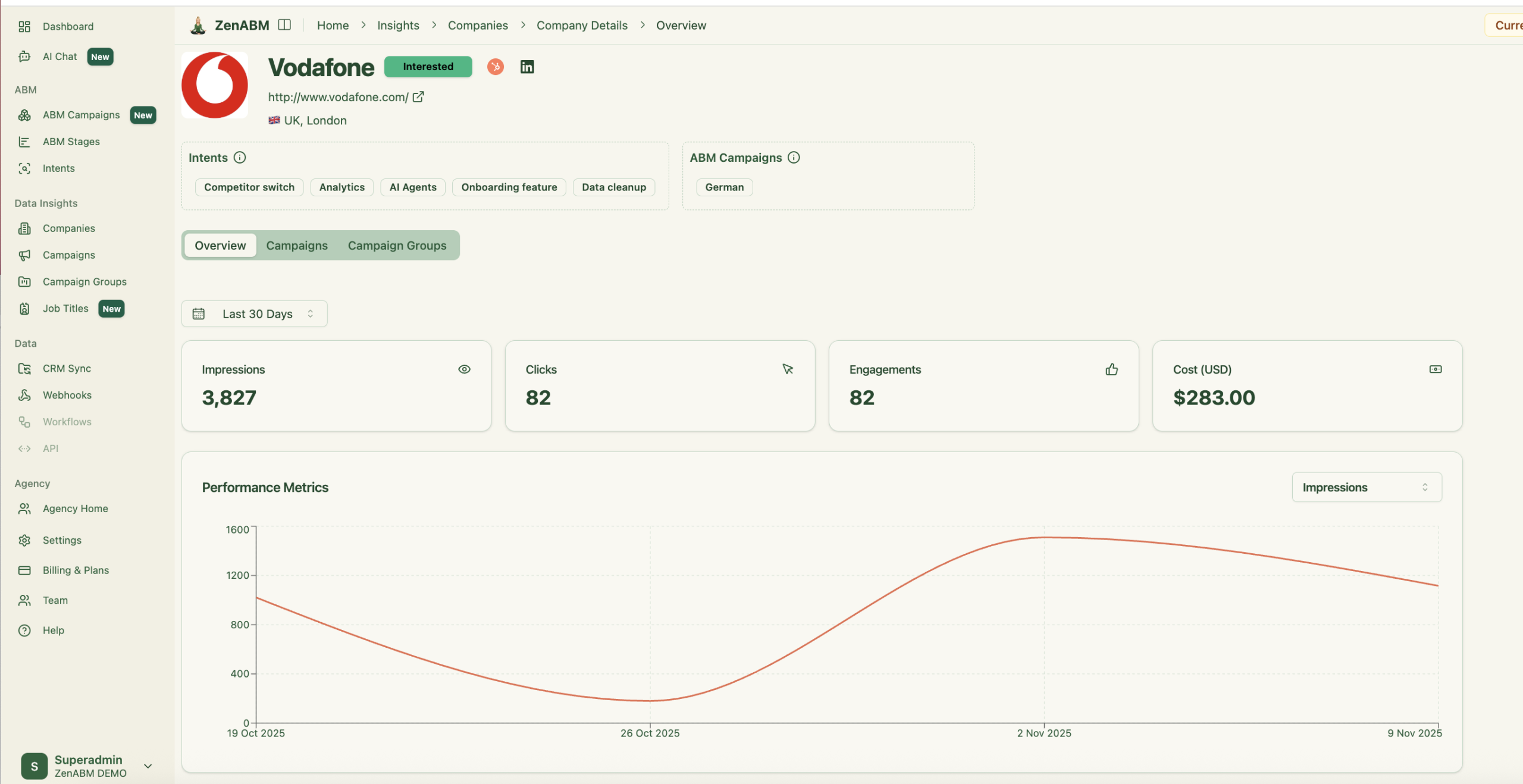
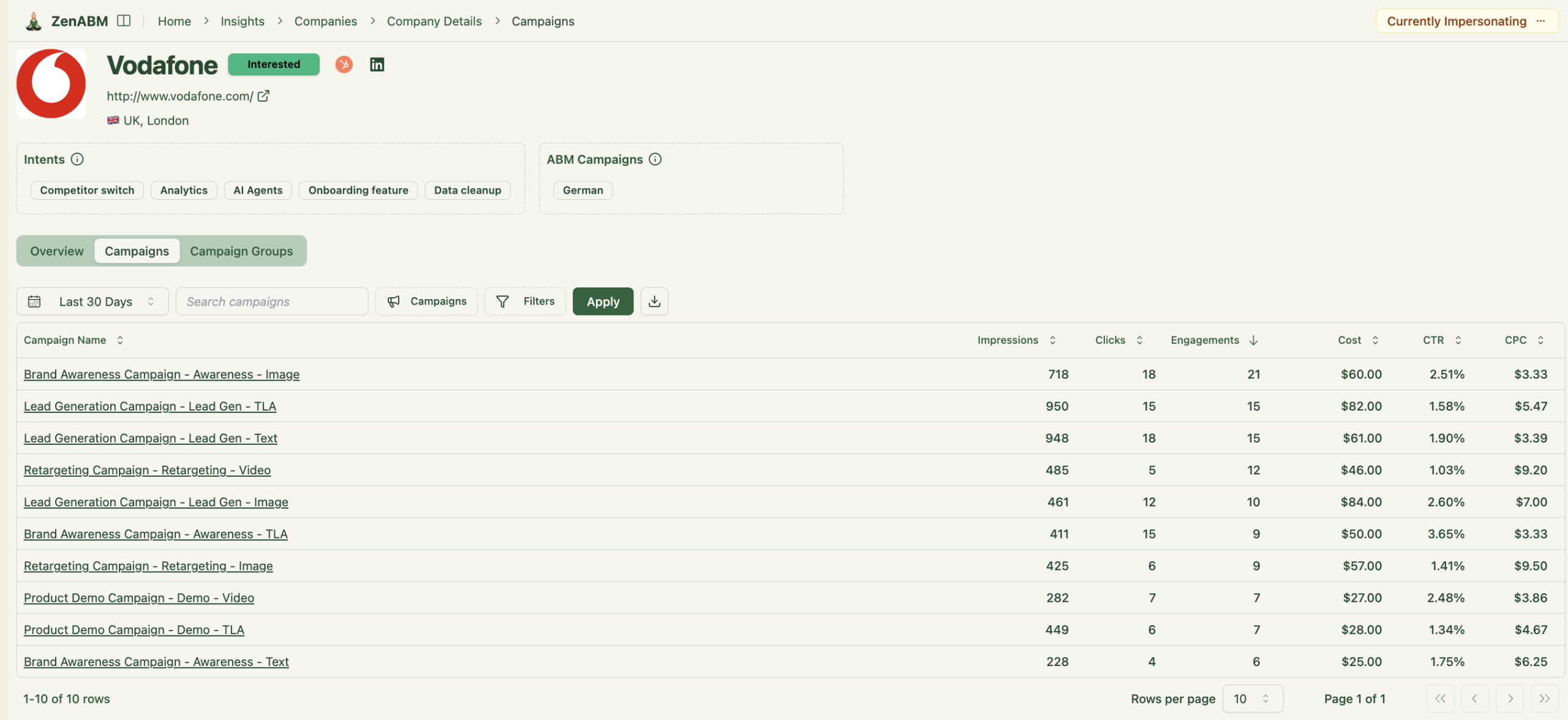
ZenABM also shows the full touchpoint timeline for each company:
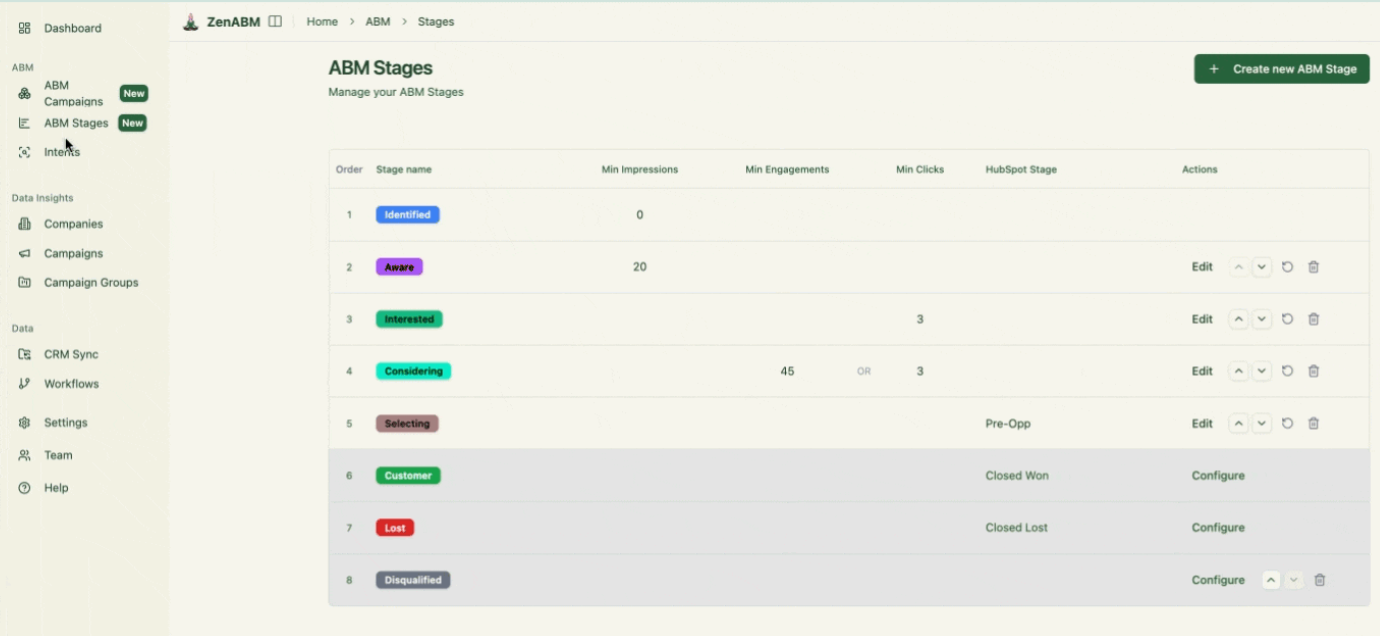
ZenABM lets you define stages such as Identified, Aware, Engaged, Interested, and Opportunity and automatically places accounts in the right stage using scores and CRM context.
ZenABM integrates bi-directionally with CRMs like HubSpot and adds Salesforce sync on higher tiers.
LinkedIn engagement data flows into the CRM as company-level properties:
ZenABM pricing details:
N.Rich is best understood as an account-based GTM platform that combines intent signals, dynamic ICP building, programmatic ABM advertising, and account-level analytics into one execution workflow.
It fits teams that want multi-channel ABM activation, have the operational capacity to implement and govern the system, and need account-level reporting that supports pipeline narratives.
If your ABM execution is primarily LinkedIn and the core requirement is first-party engagement, account scoring, CRM-ready activation, and plug-and-play reporting, a leaner LinkedIn-first layer like ZenABM is often faster to implement and lower overhead.
Give ZenABM a try for free now or book a demo to know more!
N.Rich features include dynamic ICP modeling from CRM opportunity data, intent topics and account scoring, account list building and segmentation, programmatic ABM advertising activation, opportunity influence analytics, and CRM/marketing automation integrations.
N.Rich is used to prioritize high-fit accounts, activate them through account-based advertising, and track account engagement with analytics that can be tied to opportunity and pipeline outcomes. It is typically positioned as an execution and measurement layer for ABM.
Yes. N.Rich can be used alongside LinkedIn Ads, including syncing audiences and using ICP or intent changes to keep matched audiences updated. Many teams combine programmatic engagement with LinkedIn retargeting for coordinated plays.
N.Rich blends first-party signals (depending on implementation) with third-party intent sources and predictive intent (higher tiers) to identify buying signals across topics relevant to your category and competitors.
N.Rich supports CRM integrations including Salesforce and HubSpot. These integrations can pull opportunity data for ICP modeling and influence reporting, and push account-level intent or engagement insights back into the CRM.
Users commonly describe N.Rich as intuitive once configured, but with an initial onboarding and setup curve. Teams typically need time to configure segments, intent reports, workflows, and CRM connections before it becomes operationally smooth.
N.Rich provides formal privacy and compliance resources and describes consent and legal basis handling in its privacy documentation. Teams still need correct consent implementation on their own site to align with their internal legal standards.
Not entirely. N.Rich focuses on ABM advertising, intent, segmentation, and reporting. Most teams still run lifecycle automation in tools like HubSpot or Marketo, with N.Rich operating as the execution and intelligence layer.
N.Rich is typically best for mid-market and enterprise B2B revenue teams running multi-channel ABM who want programmatic activation plus intent scoring and account-level reporting. If your motion is mainly LinkedIn-based or you want a lighter, faster-to-implement stack, ZenABM can offer better value.
