 AI for ABM & LinkedIn Ads Week28 Sep – 2 Oct · Reserve your seatAI for ABM & LinkedIn Ads Week · 28 Sep – 2 Oct · Reserve your seat
 AI for ABM & LinkedIn Ads Week28 Sep – 2 Oct · Reserve your seatAI for ABM & LinkedIn Ads Week · 28 Sep – 2 Oct · Reserve your seat
Madison Logic is a B2B intent and activation platform built to help you identify in-market accounts, reach them through paid and content channels, and measure ABM performance across media.
It delivers value by combining buyer intent signals, audience activation, and reporting into one workflow, so teams can go from “who’s in-market?” to “run the plays” faster.
That makes Madison Logic powerful, but not enough.
Most ABM teams will still need either alternatives or complementary tools, depending on what Madison Logic doesn’t fully cover (for example: LinkedIn-first account-level ad visibility, CRM-native routing, deep multi-touch attribution, or enterprise-grade orchestration across every system).
In this comprehensive guide, I’ll walk you through the top 8 Madison Logic alternatives for B2B account-based marketing, so you can choose your fit.
Here’s an overview of the top Madison Logic alternatives and what they bring to the table:
| Tool | Category | Starting Price | Core Strength | Best For |
|---|---|---|---|---|
| ZenABM | ABM intent, engagement analytics, CRM activation (LinkedIn-first, lean tool) | $59/mo | Company-level LinkedIn ad engagement + real-time intent scoring + CRM sync + closed-loop attribution + AI assistance + persona-level deanonymization | Teams that want actionable LinkedIn-first ABM insights leading to sales action and ROI proof (not just broad intent activation) |
| Bombora | Third-Party Intent Data | Not public (custom) | Company-level topic surges that help prioritize accounts showing research intent | Teams that want a dedicated intent feed to power targeting, outbound prioritization, and ABM plays across their existing stack |
| 6sense | Full AI-Driven ABM Suite | Mid five figures/yr | AI “in-market” account detection + multi-channel orchestration + deep analytics | Large B2B organizations seeking an enterprise ABM engine (with budget and resources to match) |
| Demandbase One | All-in-One ABM Platform | ~$60k+/yr | Unified ads, web personalization, sales intelligence, and attribution in one suite | Teams that want a comprehensive ABM platform (and can invest heavily to replace multiple point tools) |
| Terminus | ABM Platform (Advertising + Measurement + Sales Enablement) | Not public (custom) | Account-based advertising + account engagement measurement + sales visibility in one platform | Teams that want a broader ABM operating layer with ads, engagement, and reporting (often as a suite) |
| N.Rich | ABM Advertising & Intent Platform | ~$10k/yr | Turns first & third-party intent data into targeted display and LinkedIn ad campaigns | Teams that need to run programmatic ABM campaigns at scale and have the ops muscle (beyond just intent feeds) |
| RollWorks | ABM Advertising & Retargeting | $975/mo | Easy account targeting and retargeting across web & social, with account scoring | Small-to-mid teams that want to launch account-based ad campaigns quickly without enterprise complexity |
| Dreamdata | Revenue Attribution & Analytics | Free tier; Paid $750/mo+ | Multi-touch journey tracking and pipeline attribution across all marketing channels | Data-driven teams needing to prove ABM impact on revenue beyond basic engagement metrics |
Additionally, here are some quick recommendations based on your specific needs or situation:
| Your Situation | Recommended Tool | Why This Choice? |
|---|---|---|
| You like Madison Logic’s intent-to-activation approach, but you need an ABM suite that runs ads plus tracks account engagement and supports sales workflows. | Terminus or Demandbase One | Terminus and Demandbase are built as ABM suites, combining ads, engagement measurement, and sales visibility. Choose them when you want one vendor covering multiple ABM layers, not just intent plus activation. |
| Your top priority is turning LinkedIn ad engagement into CRM-ready intelligence (scores, stages, sales alerts) and plug-and-play ROI attribution, instead of relying primarily on third-party intent. | ZenABM | ZenABM focuses on capturing first-party LinkedIn Ads engagement at the account level and pushing those insights (intent scores, hot account alerts, campaign influence) into HubSpot or Salesforce. It’s purpose-built to convert engagement into sales action and pipeline proof. ZenABM, in fact, is the complete ABM suite for anyone advertiisng only on LinkedIn. |
| You need to identify in-market accounts at scale and predict who’s likely to buy, beyond your own website and campaigns. | 6sense | 6sense uses AI and third-party intent data to spot accounts researching your solution (even off your site), then scores and prioritizes them and can trigger orchestration playbooks. It’s ideal when you need that broad “radar” and automation layer. |
| You mostly want a third-party intent data feed to prioritize accounts and power targeting, while keeping execution in your existing tools. | Bombora | Bombora is commonly used as a dedicated company-intent layer. It helps you spot accounts surging on relevant topics, then you can activate that intent via LinkedIn, email, sales engagement, or your ABM platform of choice. |
| You want to prove multi-channel ABM ROI to the CFO, not just see engagement or intent scores. | Dreamdata or Demandbase | Dreamdata ties together every touch (ads, website, email, CRM) into a full revenue timeline, giving you credible attribution models and pipeline analytics. If you prefer an all-in-one that includes attribution plus execution, Demandbase One has robust analytics and attribution built in (at a much higher price). |
| You need a full-spectrum ABM suite (ads, web personalization, intent data, analytics) and have the budget to invest. | Demandbase One or 6sense | Demandbase One and 6sense are market-leading ABM platforms that cover end-to-end needs. Demandbase offers integrated ads, data, and personalization in one platform. 6sense provides predictive analytics, its own orchestration, and strong sales team integrations. |
Best Tip: If you want Madison Logic-style intent signals plus a more actionable, LinkedIn-first execution layer, consider a combo like ZenABM + Bombora. ZenABM handles first-party engagement and pipeline tracking, while Bombora adds an always-on third-party intent feed to broaden prioritization.
Now, let’s dive deeper into each alternative.

Best for: ABM teams that rely on LinkedIn and want to turn engagement into actionable intent and CRM updates (not just run broad intent activation).
Madison Logic’s strength is intent-driven activation, helping you find in-market accounts and distribute content or ads to reach them, then report on performance.
ZenABM, on the other hand, zeroes in on first-party LinkedIn engagement signals and turning those into revenue outcomes.
Here’s what ZenABM offers:
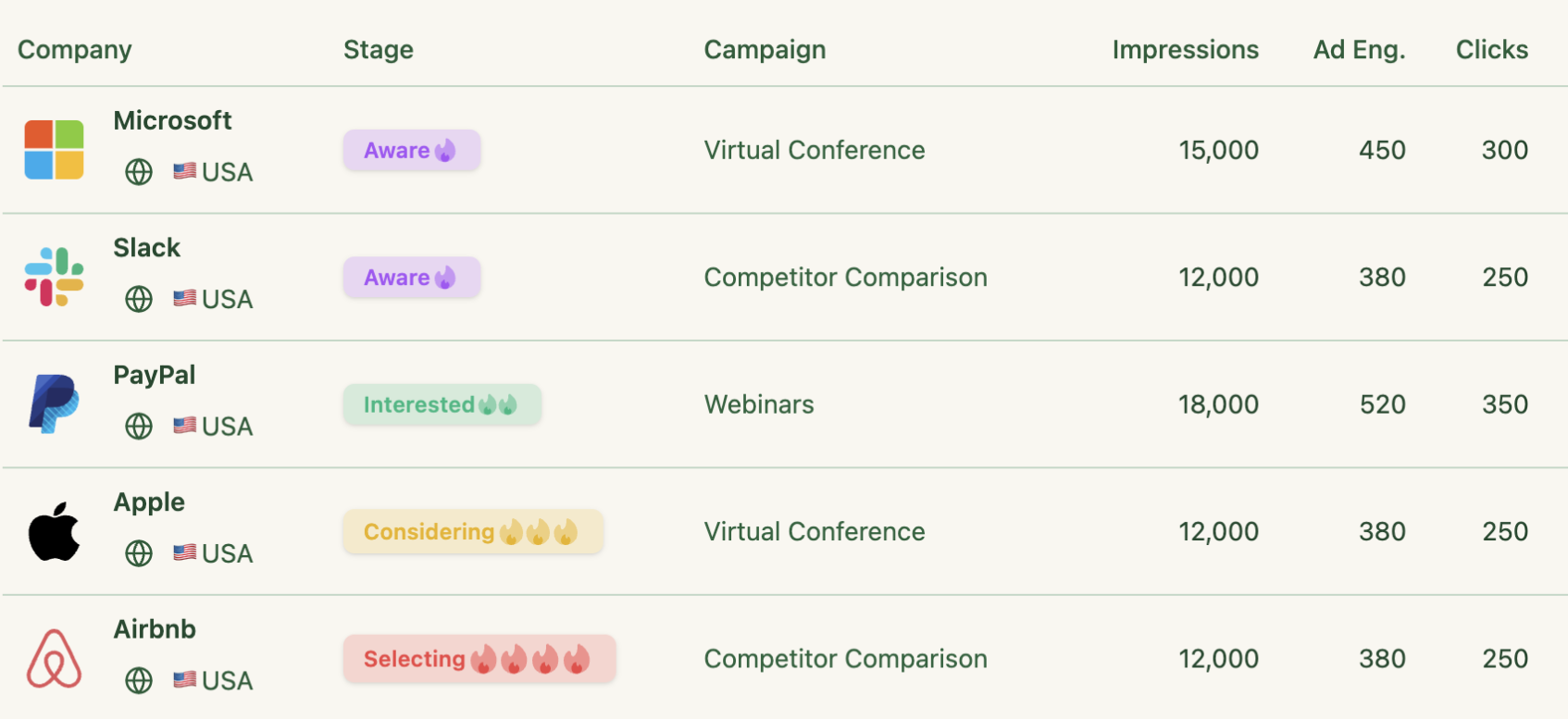
ZenABM de-anonymizes LinkedIn ad engagement at the account level, so you can see exactly which target accounts viewed or clicked your ads.
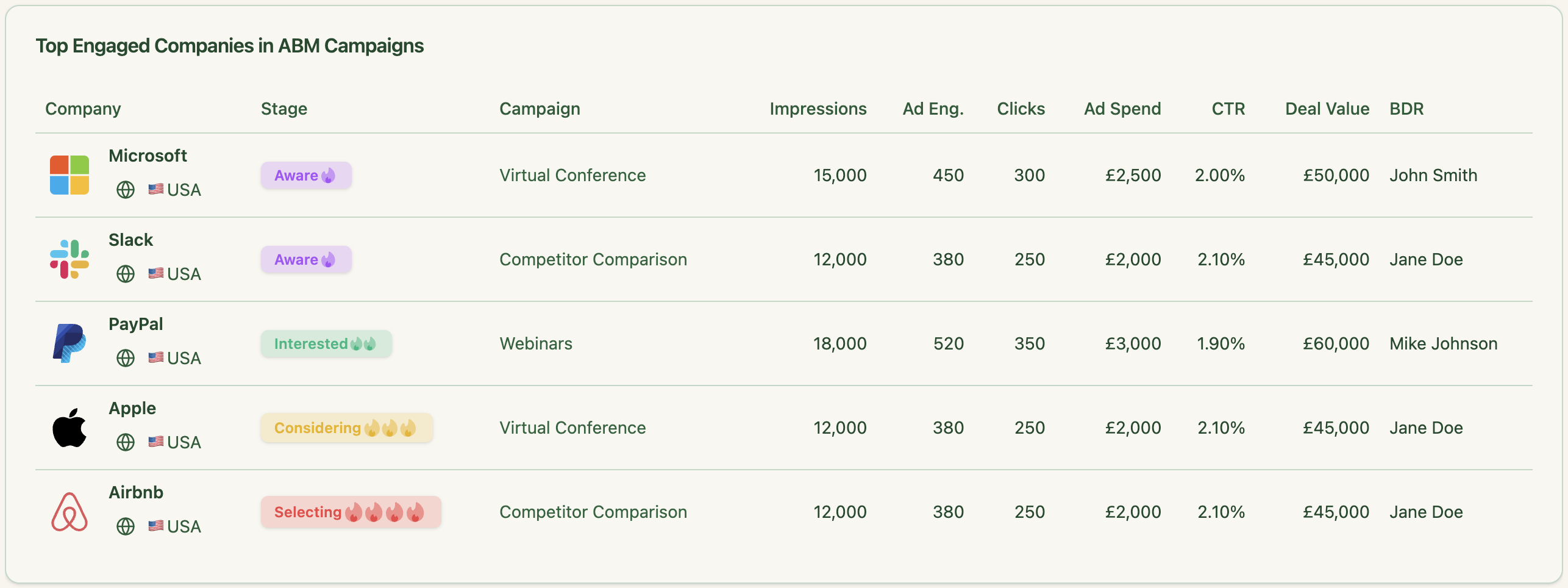
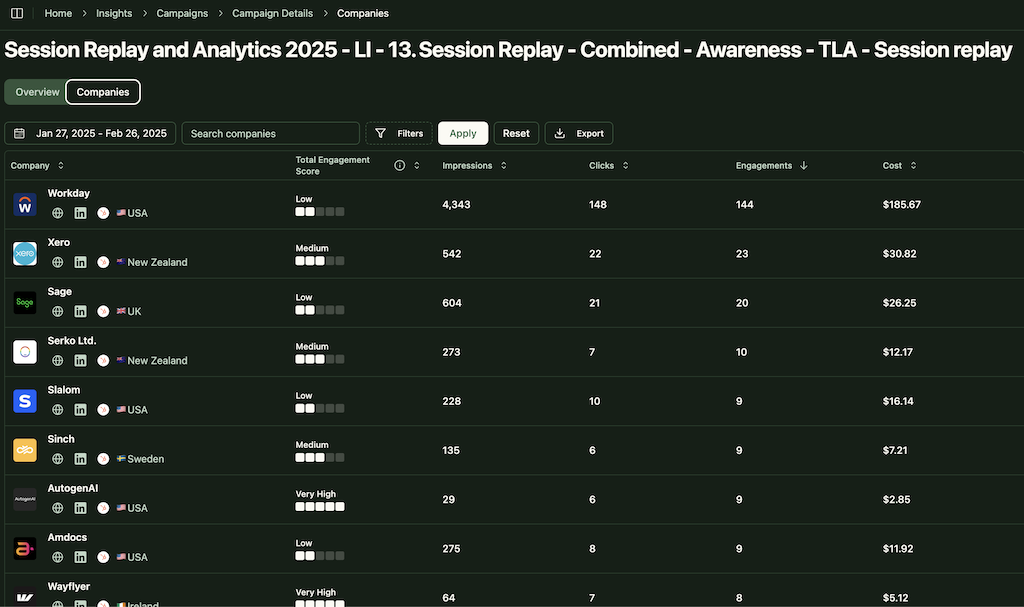
This data is pulled directly from the official LinkedIn Ads API.
You get first-party clarity on which companies view and engage with your ads, instead of relying on indirect matching and generic attribution timelines.
Multiple studies question IP-based identification.
A Syft study, for example, suggests accuracy often peaks around 42 percent. That’s why ZenABM treats ad engagement as the stronger intent signal, rather than anonymous website deanonymization that depends on third-party sources.
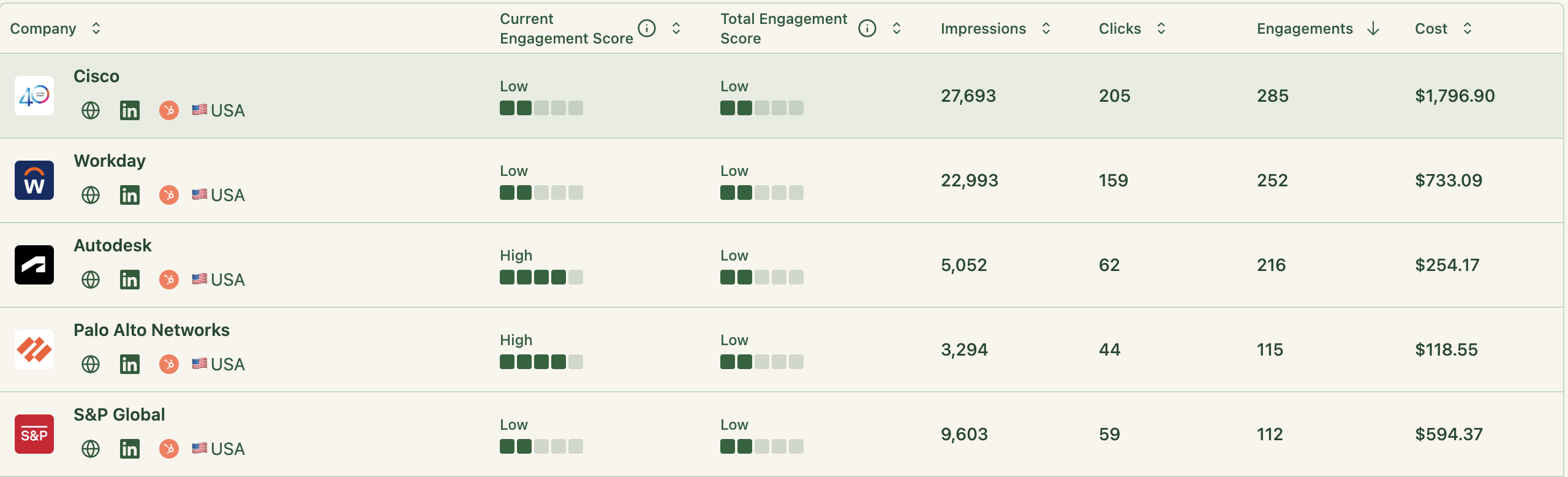
ZenABM updates engagement scores in real time as accounts interact with your ads.
You get a full touchpoint history and can define stages like Identified, Aware, Engaged, Interested, and Opportunity.
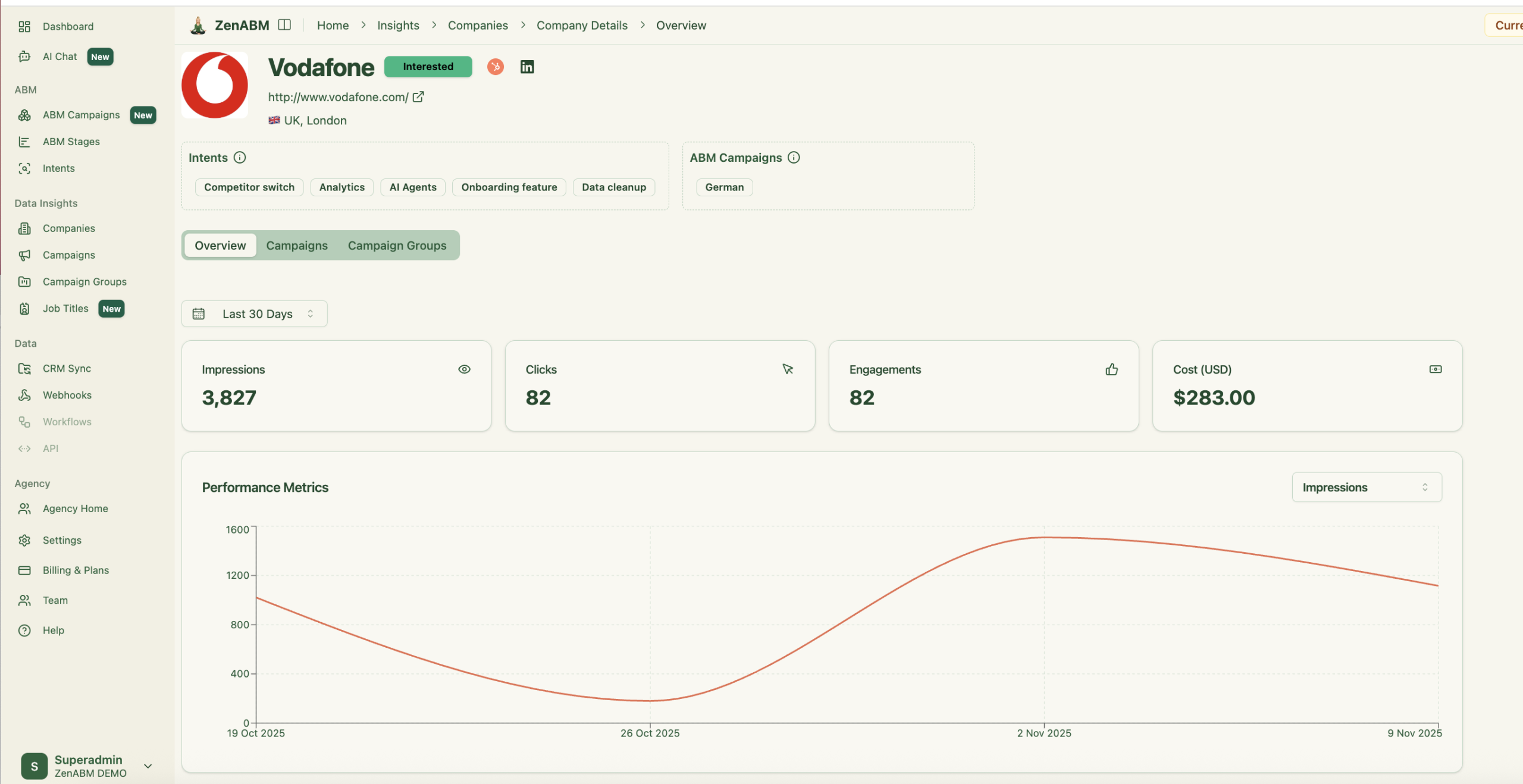
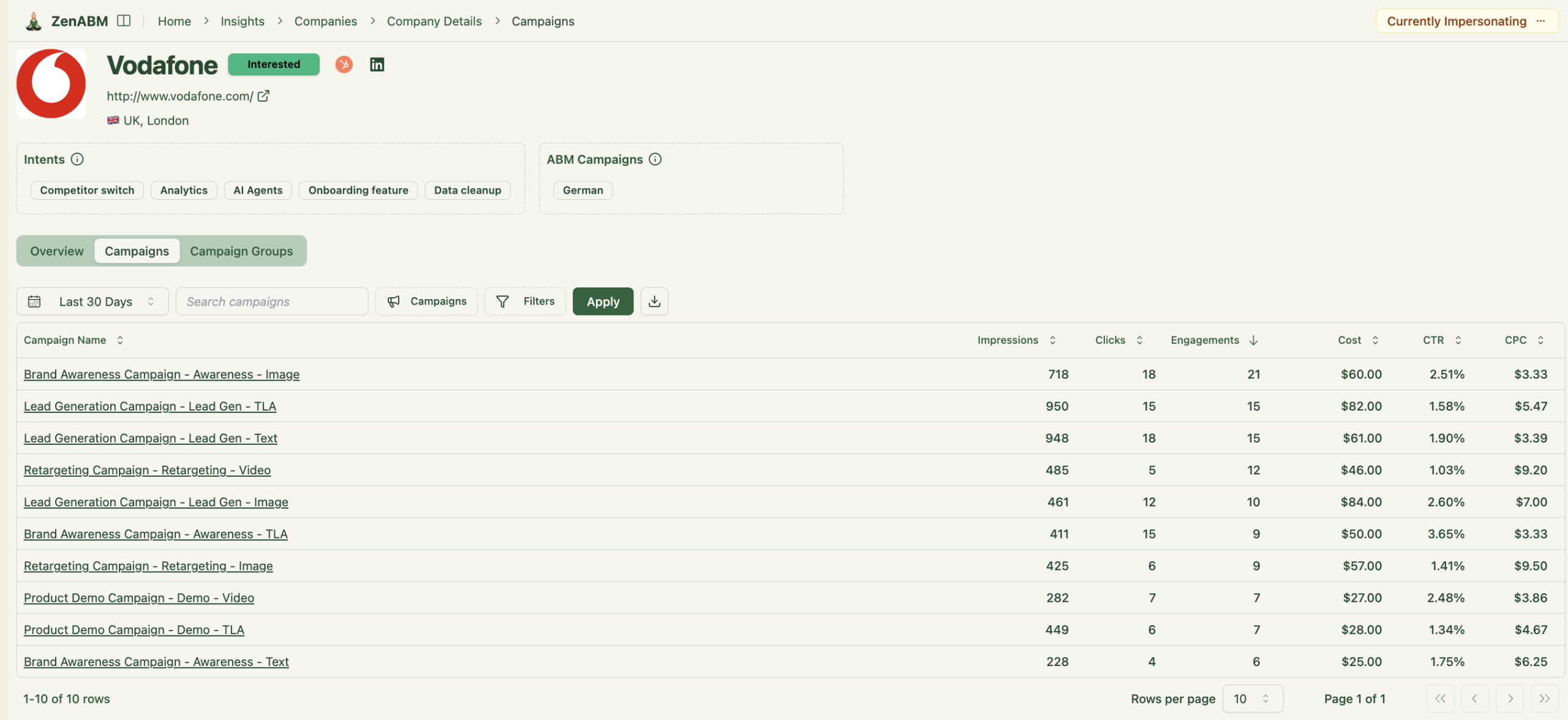
ZenABM also shows the full touchpoint timeline for each company:
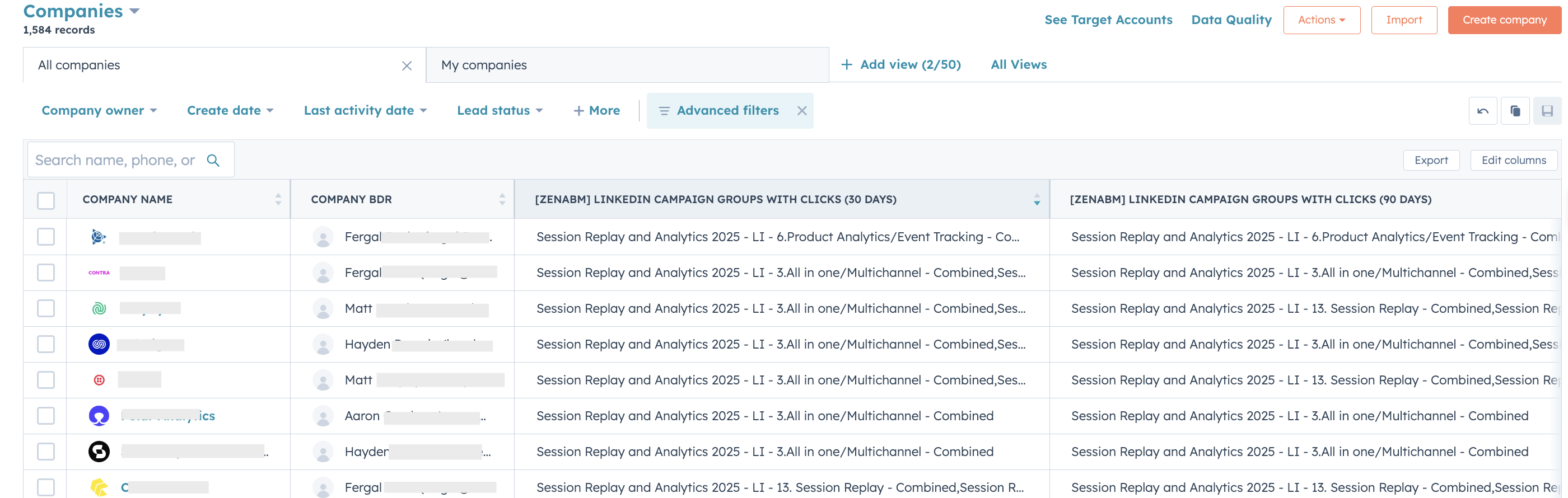
ZenABM syncs bi-directionally with HubSpot and supports Salesforce on higher plans. All LinkedIn metrics can be written as company properties in your CRM.
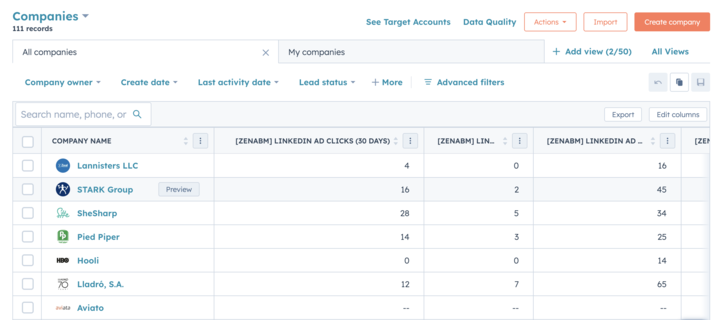
When an account crosses your scoring threshold, ZenABM can update its stage and auto-assign a BDR for timely outreach.
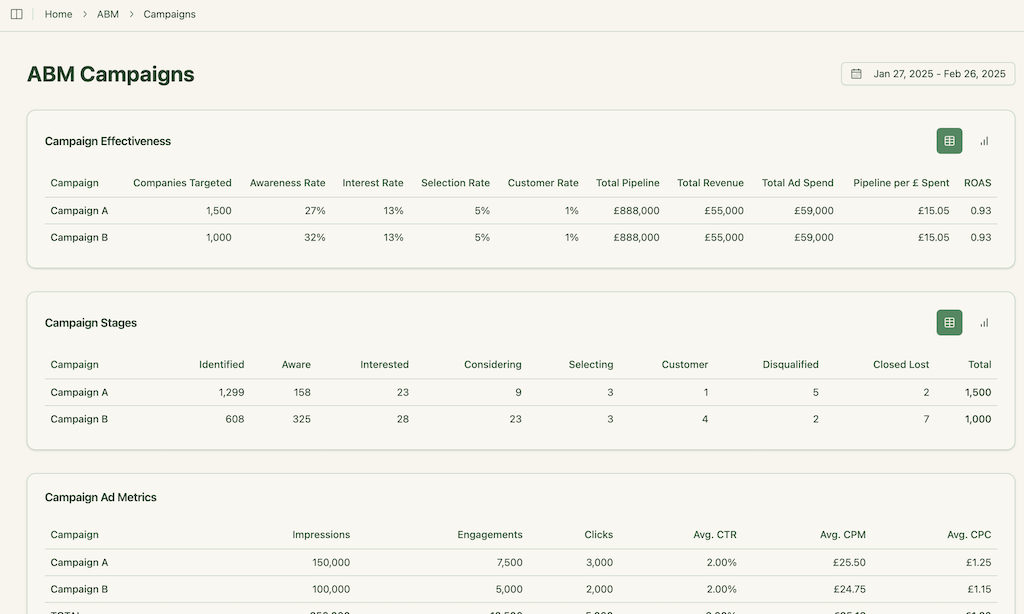
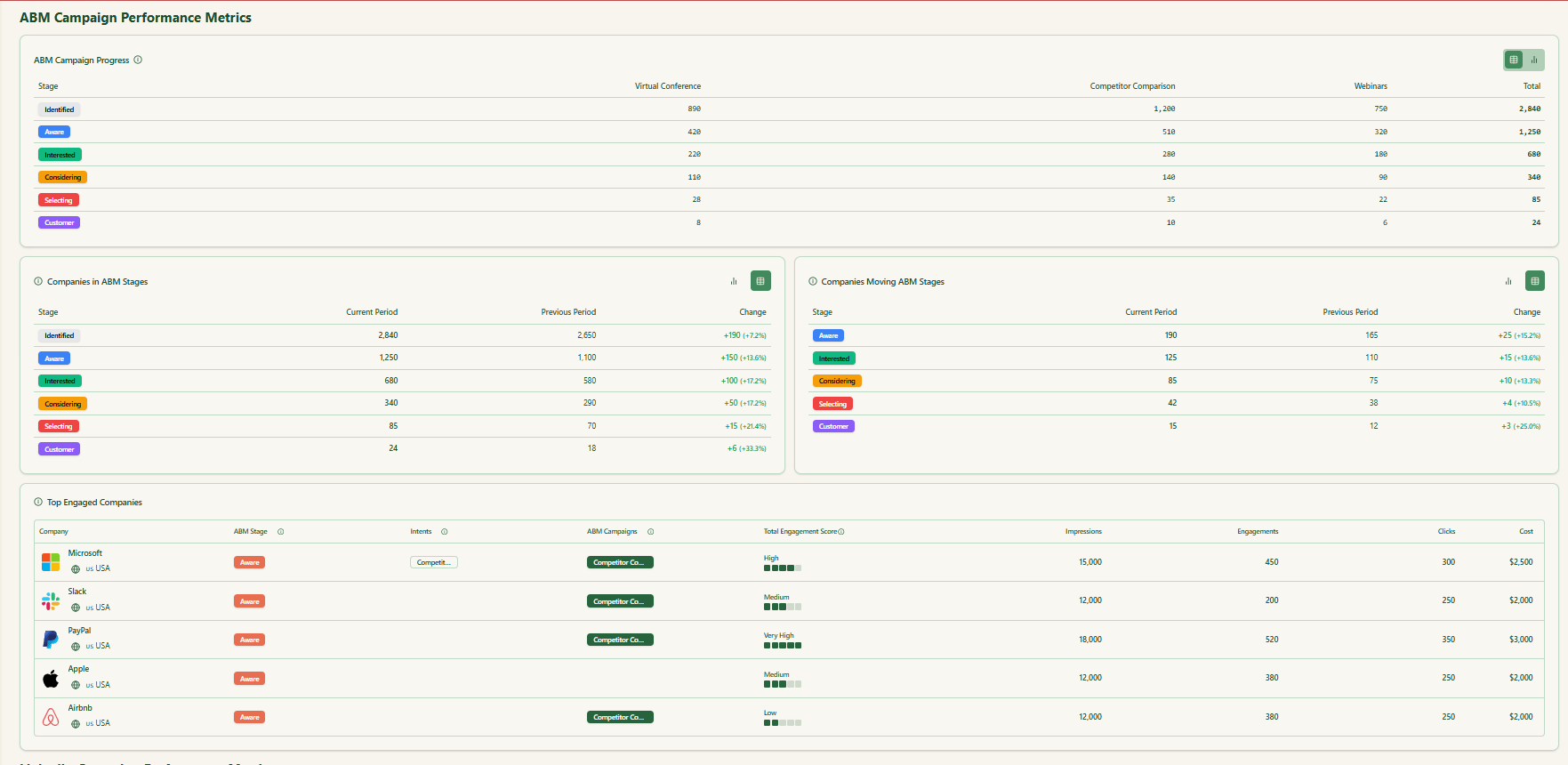
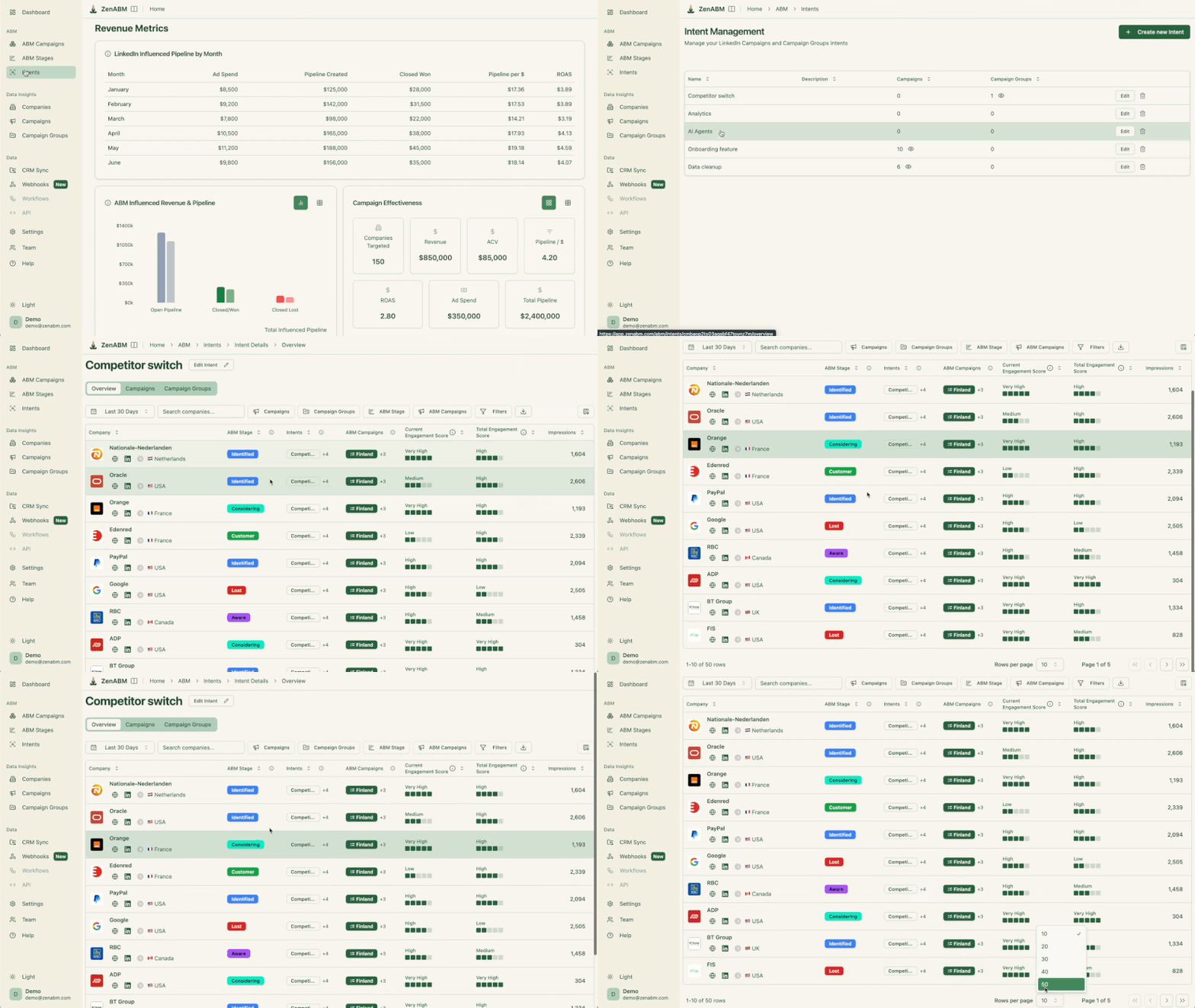
ZenABM ships dashboards that connect LinkedIn ads to account engagement, stage movement, and revenue.
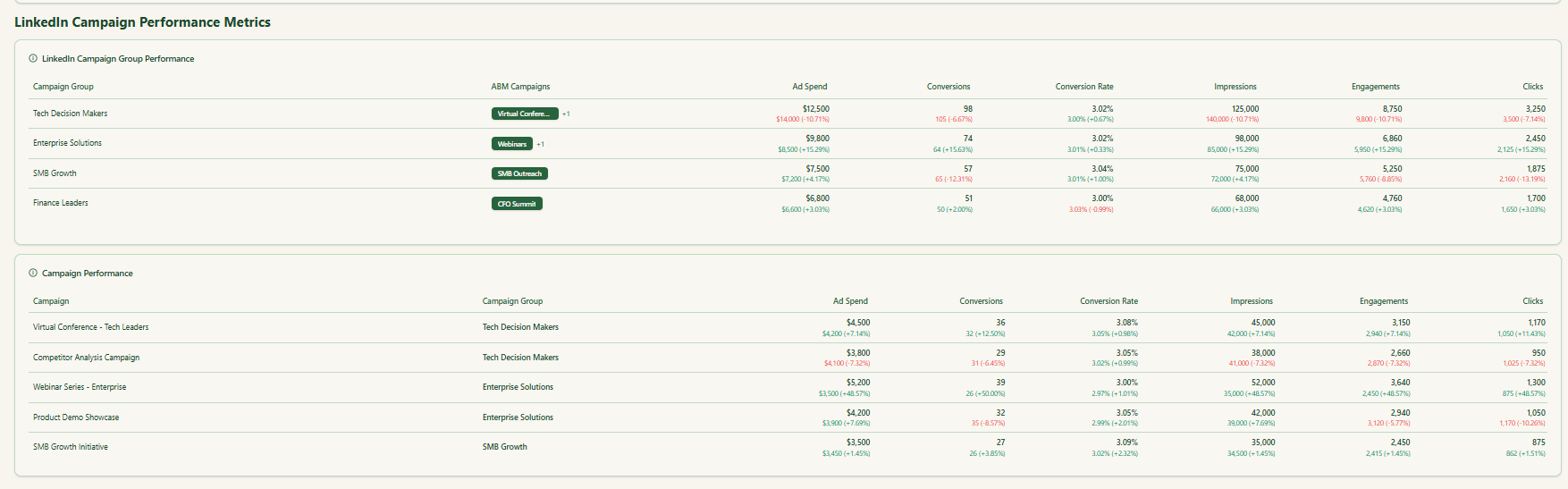
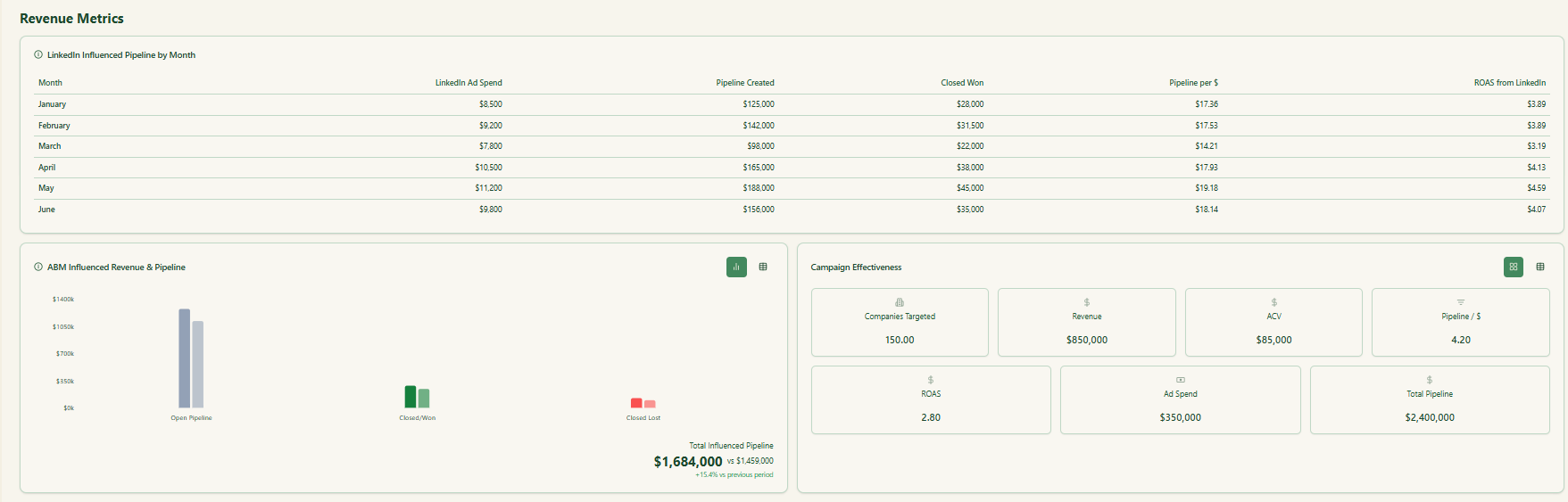
LeadsRx can be excellent at cross-channel measurement, but it does not natively surface LinkedIn-first, account-actionable insight like stage movement, hot-account routing, and job-title level ad engagement.
ZenABM instead pulls direct account data from LinkedIn’s API for more reliable ABM insight.
That makes it easier for sales to prioritize hot accounts (which measurement-first stacks often don’t elevate).
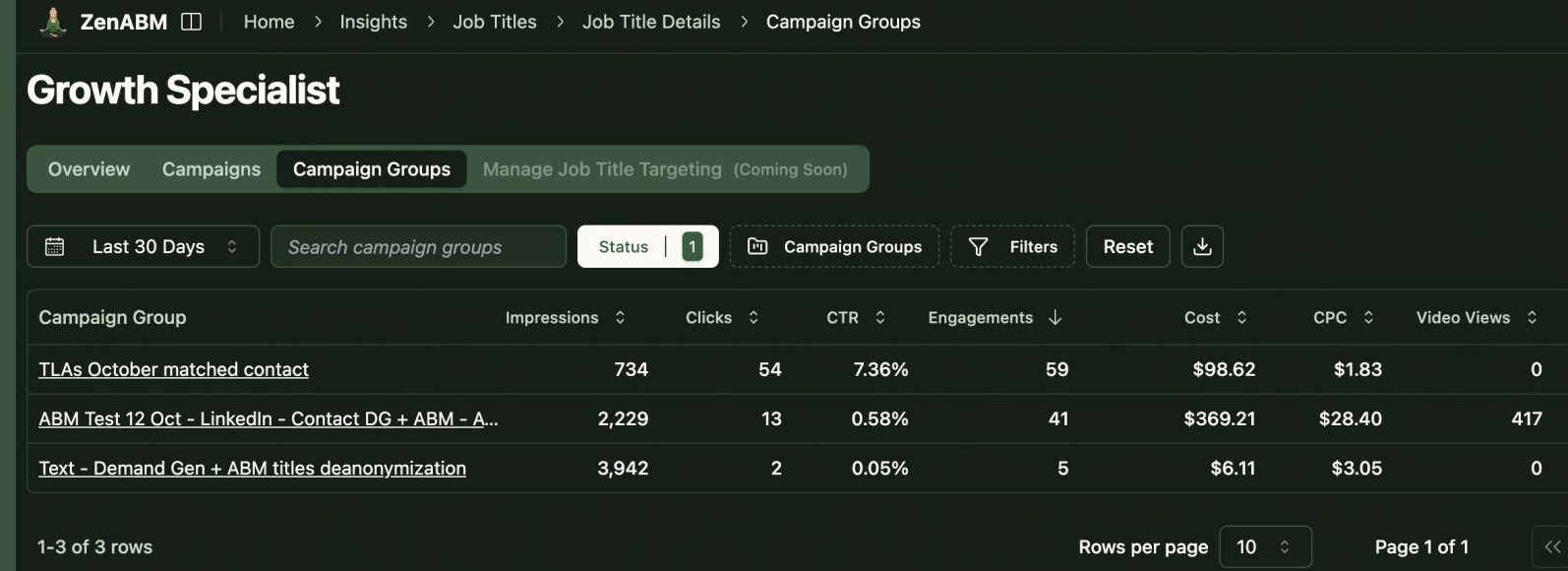
ZenABM shows which job titles engage with your creatives, plus dwell time and video funnel analytics.
ZenABM captures first-party qualitative intent by showing which ad, message, and value proposition resonated with each company.
You can see whether an account responds more to Feature A vs Feature B messaging, pricing-led vs problem-led narratives, or demos vs thought leadership.
You can tag campaigns and creatives with intent themes like “security-led,” “integration-led,” or “ROI-driven,” and ZenABM associates accounts with those themes based on real engagement.
ZenABM also groups companies with similar intent together, making it easy to spot clusters responding to the same narrative.
These insights appear next to each company record and are pushed into your CRM as structured properties, so sales knows what to say, to whom, and why, before the first outreach.
This intent is more reliable than Bombora-style third-party intent because it’s based on real interactions with your own messaging, not rented keyword surges.
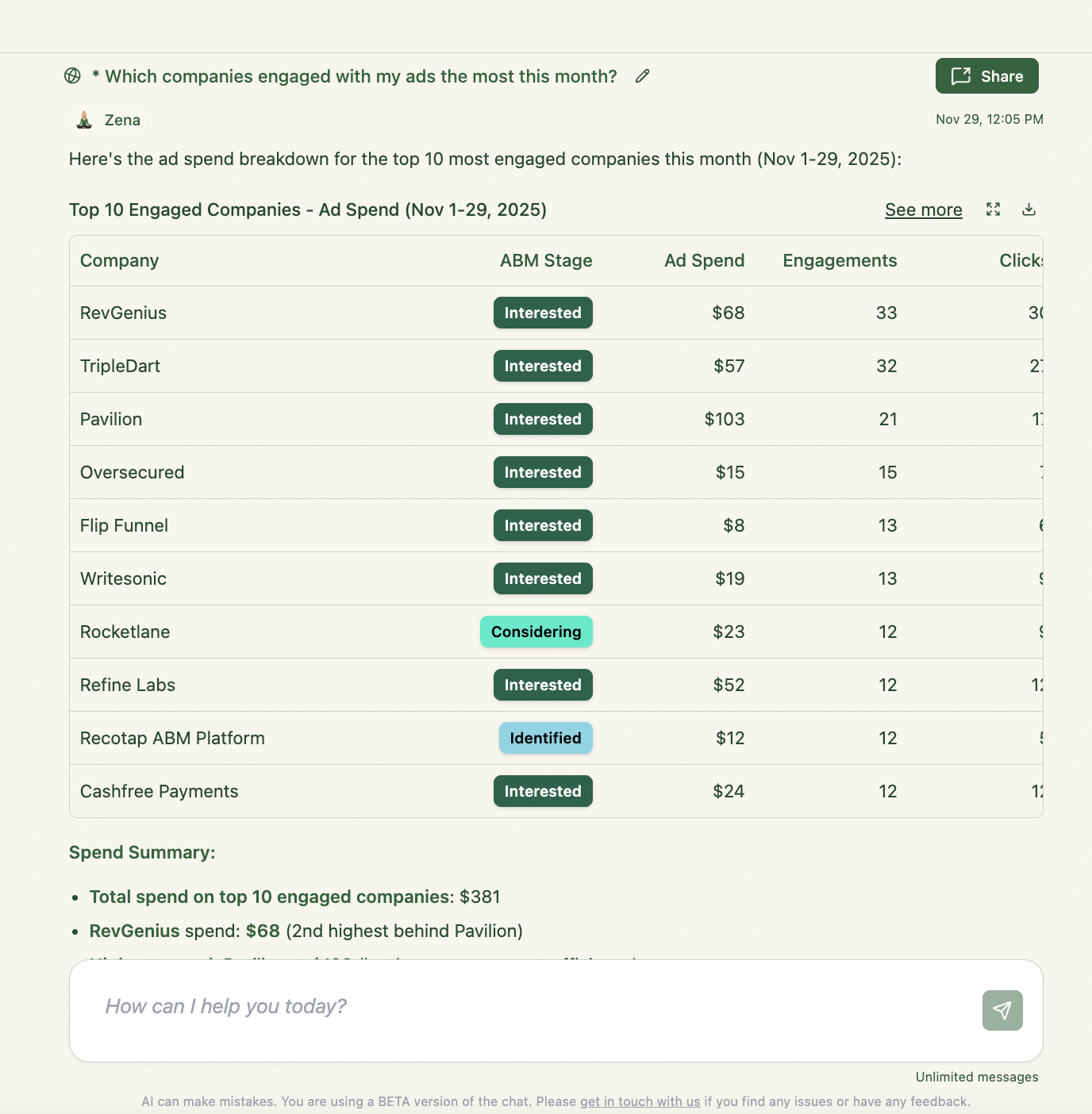
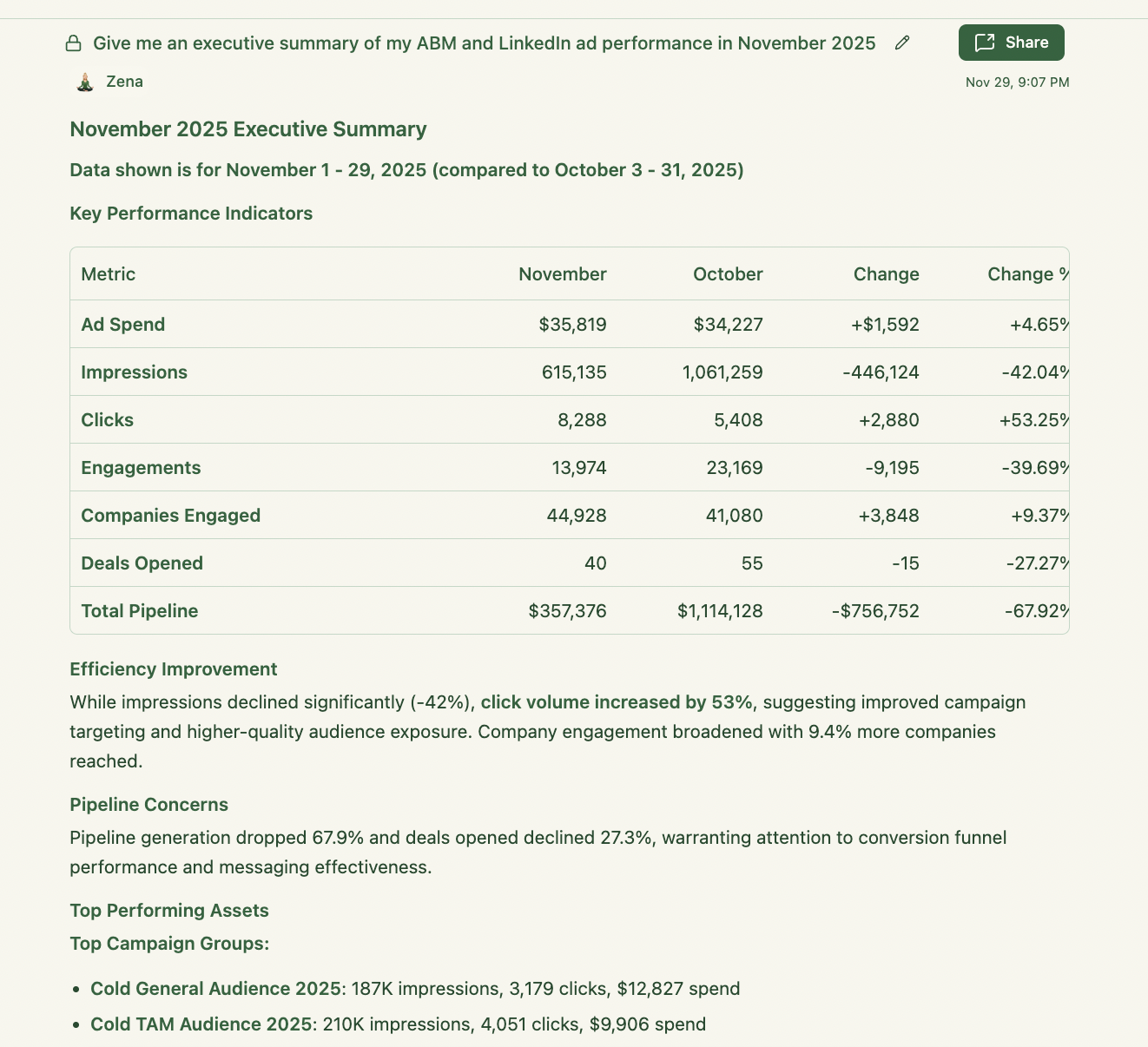
ZenABM provides its AI chatbot, Zena, which answers questions in natural language like a smart analyst.
You can ask Zena questions and get company-level answers about:
Under the hood, Zena combines OpenAI with prompt logic and endpoints that join ad engagement, spend, and CRM deals. It can explain what drove pipeline, which accounts became opportunities, what formats work best, and which high-intent accounts sales hasn’t touched.
Instead of exporting sheets and building pivot tables, you get plain-language insights ready for reviews, sales standups, and exec updates.


Most tools treat each LinkedIn campaign as separate. ZenABM lets you group multiple campaigns into one ABM campaign object, so you can track performance across regions, personas, or creative clusters.
Instead of juggling fragmented reports in Campaign Manager, you see spend, pipeline, account movement, and ROAS for the full initiative.
ZenABM includes a multi-client workspace for agencies.
You can manage multiple ad accounts in one place, each with its own ABM strategy, dashboards, and reporting, without constantly switching accounts in Campaign Manager.
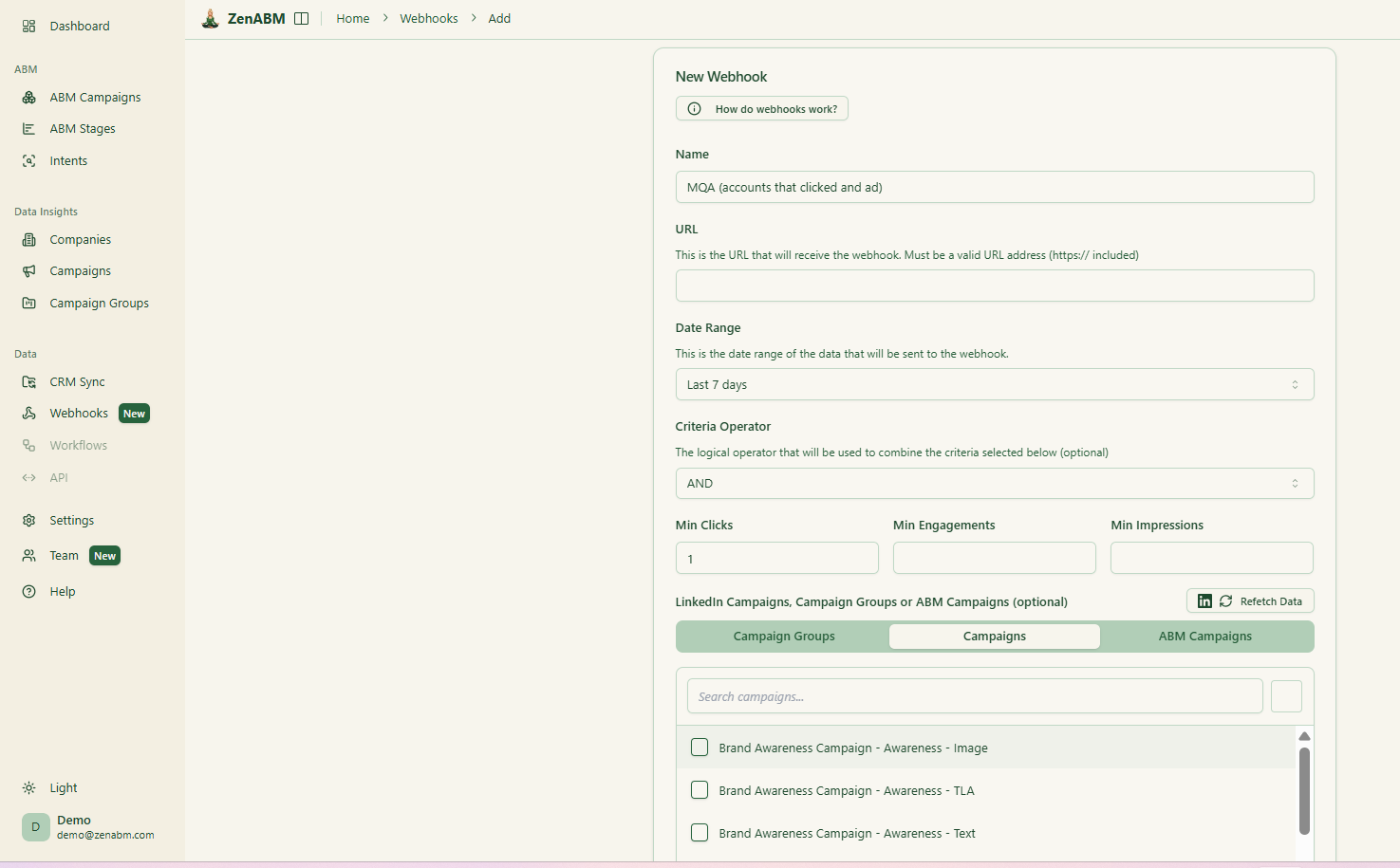
ZenABM’s webhooks let you push events into your stack, such as Slack alerts, enrichment flows, or other ops automations.
No heavy data engineering.
Connect LinkedIn Ads and your CRM, and ZenABM can be live in minutes.
It analyzes LinkedIn data and ties it to CRM opportunities without complex RevOps setup.
ZenABM starts at just $59/month and annual lock-ins ain’t necessary.
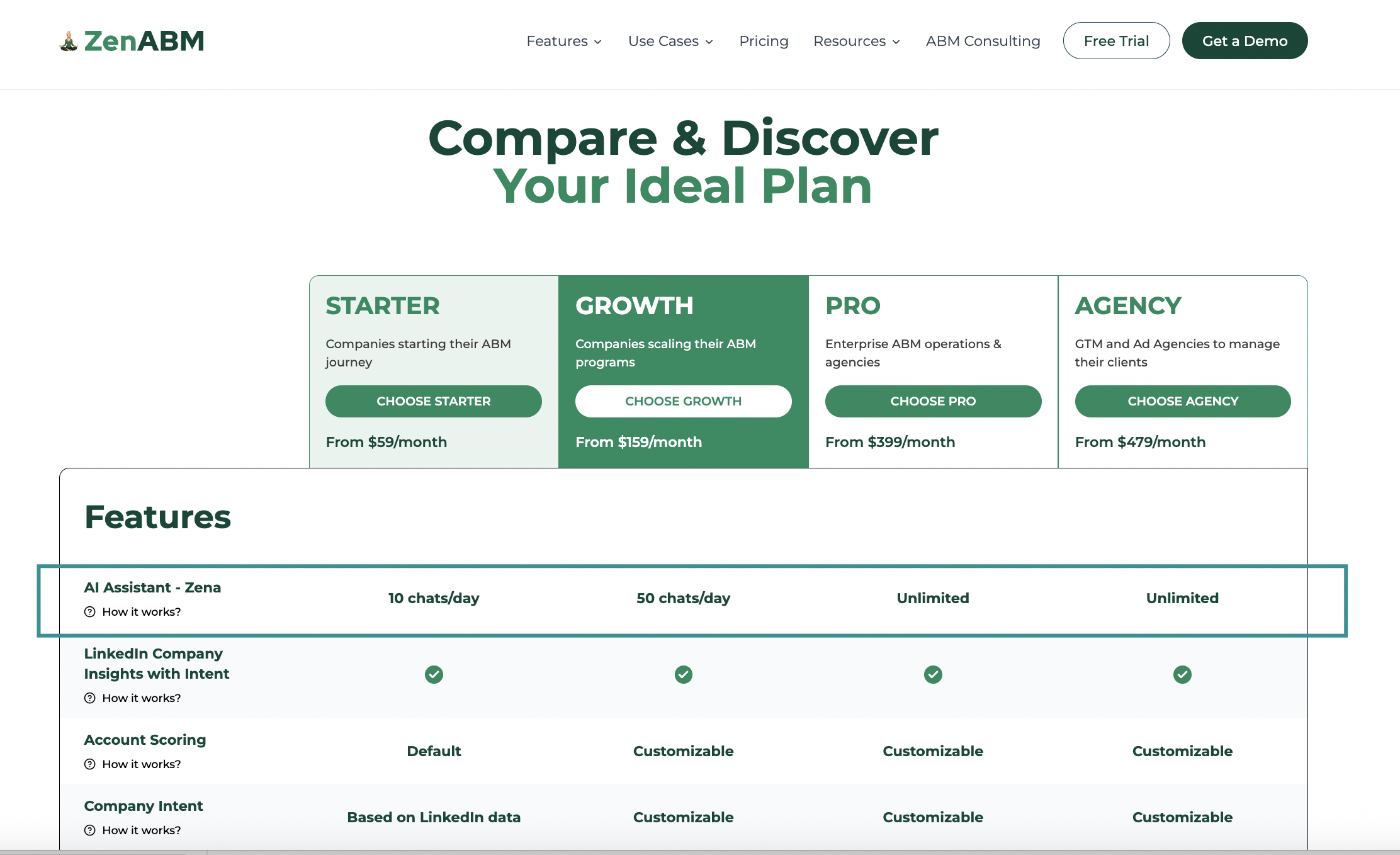
ZenABM is a lean SaaS
ZenABM doesn’t provide third-party intent data marketplaces or content syndication.
However, you can pair ZenABM with a third-party intent layer (like Bombora) or keep Madison Logic for intent activation, and still get clearer LinkedIn-first account engagement and CRM routing than most execution-first stacks.

Best for: Teams that want a dedicated third-party intent feed to prioritize accounts and power outbound or ad targeting.
Madison Logic is typically chosen when you want intent plus activation and ABM measurement in one vendor workflow.
Bombora is often chosen when you mainly want the intent layer, then activate it with tools you already use (LinkedIn, your ABM ads platform, sales engagement tools, and your CRM).
Bombora’s core offerings:
Bombora is best known for surfacing which companies are spiking on specific B2B topics, so you can prioritize accounts that look actively researching.
You can align intent topics to your ICP, build segments, and route “surging” accounts into outbound sequences, ABM ads audiences, or SDR workflows.
Most teams use Bombora as a “signal layer,” then activate it through platforms like LinkedIn Ads, sales engagement tools, and ABM ad platforms.
Bombora typically uses custom pricing, usually based on scope, markets, intent topics, and seats.
Bombora is intent-first. It is not a full activation and measurement suite, so you will still need execution and reporting tools to turn intent into pipeline.
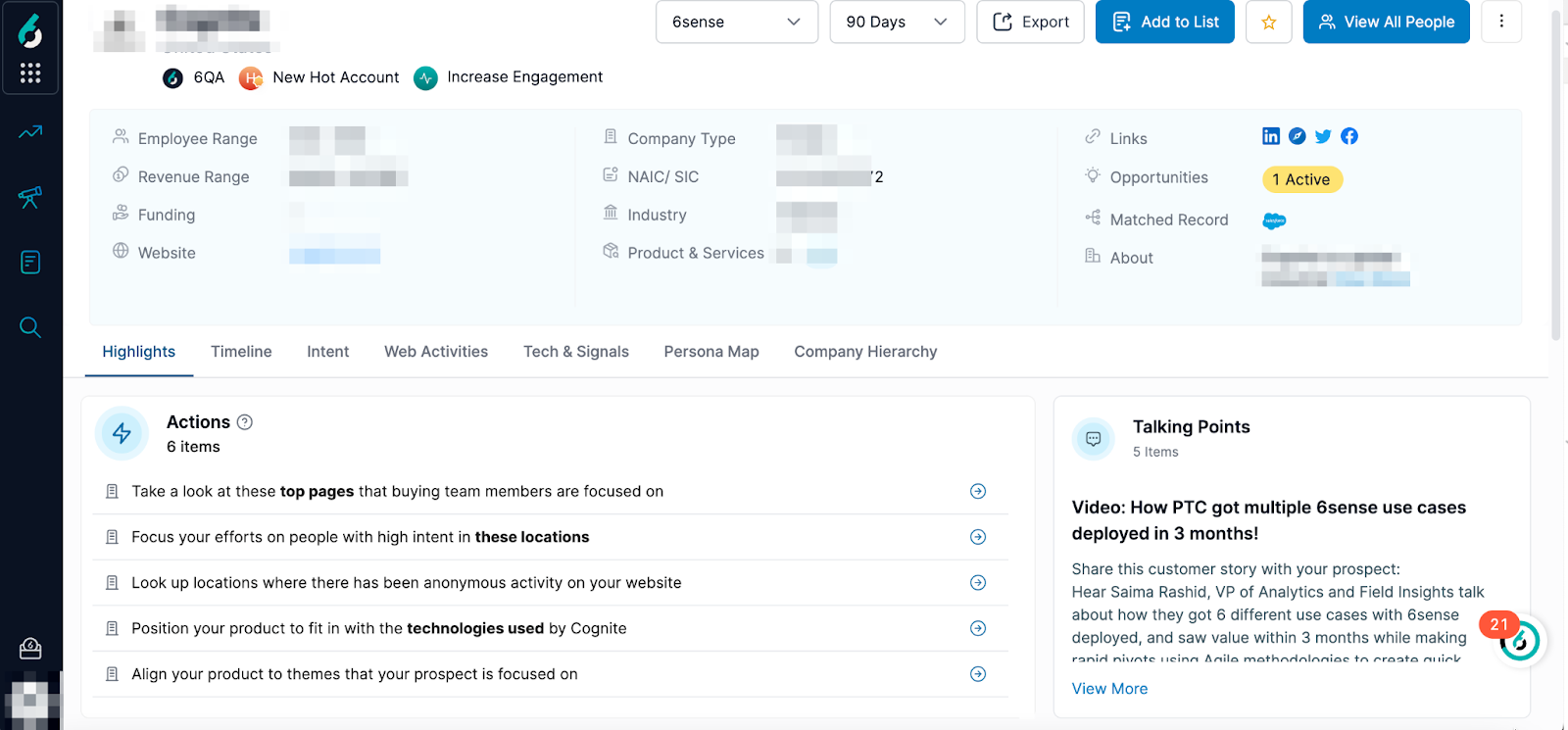
Best for: Companies seeking a data-driven, AI-powered ABM platform that can identify and reach potential buyers even before they raise their hand.
Madison Logic is often used for intent-based activation and ABM media performance reporting.
6sense goes broader: it uses large-scale data and machine learning to find net-new accounts showing interest, predict buying stage, and orchestrate coordinated plays across channels.
6sense’s highlights relevant as a Madison Logic alternative:
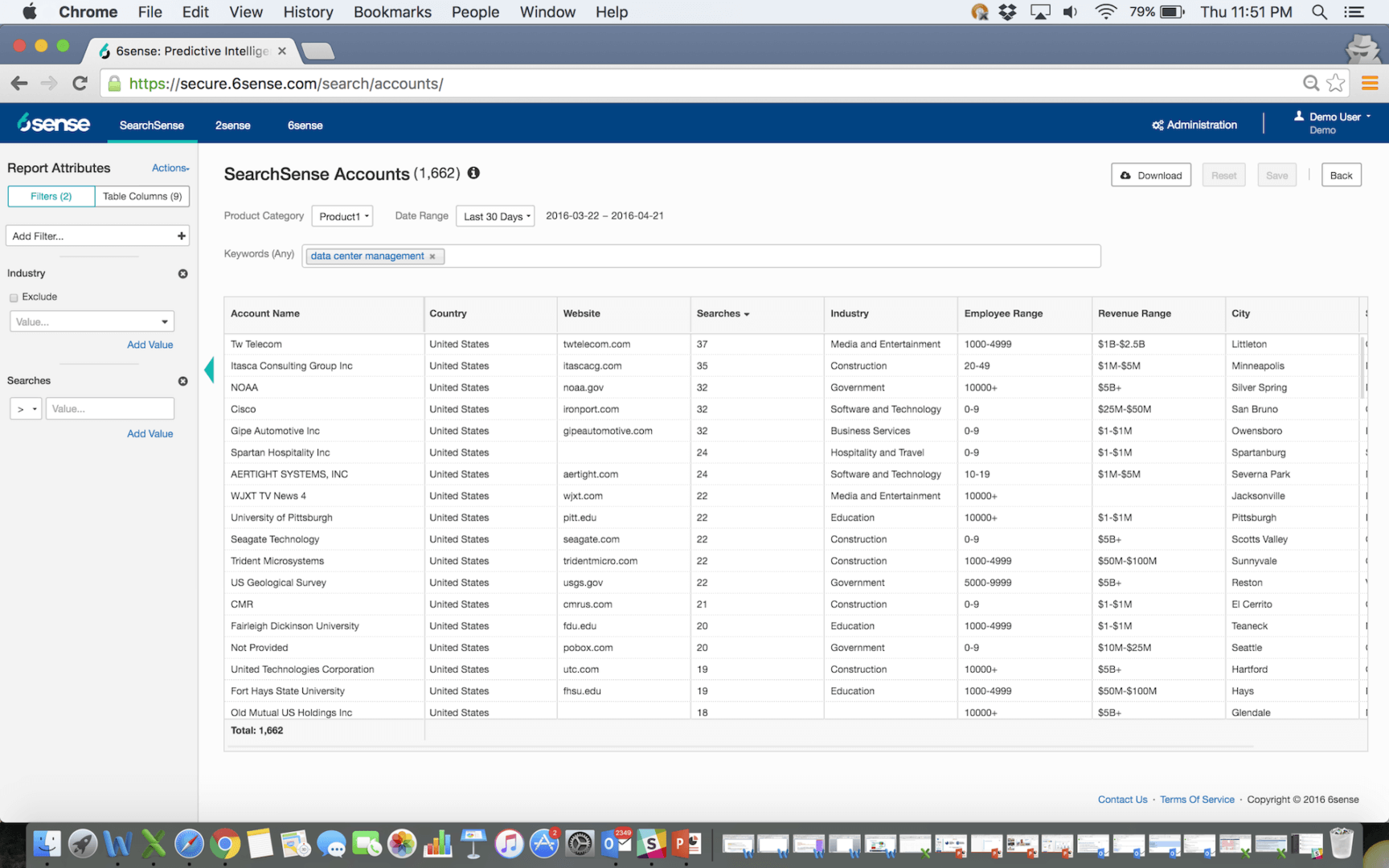
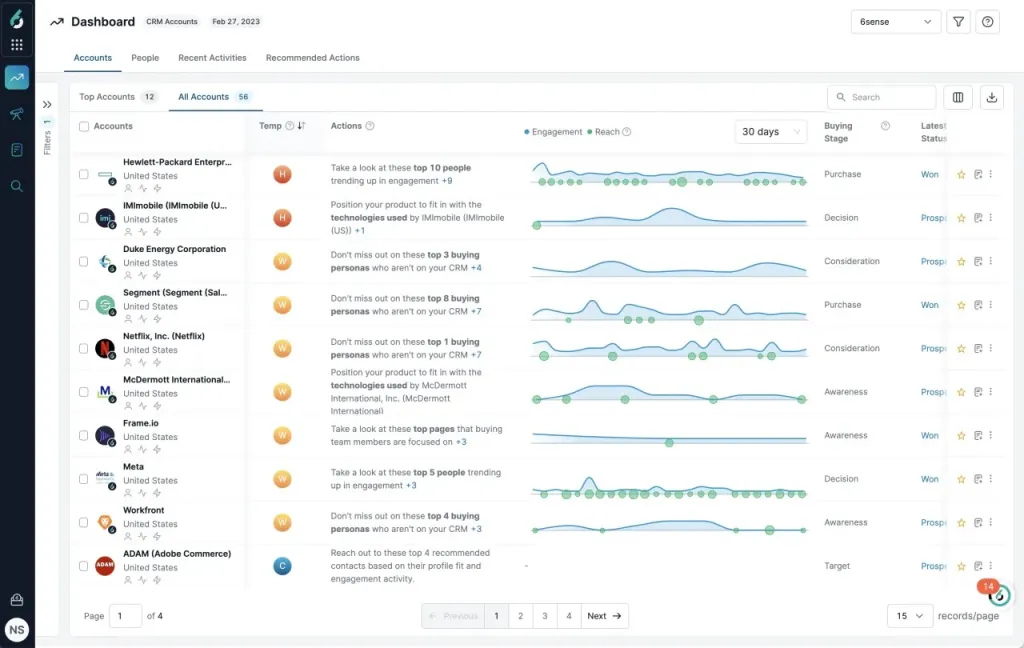
6sense’s claim to fame is its ability to uncover hidden buying intent.
It aggregates third-party data and your first-party signals, then predicts readiness to buy.
Pro Tip: ZenABM, out of all the tools in this list, provides qualitative intent data from a first-party source, your own ads. You can see which messages resonate with each account, tag campaigns by intent themes, and automatically group companies with similar engagement patterns. These insights sync to your CRM as company properties, giving sales clear messaging context before outreach. Because this intent comes from real interactions with your own ads, it’s more reliable than third-party keyword intent.
6sense allows you to set up automated plays, integrating with ad networks, email, sales engagement tools, and more.
6sense can include contact data (depending on package), which helps sales action intent faster.
Madison Logic is typically not chosen primarily for contact database depth.
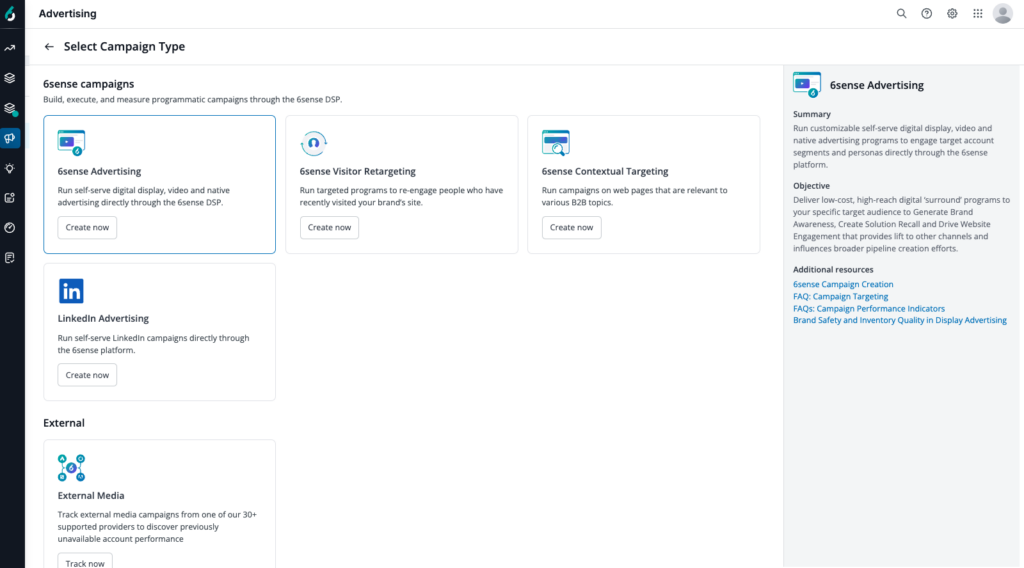
6sense has native ad capabilities and personalization options, going beyond pure activation programs.

6sense analytics dashboards are comprehensive and can be used to forecast pipeline based on account behavior.
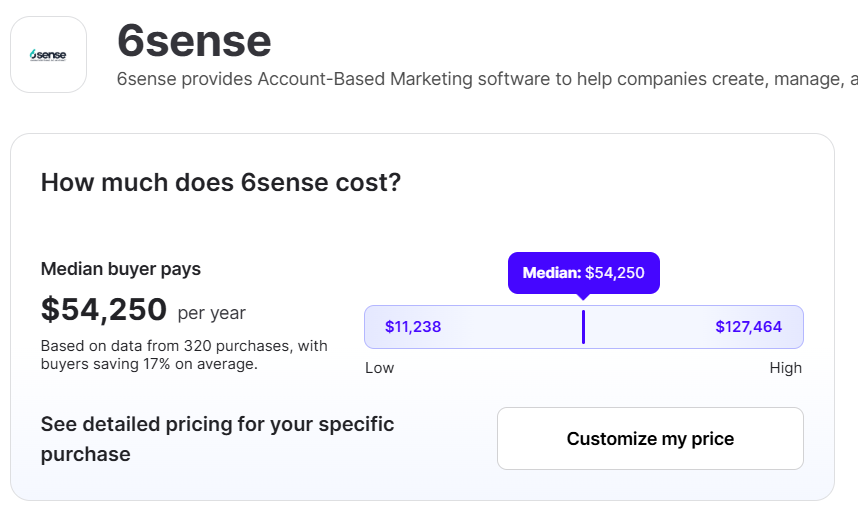
Enterprise Pricing: 6sense is known to be one of the pricier ABM platforms.
Exact pricing is custom, but some public info and benchmarks:
6sense can demand more ops bandwidth and change management. It is worth it only if you will use the full suite, not just intent plus activation.

Best for: B2B organizations that want a complete ABM ecosystem from one vendor.
Madison Logic is often selected for intent-driven activation programs and ABM media measurement.
If your team wants deeper website personalization, a broader data foundation, and a heavier all-in-one ABM suite, you may look to Demandbase.
Demandbase has an extensive list of features, so here’s an overview relevant to an “alternatives” discussion:

At its core, Demandbase has what you might call an Account Data Platform.
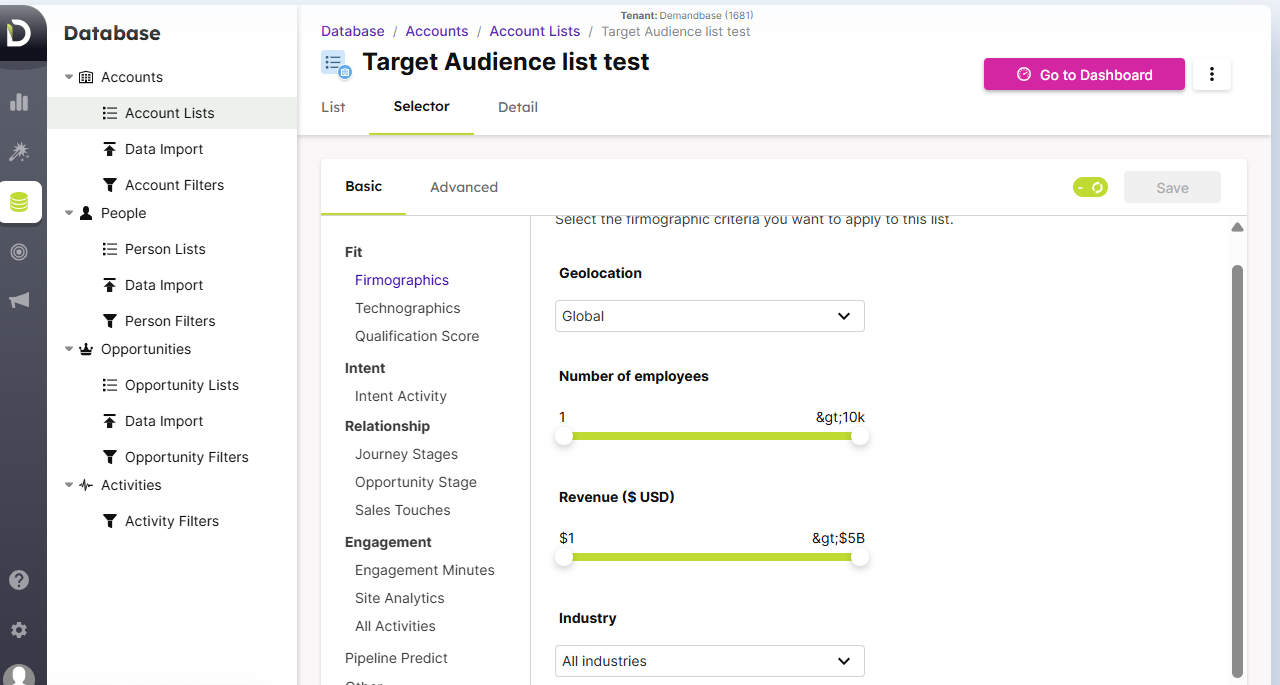

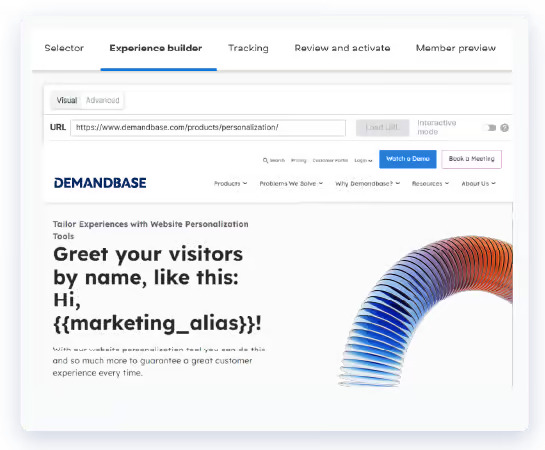
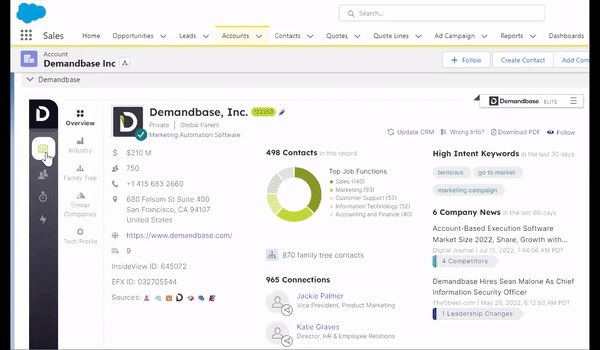
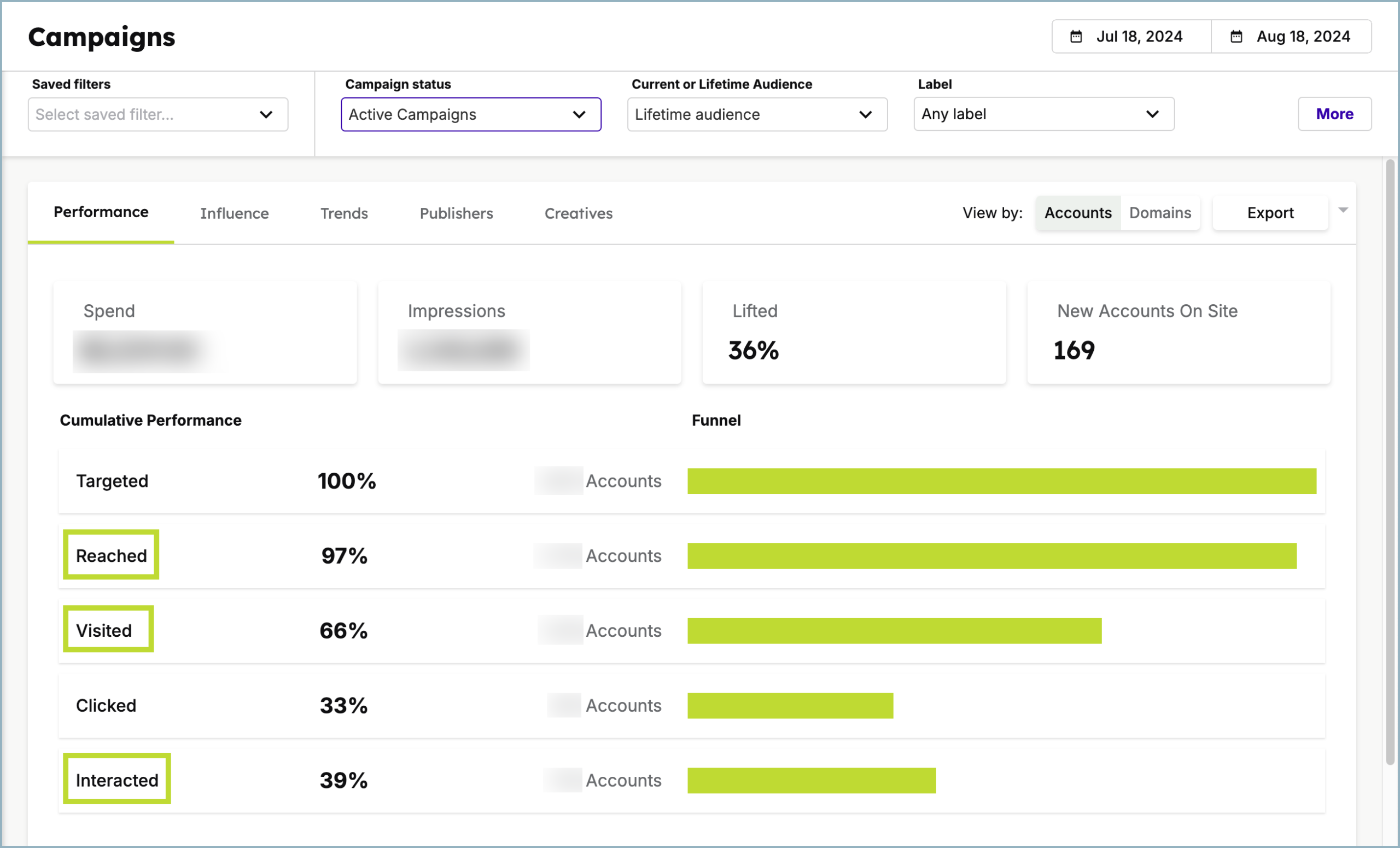
Demandbase One is known to be on the high end for cost as well, often comparable to 6sense:
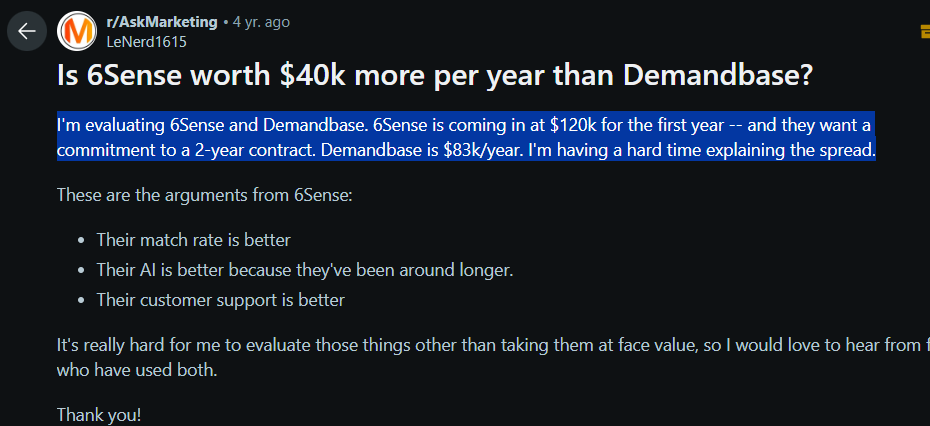
Demandbase is expensive and broad, often overkill for teams that mainly want intent-led activation plus media measurement.
Choose it for a full-suite ABM vision and budget; otherwise, a leaner stack is usually more efficient.

Best for: Teams that want a suite-style ABM platform spanning ads, engagement, reporting, and sales visibility.
Madison Logic is commonly used for intent-led activation programs (reach in-market accounts via content and media) and ABM media performance measurement.
Terminus is often evaluated when a team wants an ABM “operating layer” that combines account-based advertising, account engagement measurement, and sales enablement style visibility in one platform.
Terminus generally focuses on:
Run account-targeted advertising and tie engagement back to target accounts.
Measure account-level engagement to understand which accounts are warming up and which plays are working.
Surface insights to sales teams through alerts, dashboards, and integrations to support prioritization and follow-up.
Provide reporting that helps teams connect account engagement and ad exposure to pipeline movement.
Terminus pricing is typically custom, based on package and scope.
Terminus is suite-oriented and can be heavier than a focused intent-activation workflow. It tends to be best when you want one platform spanning multiple ABM layers and you will actually use them.

Best for: Teams that want an execution-focused ABM platform with programmatic advertising built in.
Madison Logic is a strong fit for intent-led programs that combine distribution and ABM media measurement.
N.Rich, by contrast, is frequently evaluated when you want a more direct “ABM execution console” that can activate intent into targeted programmatic ads and maintain dynamic targeting logic.
N.Rich’s core offerings:
N.Rich helps you define your Ideal Customer Profile (ICP) using your CRM data.
N.Rich pulls in third-party intent signals and also tracks first-party signals (website visits, ad clicks).
N.Rich’s integrated DSP lets you run ads targeting your account lists.
N.Rich links ad engagement and intent data to actual CRM opportunities.
N.Rich can sync with CRMs and push insights for sales follow-up.
N.Rich pricing is typically quote-based with entry tiers often landing in five figures annually for fully featured deployments.
N.Rich can require more setup and operational discipline. It is best when you want execution depth and are prepared to run the platform, not just consume intent signals.
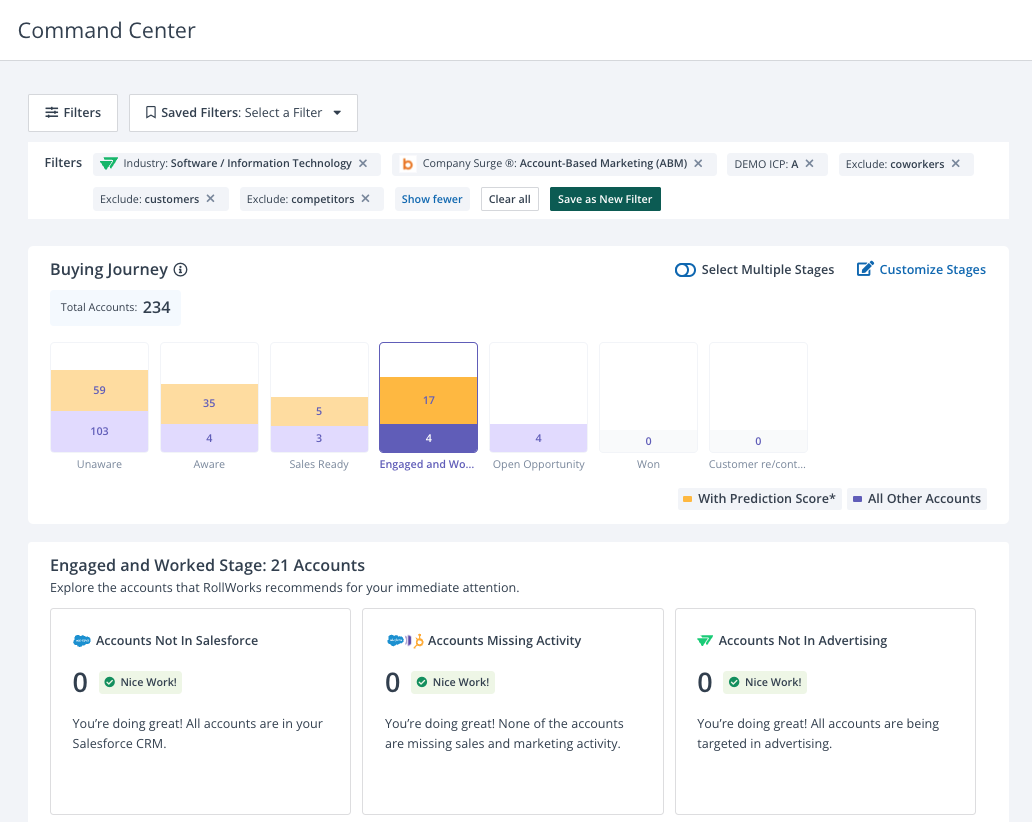
Best for: B2B teams (including smaller marketing teams) that want a user-friendly platform to launch and manage account-based digital ad campaigns, with some built-in account scoring and analytics, but without the heavy lift of an enterprise solution.
If you want to run account-based ads quickly with less complexity, RollWorks can be a simpler alternative to intent-led suites.
RollWorks’ core offerings:
RollWorks offers a built-in advertising network (display, social, and integration with LinkedIn) to serve ads to target accounts.
The platform tiers target accounts and can score them based on engagement.
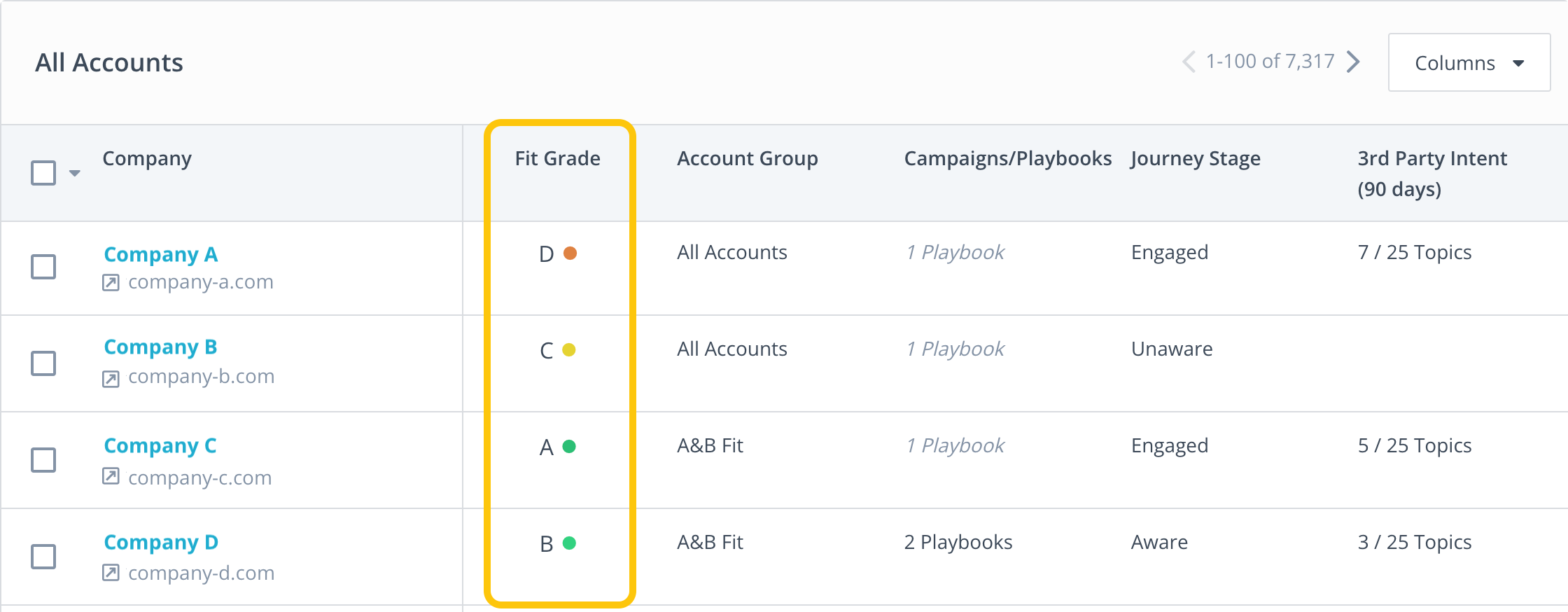

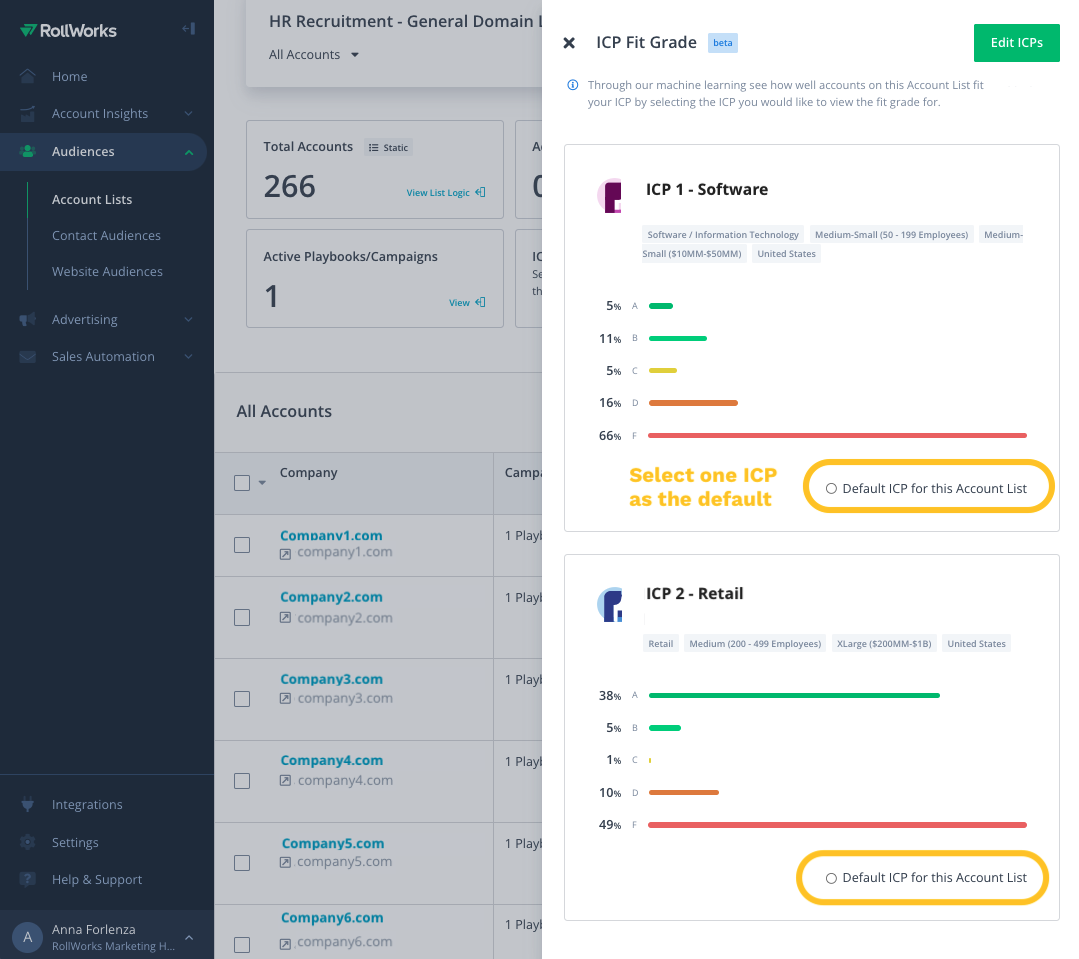
RollWorks provides sales with alerts or CRM widgets showing which target accounts are surging or have seen ads.
RollWorks connects to common CRMs and marketing automation tools and can write data back.
For smaller to midsize teams, RollWorks often starts just under $1,000 per month.
RollWorks is ad-first and simpler. It is not designed as an intent-led distribution and measurement platform, so teams seeking that workflow may prefer Madison Logic or an enterprise suite.

Best for: Teams that have a complex B2B customer journey and need a dedicated solution to track, analyze, and attribute revenue across all touchpoints (ads, website, email, sales touches, etc.).
Madison Logic focuses on intent-led activation and ABM performance reporting.
Dreamdata is appealing when you need a unified, account-level journey view across systems, multi-touch attribution to tie activities to revenue, and leadership-ready answers on what channels actually drive pipeline.
Dreamdata’s core offerings:
Dreamdata is positioned around B2B customer journey mapping and account-level revenue analytics.

Beyond measurement, Dreamdata emphasizes activation, like building audiences and syncing data back into ad platforms.
Dreamdata’s free plan can help validate tracking and basic attribution before upgrading.
Dreamdata supports multiple attribution models.

Dreamdata commonly integrates into B2B stacks so reporting aligns to pipeline and revenue, not only clicks.
Dreamdata offers a free plan, and then paid tiers that scale with requirements.
Pricing details are no exact stated on the site, but third-party sources like Vendr say Dreamdata’s median pricing is around $27k per year.
Dreamdata is attribution-first, not real-time or execution-first. Setup can be heavy (data stitching, matching). It also lacks intent activation programs.
It’s best for proving what drives revenue and guiding budget, while Madison Logic and other platforms handle intent activation and ABM execution.
By now, it’s clear that “best” depends on what piece of Madison Logic you’re trying to replace.
Madison Logic itself is typically used for intent-led activation and ABM media measurement.
You might find you only need a portion of that, or you need something extra beyond it.
Moreover, in many cases, the optimal solution isn’t a single tool, but a combination.
For example: ZenABM + Bombora (one for first-party LinkedIn intent and CRM activation, one for broad third-party intent) can outperform a one-size suite, at a lower cost.