

©2026 ZenABM - All Rights Reserved.

Since ITSMA coined the term, ABM has dominated B2B conversations.
In this article, I’ll unpack the ABM strategy definition in the most practical way possible, plus execution tips and working frameworks.
I’ll also show how ZenABM helps you operationalize your ABM strategy definition at scale.
Let’s go!
An ABM strategy definition centers on concentrating resources on a curated list of high‑value accounts instead of spraying messages at thousands of unqualified leads. When that focus is powered by data, personalization, and tight sales–marketing alignment, you see the outcomes that matter: larger deals, faster cycles, and less internal friction.
ZenABM layers intent signals on top, surfacing buyers the moment they begin researching, so you engage while interest is spiking.
If 2024 taught B2B anything, it’s this: lead volume is vanity; qualified pipeline is the board’s currency. That’s where account‑based marketing wins.
The phrase “ABM strategy definition” is rising for good reason. Teams are ditching spray‑and‑pray and running precision plays that address executive‑level pains.
Traditional demand gen is like casting a huge net and hoping for a whale. ABM flips the approach: identify the whales first, track their patterns, and craft the right spear. The result? Leaner budgets, bigger catches, and healthier growth. That’s one reason many marketers rate ABM higher on ROI than broad‑based tactics.
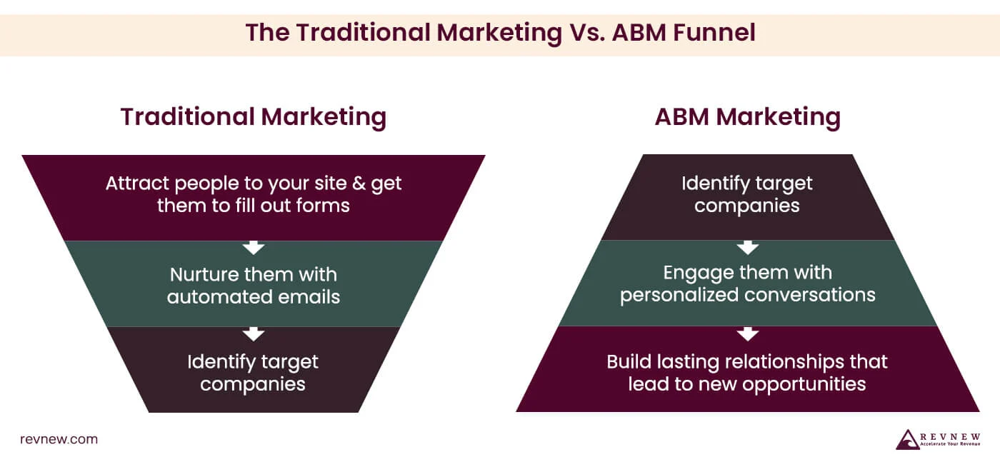
Picture the classic funnel: awareness at the top, a trickle of leads through the middle, and a small set of customers at the bottom.
With an ABM strategy definition mindset, the funnel inverts. You start with a shortlist of ideal accounts, deliver highly relevant experiences, and expand engagement horizontally inside each organization. By close, champions, influencers, and decision‑makers are aligned, reducing those late‑stage executive vetoes.
Let’s explore the core pillars of an ABM strategy definition:
Everything begins with clarity on whom you serve best. Build your ICP with firmographic (industry, revenue, region) and technographic (tools, cloud stack) attributes.
Then score accounts on fit plus intent. Tier 1 should cap at ~20 companies for true one‑to‑one plays. Tier 2 and Tier 3 run one‑to‑few and one‑to‑many motions so resources match upside.
Mine sources like Google News alerts, 10‑Ks, investor calls, and podcast interviews.
Open an email with, “Congrats on the Series C—on the call you flagged APAC expansion; here’s how peers localized campaigns with our platform,” and you earn relevance in seconds.
Research fuels real personalisation. It’s the essence of any ABM strategy definition.
In a typical funnel, marketing throws MQLs over the fence; sales questions quality. In ABM, both teams share the same revenue target on the same accounts.
Meet weekly to review engagement dashboards, re‑score intent, and tune outreach. If a CISO at a target brand downloads your zero‑trust paper, marketing pauses broad ads to that persona while sales fires a custom Loom within the hour. Alignment becomes habit.
Ops leaders care about workflow and handoffs; CFOs care about payback. Personalize on two planes: account context and persona pain. Design content paths accordingly.
Single‑channel outreach is fishing with one line.
Modern ABM blends LinkedIn ads, programmatic display, direct mail, exec dinners, and thought‑leadership podcasts. Each touch references the last to reinforce relevance.
Think “surround‑sound” marketing.
Traditional dashboards cheer MQLs and CPLs. ABM tracks progression: aware → engaged → meeting → opportunity → won.
Engagement intensity scores combine content consumption, ad interactions, and event activity.
Because metrics align with buying stages, teams spot friction quickly and iterate. The continuous‑improvement loop is baked into a strong ABM strategy definition.
Follow these steps to turn ABM efforts into revenue:
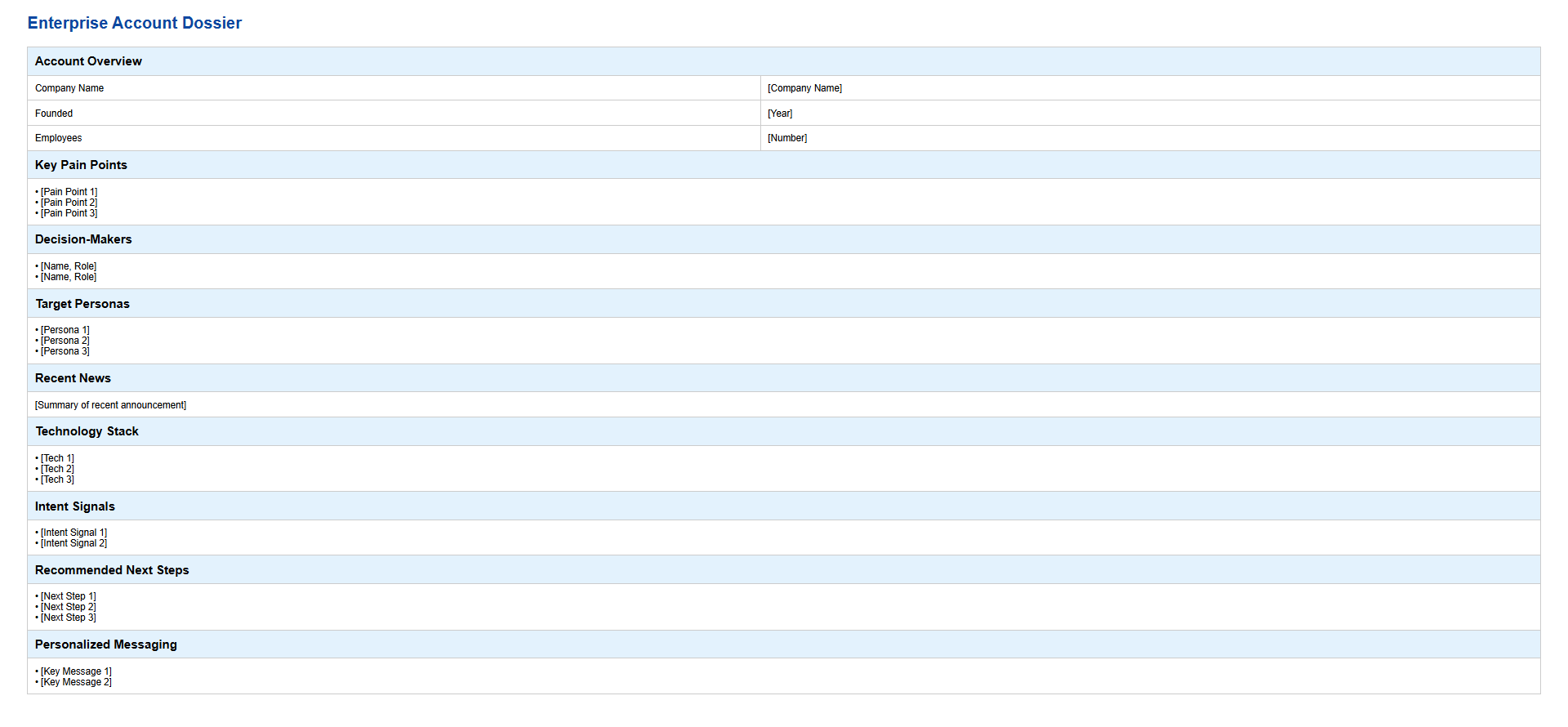
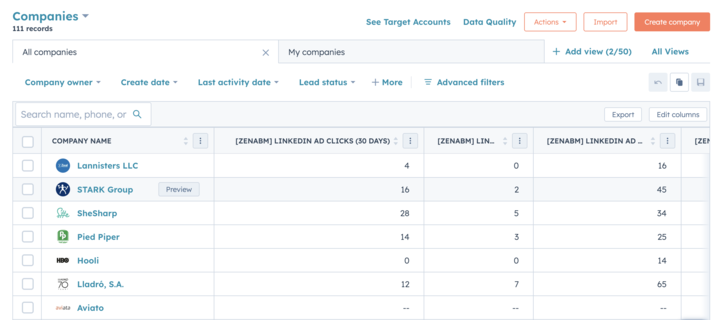
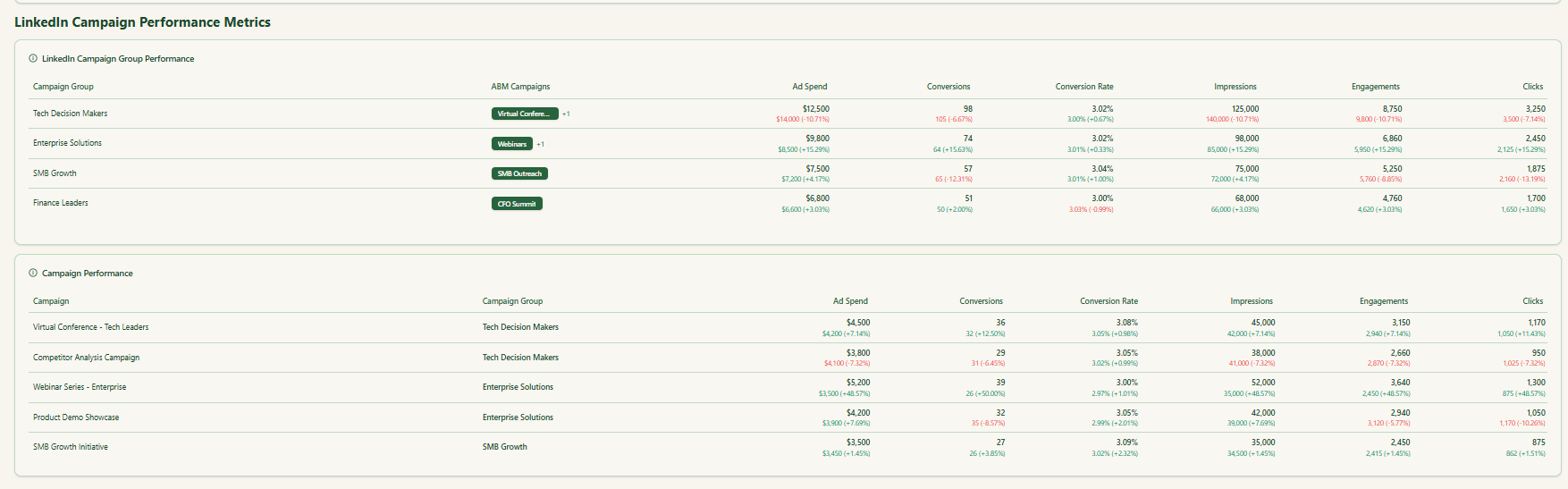
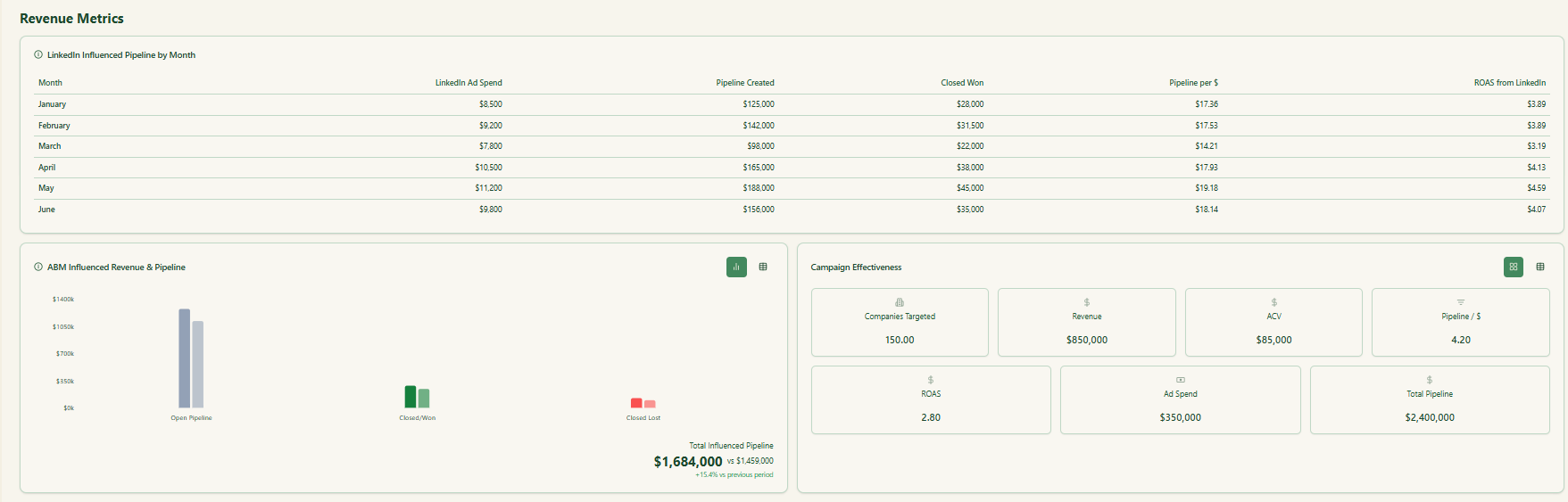
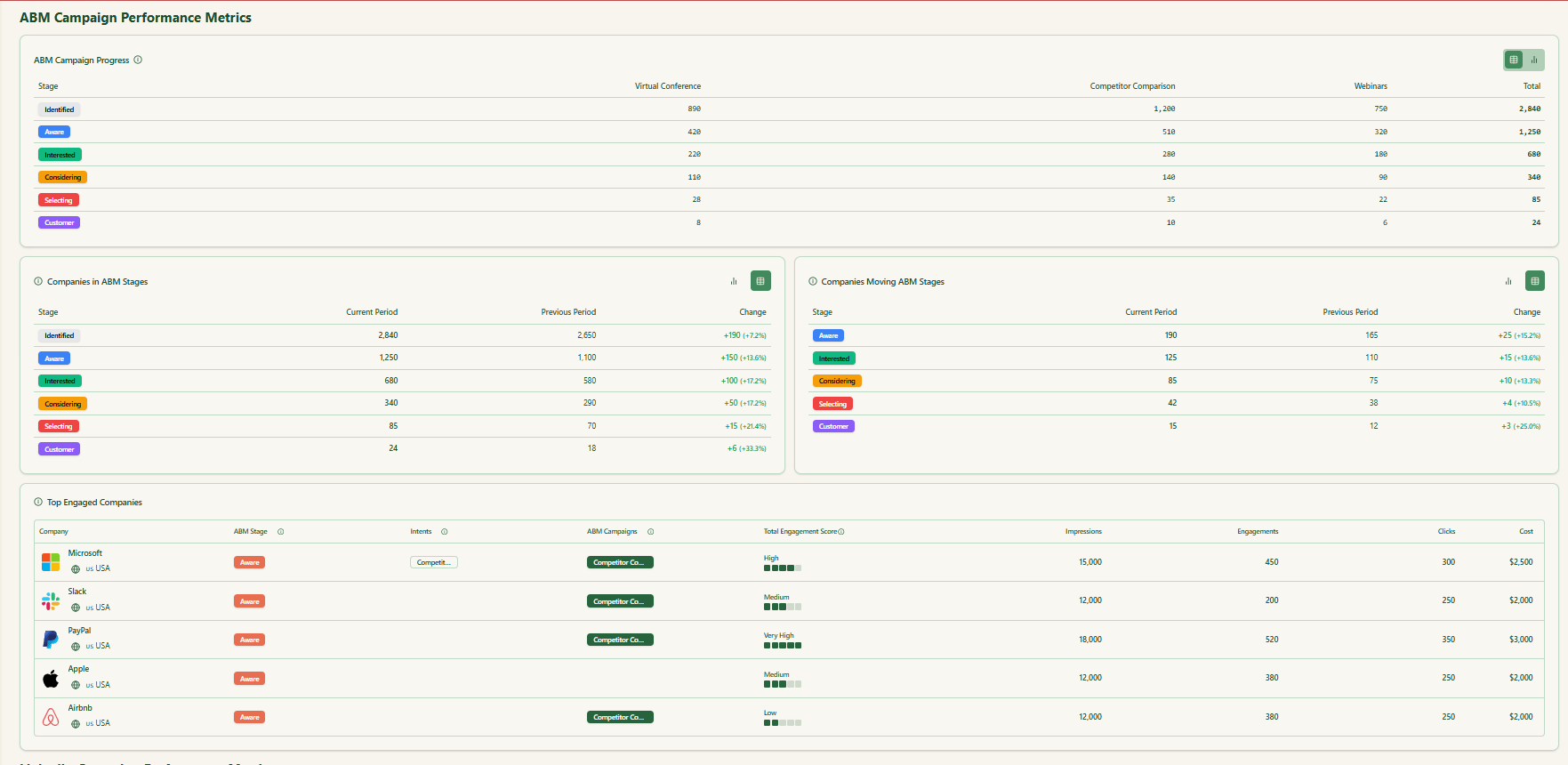
ZenABM is purpose‑built for LinkedIn ads ABM.
Here’s what it does:
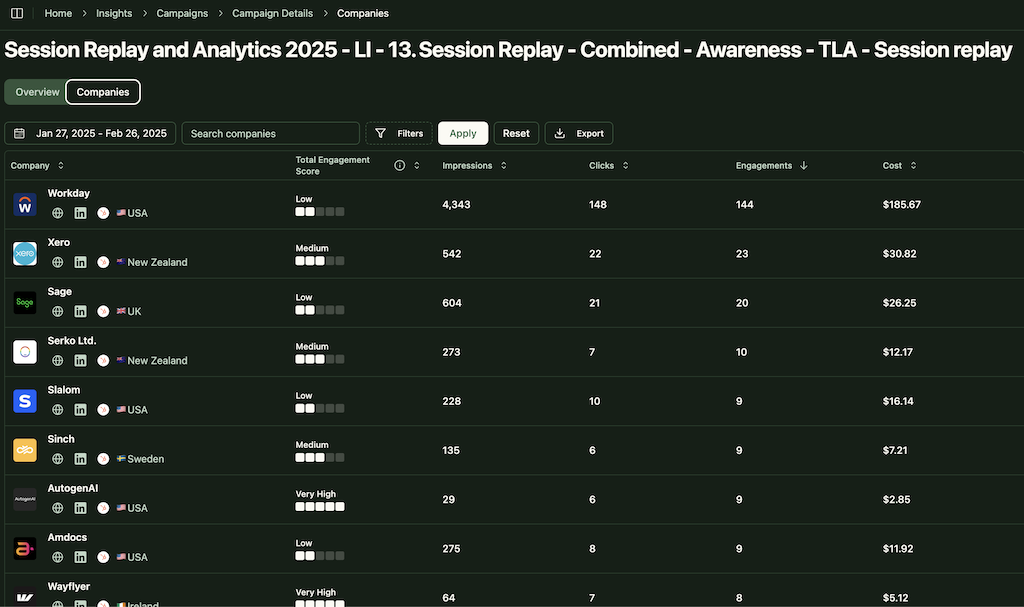
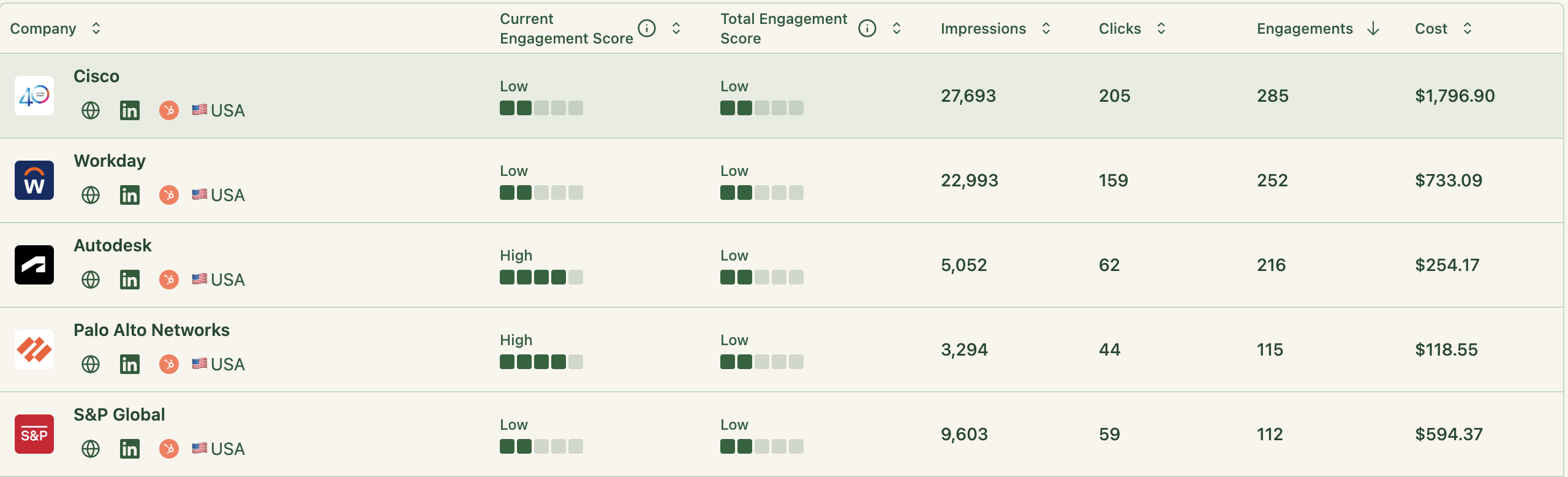

We’ve come full circle. An ABM strategy definition isn’t jargon; it’s a mandate to replace random acts of marketing with precision, empathy, and revenue accountability. Whether you’re targeting Fortune 100 giants or mid‑market disruptors, the formula persists: understand, personalize, orchestrate, and measure. Platforms like ZenABM help those steps happen at the speed of buyer intent.
Ready to embed ABM strategy definition into your 2025 playbook?
Book a 15‑minute ZenABM demo and watch dream accounts surface in your CRM before competitors even realize they’re in market.
