



In this guide, I have compared LinkedScope vs. Terminus on features, pricing and ABM fit so your marketing and sales teams can quickly see which platform aligns with their ABM motion.
I have also discussed how ZenABM can work as a lean LinkedIn-first alternative or serve as a complementary layer due to its unique features.

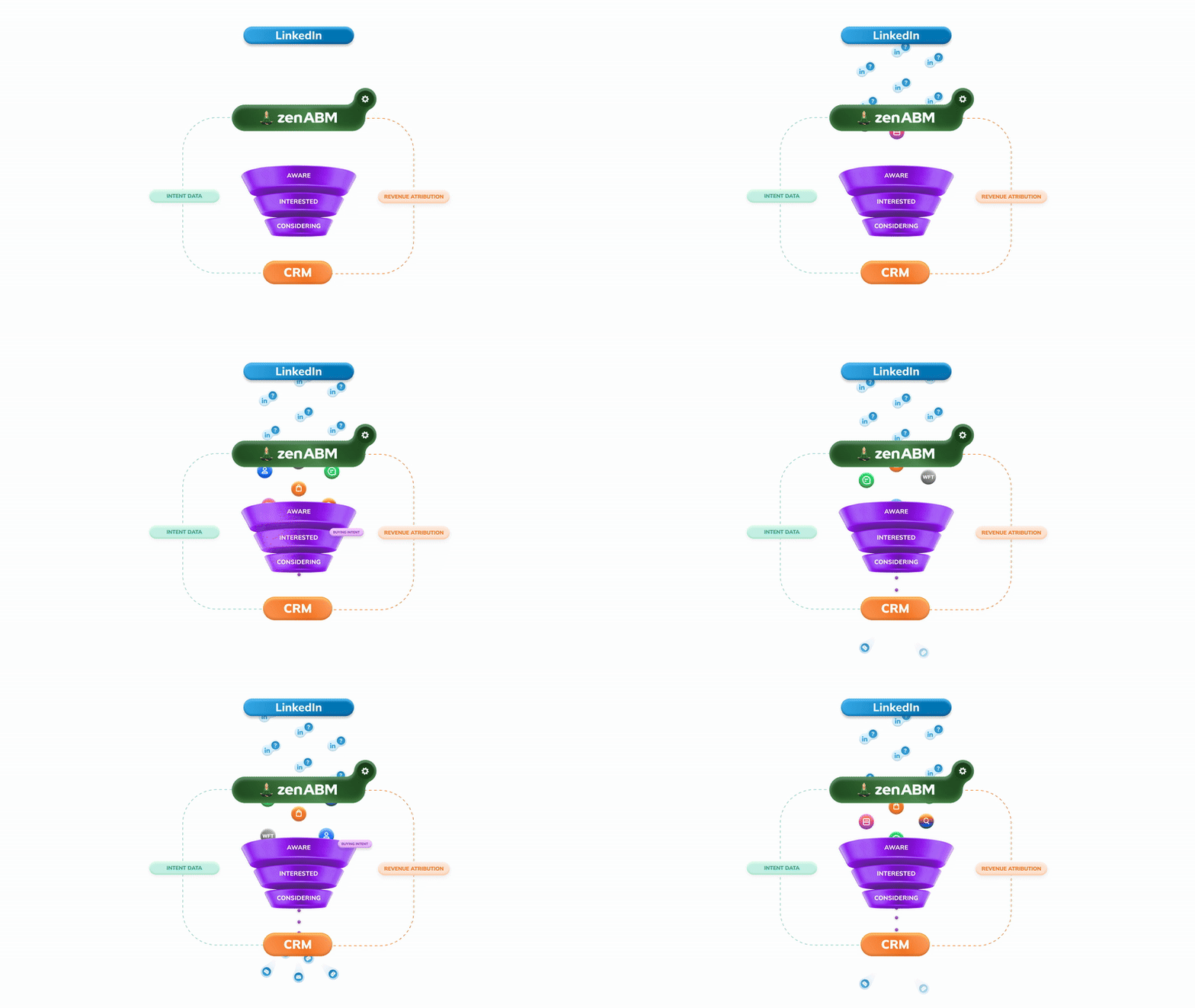
In case you want a quick comparison:
| Category | LinkedScope | Terminus |
|---|---|---|
| Platform Type | LinkedIn Ads analytics and attribution platform | Enterprise ABM orchestration platform |
| Primary Focus | Company-level LinkedIn ad visibility and attribution | Multi-channel ABM execution and measurement |
| Main Strength | Clear LinkedIn company reach and pipeline linkage | End-to-end ABM at enterprise scale |
| Ad Channels | LinkedIn only | Display, LinkedIn, CTV, audio |
| Intent Signals | Engagement-based intent index | Third-party intent plus engagement |
| Account-Level Analytics | Strong for LinkedIn only | Strong across channels |
| CRM Integration | HubSpot, Salesforce, Pipedrive, others | Salesforce, HubSpot, MAPs |
| Operational Complexity | Low to moderate | High |
| Best For | LinkedIn-first teams needing attribution | Large ABM teams running multi-channel programs |
| Pricing | Not publicly disclosed | Custom enterprise pricing |
A third option: ZenABM gives account-level LinkedIn ad engagement, pipeline dashboards, account scoring, ABM stages, CRM sync, first-party qualitative intent, automated BDR assignment, custom webhooks, an AI chatbot Zena that gives deep LinkedIn ABM analytics in natural language, and job title analytics starting at $59 per month.
LinkedScope markets itself as a LinkedIn-centric account-based marketing attribution and optimization platform.
Let’s take a deeper look at its features and see its pricing and user reviews.
LinkedScope is essentially a LinkedIn Ads analytics layer + CRM connector with a sprinkling of intent scoring. I
It promises to tell you exactly which companies your LinkedIn ads reached, how they engaged, and whether they turned into pipeline or deals.
It even cooks up weekly prospect lists (accounts with high engagement metrics), so sales can pursue the most interested leads.
Let’s take a closer look at its core features:
It taps LinkedIn’s official API to pull all the company names and job titles exposed to your ads (no 25-title cap like Campaign Manager).

You can build target-account lists in LinkedScope and auto-sync them into LinkedIn campaigns in real time.

You also get dashboards for campaign reach, company penetration, and (via LinkedIn API) post-click engagement.

All data comes straight from your LinkedIn ad campaigns via the official API.
LinkedScope does not invent third-party insights.
Because of LinkedIn’s rules, it only shows you analytics that LinkedIn itself has, just presented more fully.
On top of raw stats, it computes a proprietary Intent Index: basically an engagement score (clicks, conversions, comments, etc.) to highlight “Spark Prospects.”
Sales reps supposedly get a prioritized list of accounts already warmed up by ads.
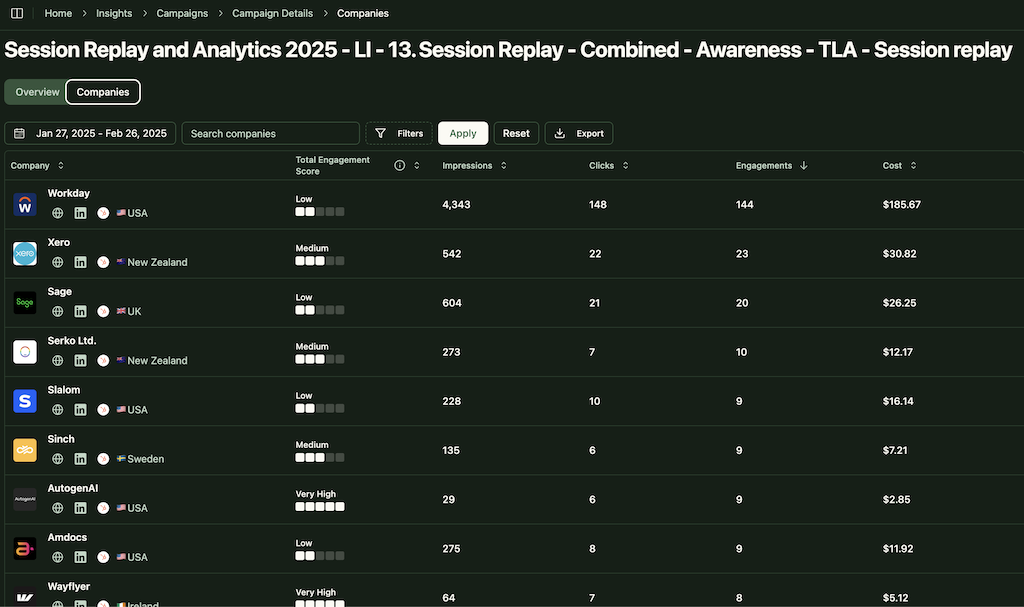
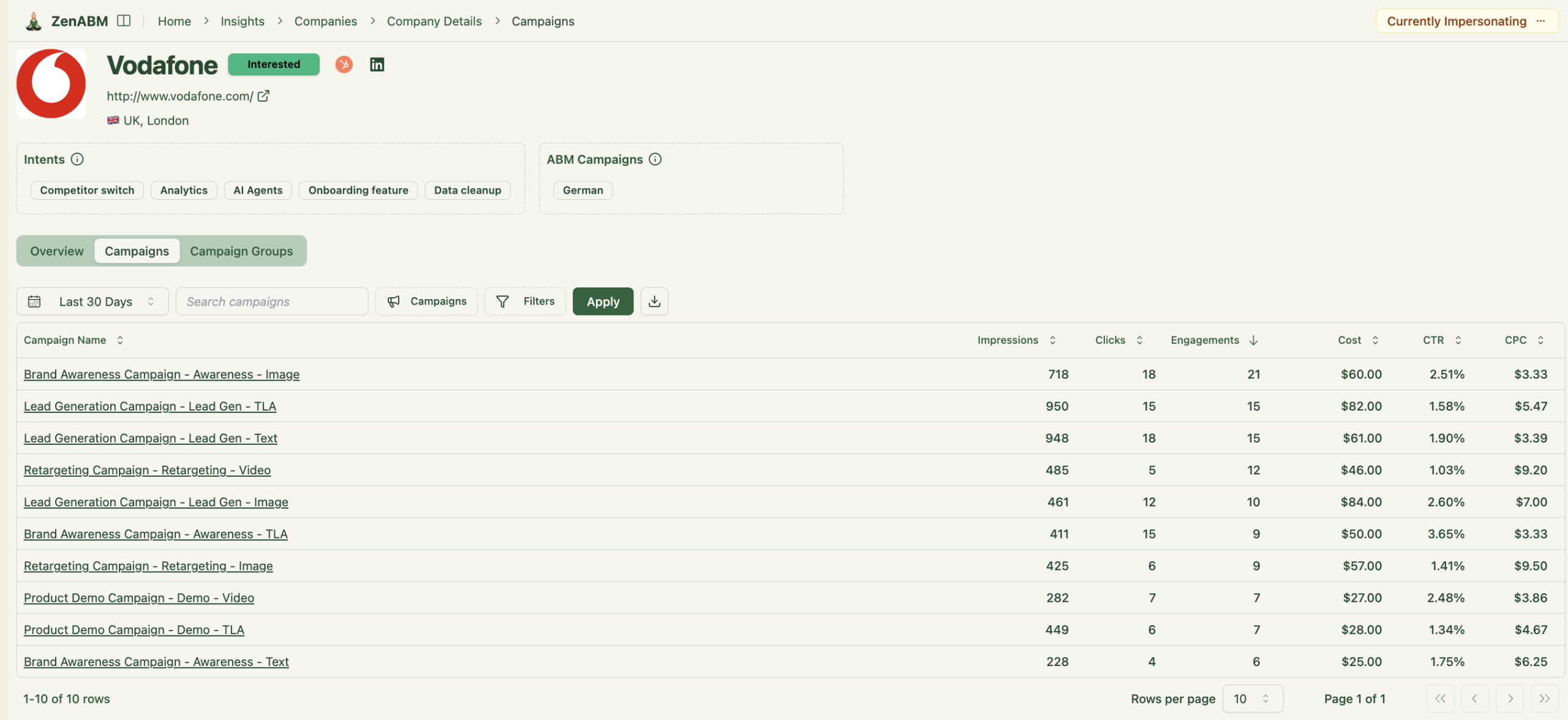
ZenABM, too, pulls company-level ad engagement data for each ad campaign and campaign group straight from LinkedIn’s official ads API:

LinkedScope matches the companies hit by your ads to deals in any CRM (HubSpot, Pipedrive, RD Station, Salesforce, etc.).
It does this by matching website domains or exact company names.
This lets you attribute revenue to LinkedIn Ads: e.g. “$8M in closed deals came from accounts we had advertised to,” as their case study graphic brags.
Essentially, LinkedScope shifts LinkedIn Ads analytics from top-of-funnel vanity into supposed bottom-line visibility.
It also pushes the LinkedIn reach/intent data into tools like Slack or Zapier via webhooks, so you can automate alerts or import lists of engaged accounts into other systems.
By the way, ZenABM also provides detailed plug-and-play account-based LinkedIn ad revenue attribution dashboards for a starting price of just $59/month.
It does that by matching ad-engaged companies to the deals in your CRM, just like LinkedScope.
But there’s a difference: ZenABM doesn’t just match website domains to exact company names, but uses advanced algorithms to ensure minor spelling differences, etc., don’t leave companies unmatched.

LinkedScope’s site doesn’t mention anything about LinkedScope pricing except the fact that the subscription is month-to-month with no contract, and you get a 15-day free trial with no credit card.
Since many enterprise ABM tools (Demandbase, 6sense, Terminus, etc.) run into the tens of thousands per year, it’s fair to wonder where LinkedScope sits on the spectrum.
My guess: it’s probably priced for mid-market marketers or agencies who spend heavily on LinkedIn. If it were dirt-cheap or free, I doubt they’d omit it so pointedly.
In lieu of official rates, I checked the usual place: G2.
No luck there either.
LinkedScope has zero reviews on G2 and no user-submitted pricing.
Reddit and TrustRadius turned up nothing either.
In short, there’s no independent word on what it costs or whether any budget-conscious marketer ever questioned the bill.
If you are looking for a leaner yet effective tool, I present ZenABM, starting at just $59/month.
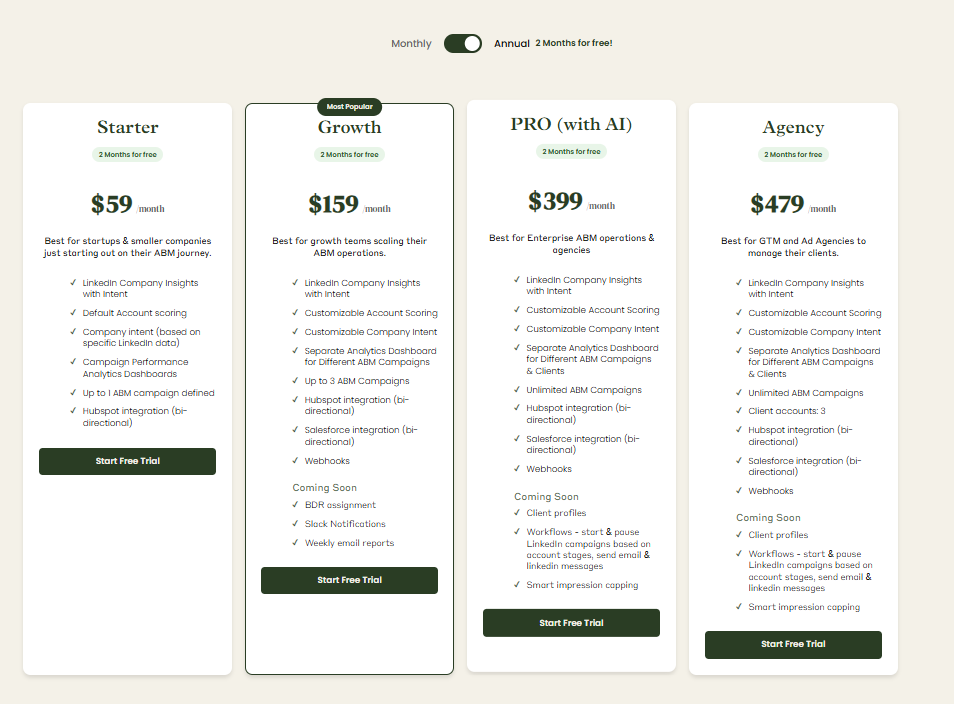
ZenABM offers account-level LinkedIn ad engagement tracking, ad engagement-to-pipeline analytics with plug-and-play dashboards, account scoring, ABM stage tracking, CRM sync, first-party qualitative intent data, automated assignment of BDRs to high-priority accounts, custom webhooks, an AI chatbot, impression capping, ABM objects, and ad engagement tracking at the job title level.
Terminus is widely described as an end-to-end ABM platform.
It is popular with B2B marketers who want a unified ABM “Engagement Hub” that spans ads, web activity and sales touchpoints.
Here are the key pieces.
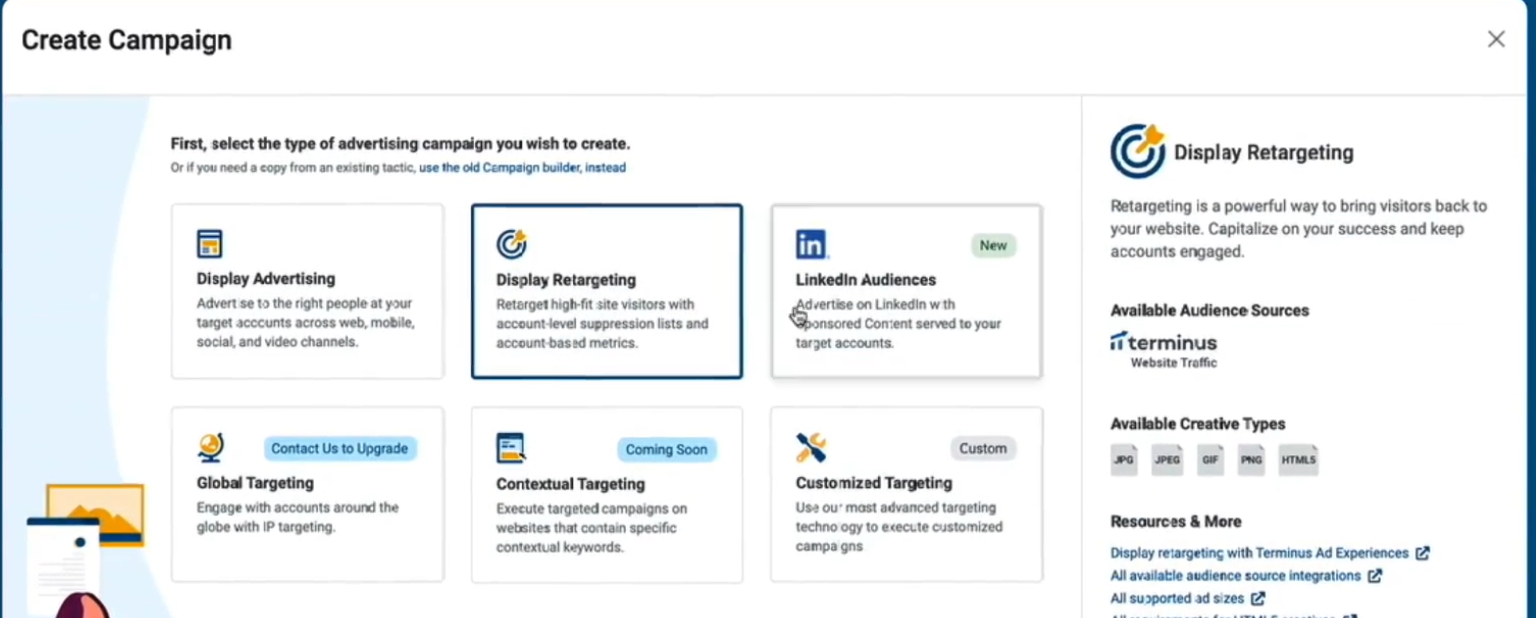
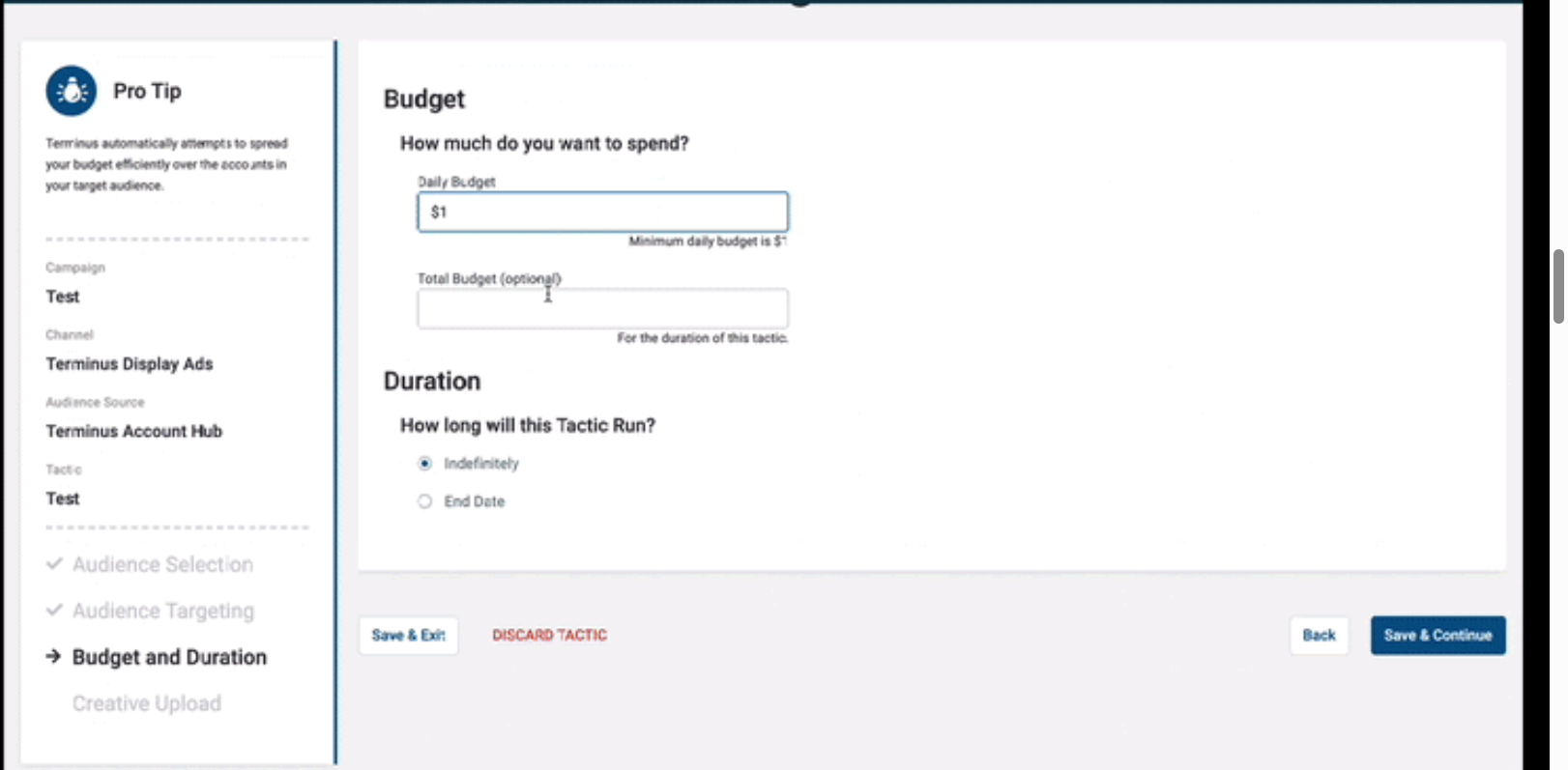
Terminus lets you plan and manage ads across multiple channels inside one platform.
This includes traditional display ads via an account-based DSP, retargeting, LinkedIn Ads and newer formats like connected TV and audio.
By centralizing media, Terminus helps you hit target accounts across web, social and other inventory from one place, while automatically balancing impressions so a few accounts do not eat all the budget.
For teams that need centralized multi-channel orchestration, Terminus can simplify how you run ABM campaigns.
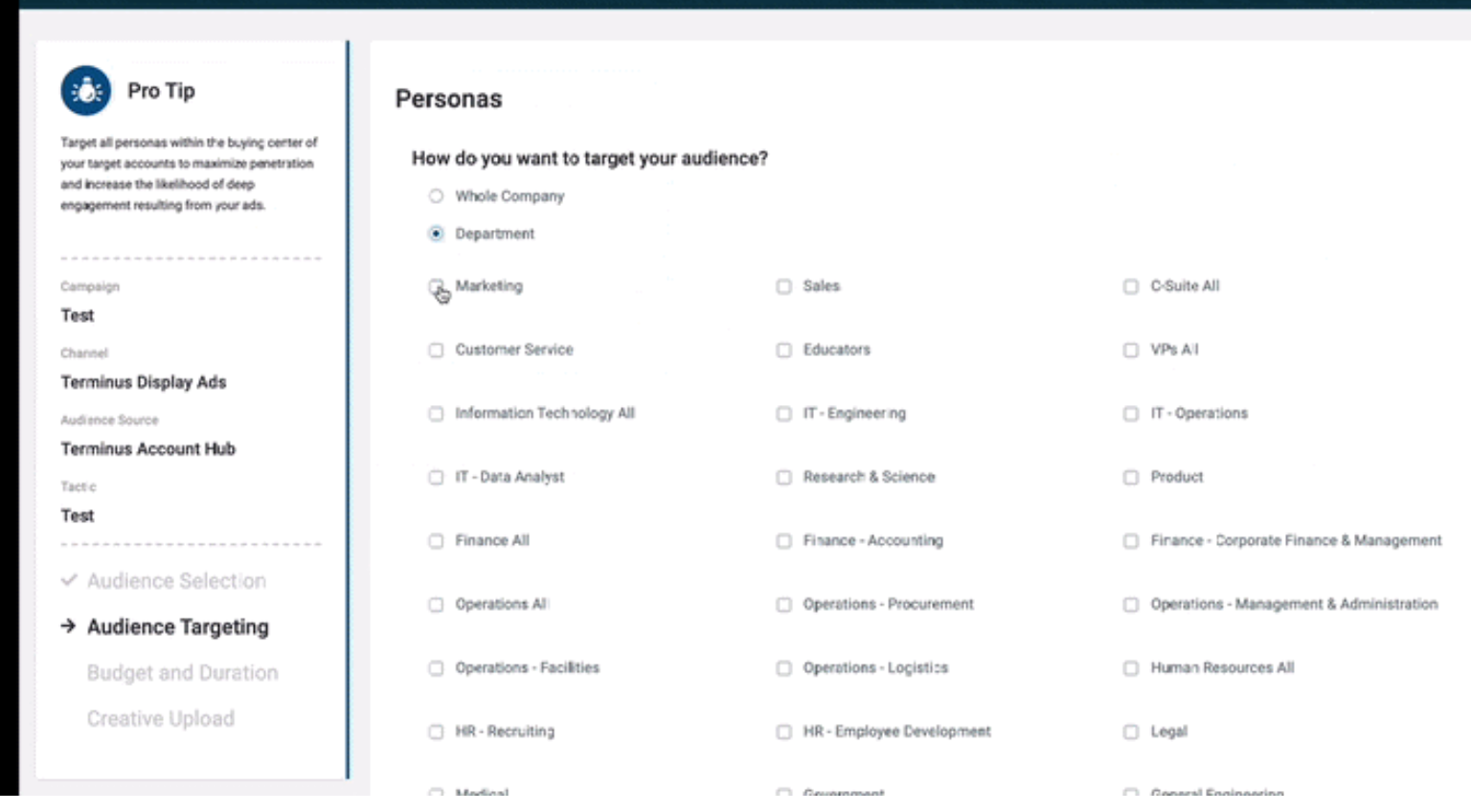
You can upload or sync target account lists from your CRM and refine audiences by persona attributes such as department, seniority or function.
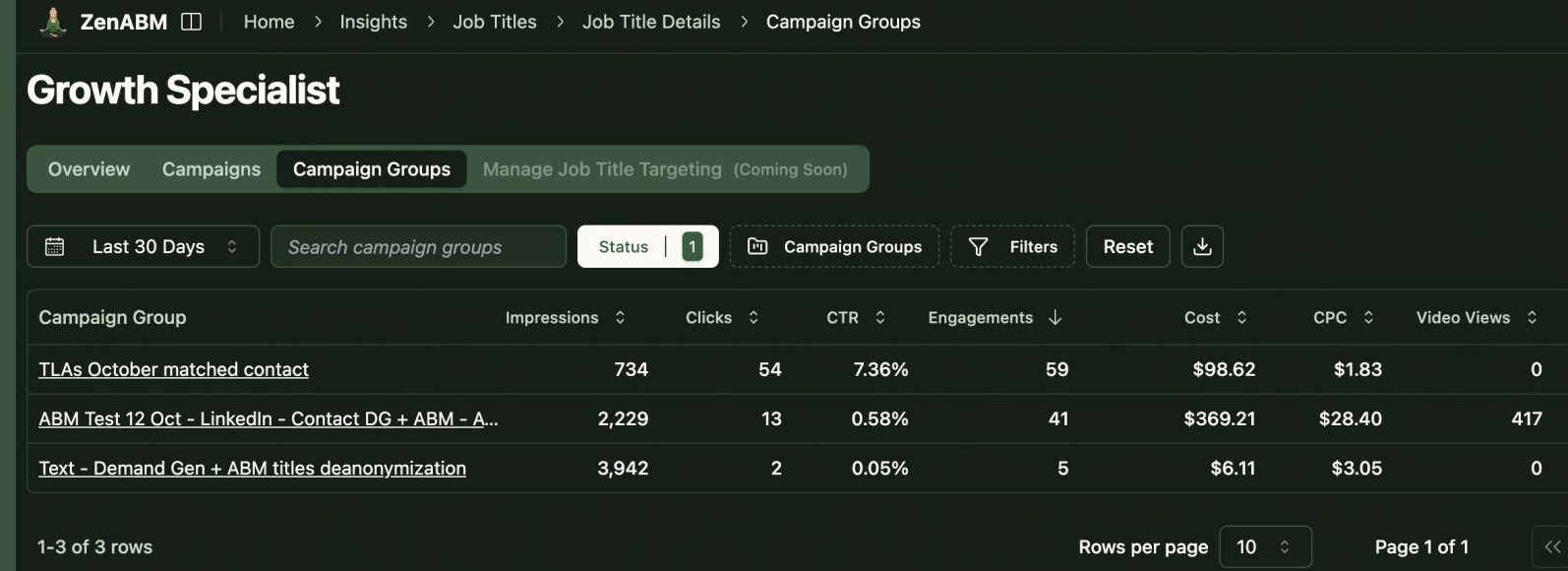
ZenABM also helps you track the personas/job titles of your LinkedIn ad viewers:
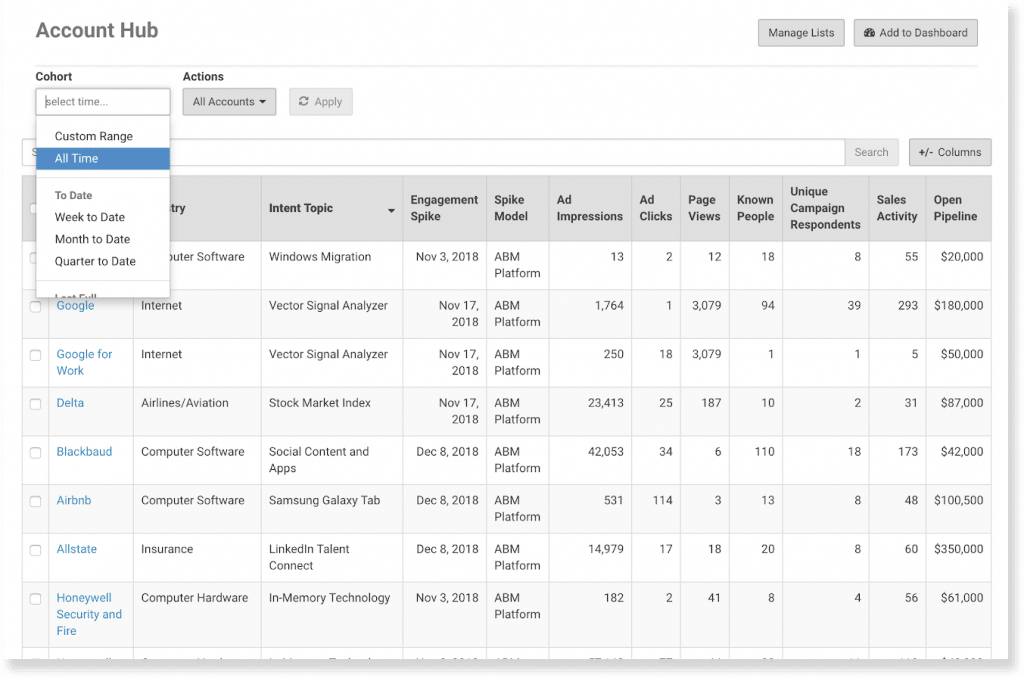
The platform tracks impressions as well as clicks at the account level.
In ABM, simply knowing that a target account repeatedly saw your ads is useful. Account Hub surfaces impressions, clicks, site visits and other engagement per account so you can see how your programs land and support account-based attribution.
ZenABM also gives company-level engagement data for each LinkedIn ad campaign and campaign group.

You get:
Terminus includes Visitor ID to de-anonymise website traffic.
It uses reverse IP lookup, cookies and CRM matching to figure out which companies (and sometimes which known contacts) are on your site.
If an anonymous visitor later fills a form, Terminus can connect that history back to the account. It also maps CRM leads to sessions by email domain, so you know, for example, when a director from Acme Corp visited the pricing page.
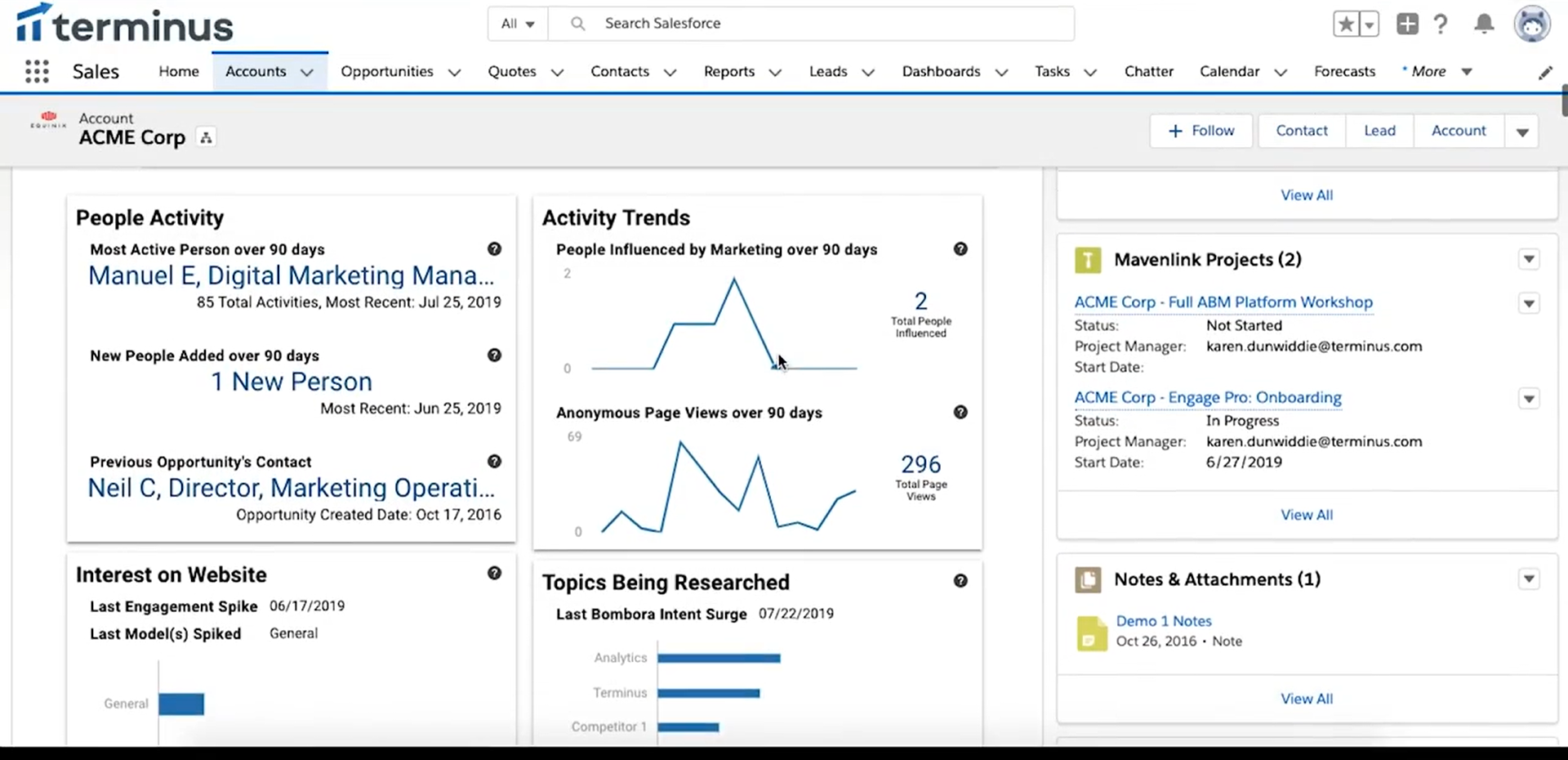
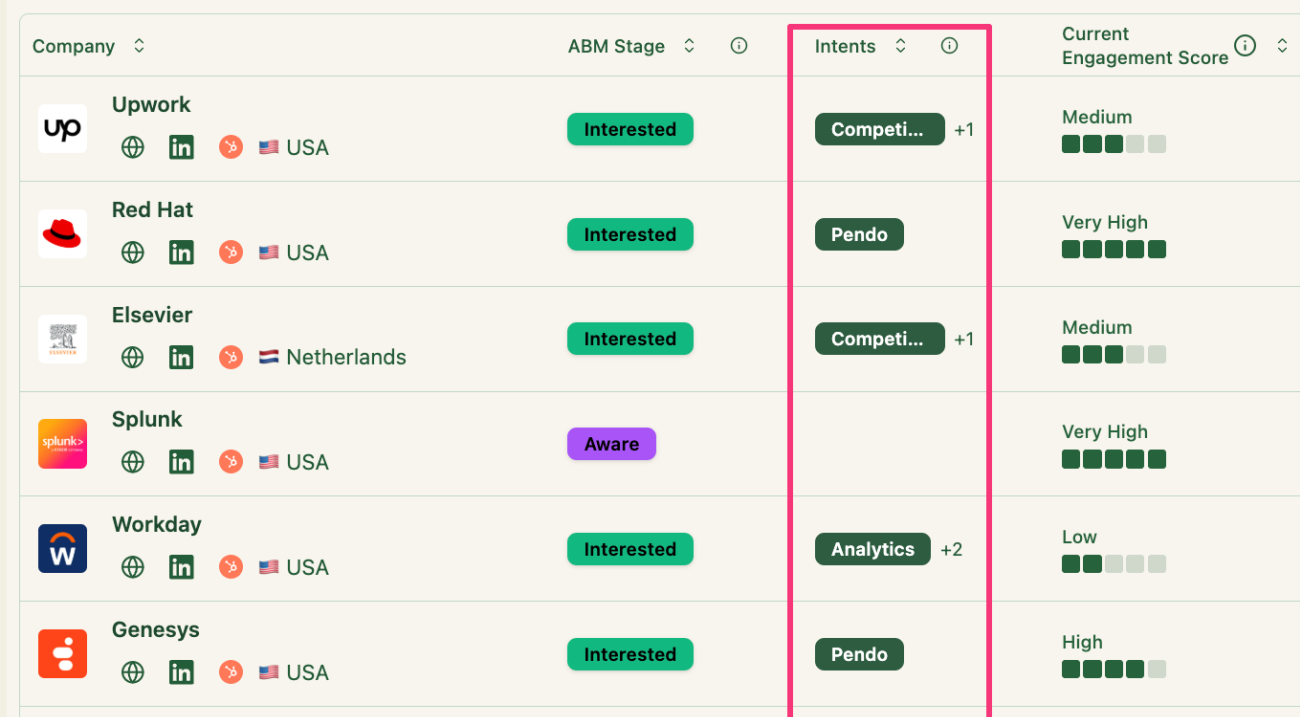
Terminus integrates intent data from providers such as Bombora to highlight in-market accounts so you can prioritize spend on companies that show strong research behavior.
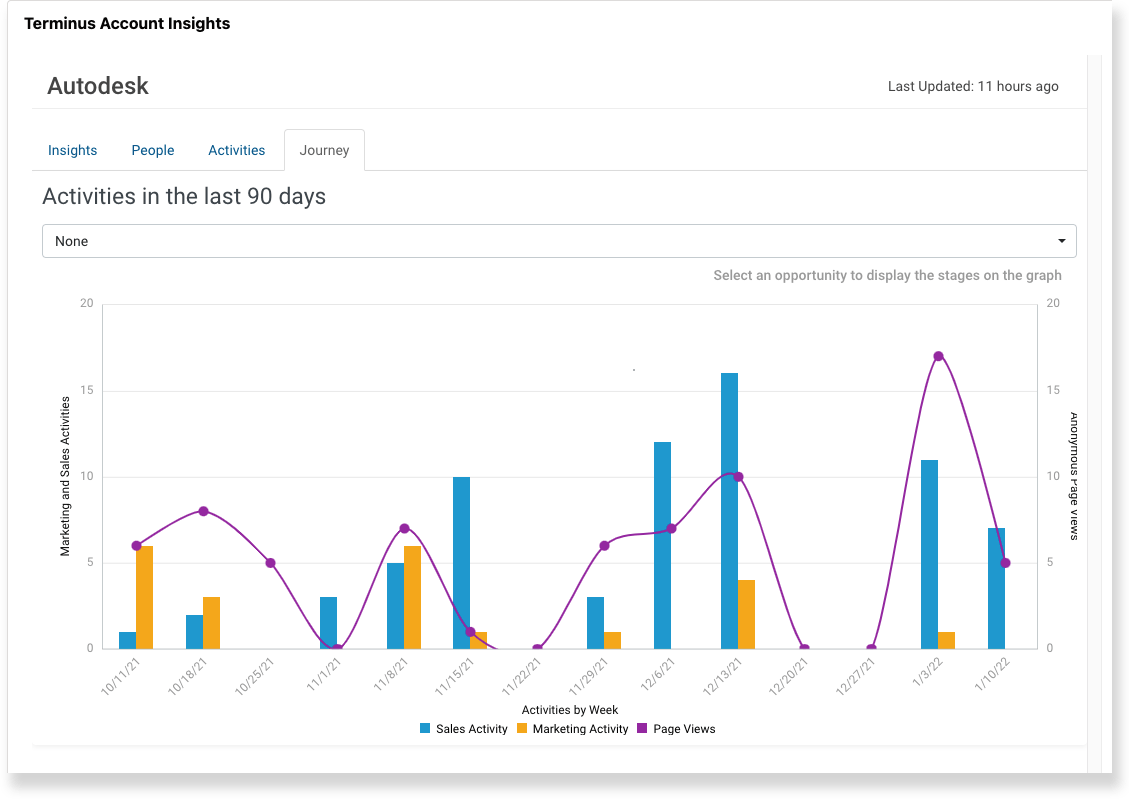
Measurement Studio in Terminus (supported by the BrightFunnel acquisition) handles multi touch attribution at the account level.
It lets marketers see how ads, emails, website sessions, events and other touches influence pipeline and revenue using first touch, last touch and custom models.
All of this rolls into an account journey view so you can see how an opportunity moved from early engagement to closed won.
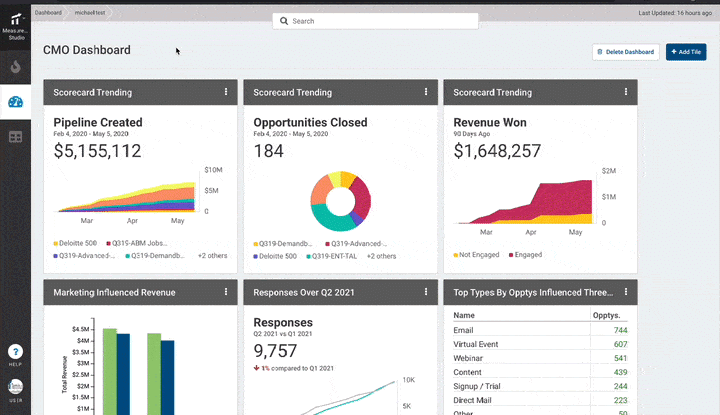
Terminus also provides ready-made ABM dashboards that show revenue, opportunities, pipeline influence, top engaged accounts and similar metrics, plus topic-based views for discovering new opportunities.
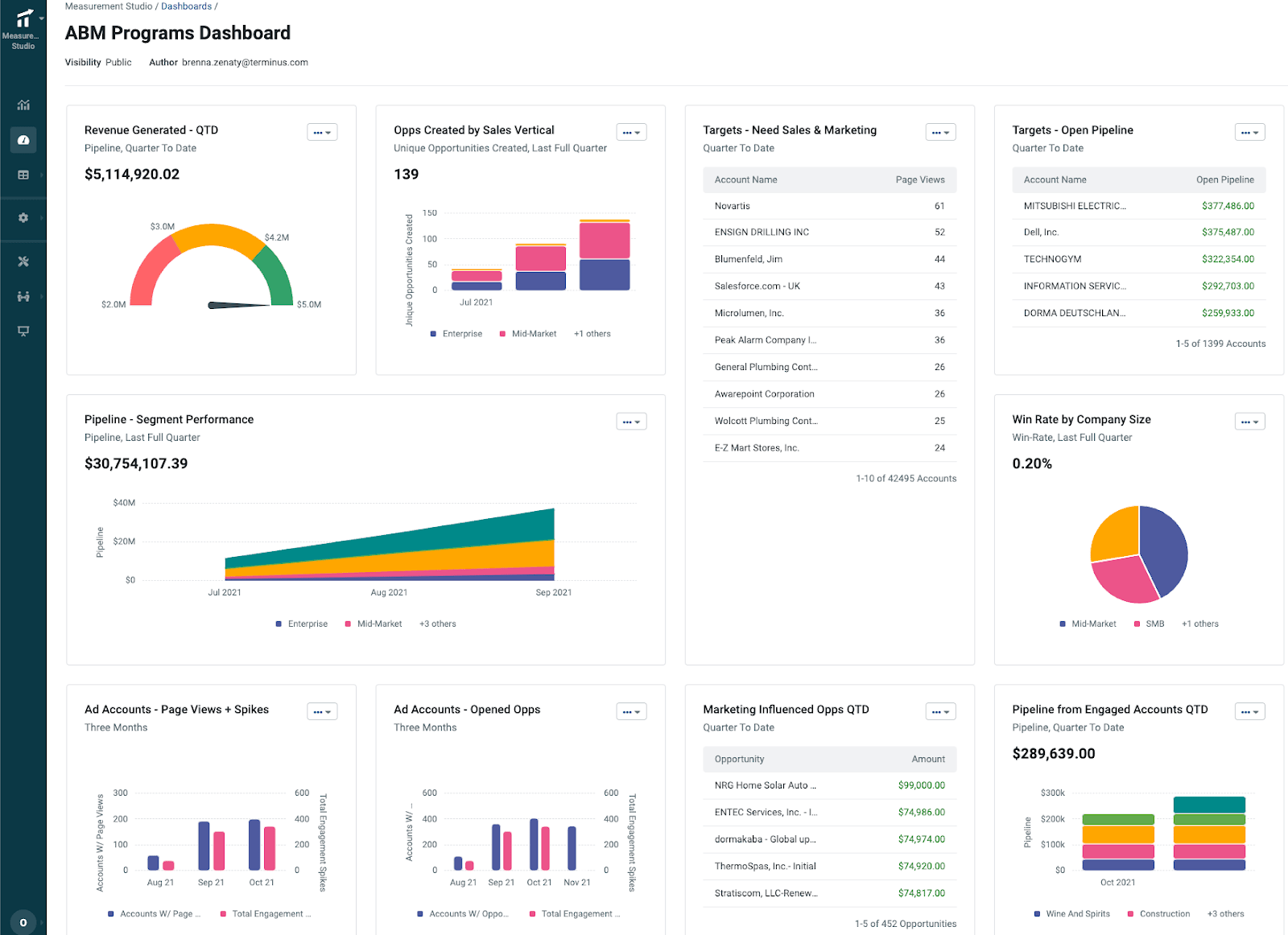
Terminus plugs into a wide range of B2B tools.
There are built-in connectors for major CRMs (Salesforce, HubSpot, Microsoft Dynamics), marketing automation platforms (Marketo, Pardot, HubSpot Marketing Hub, Eloqua), ad channels (LinkedIn Ads, Google Ads), sales tools (Outreach, Salesloft and others), analytics (Google Analytics, Adobe Analytics, PathFactory), data providers (Bombora, G2 intent, Clearbit or DemandScience) and more.
You can dig through the full list in the Terminus docs.
ZenABM provides built-in integrations with CRMs like HubSpot and Salesforce.
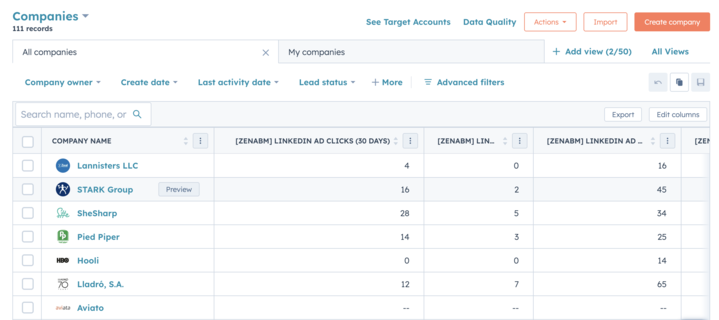
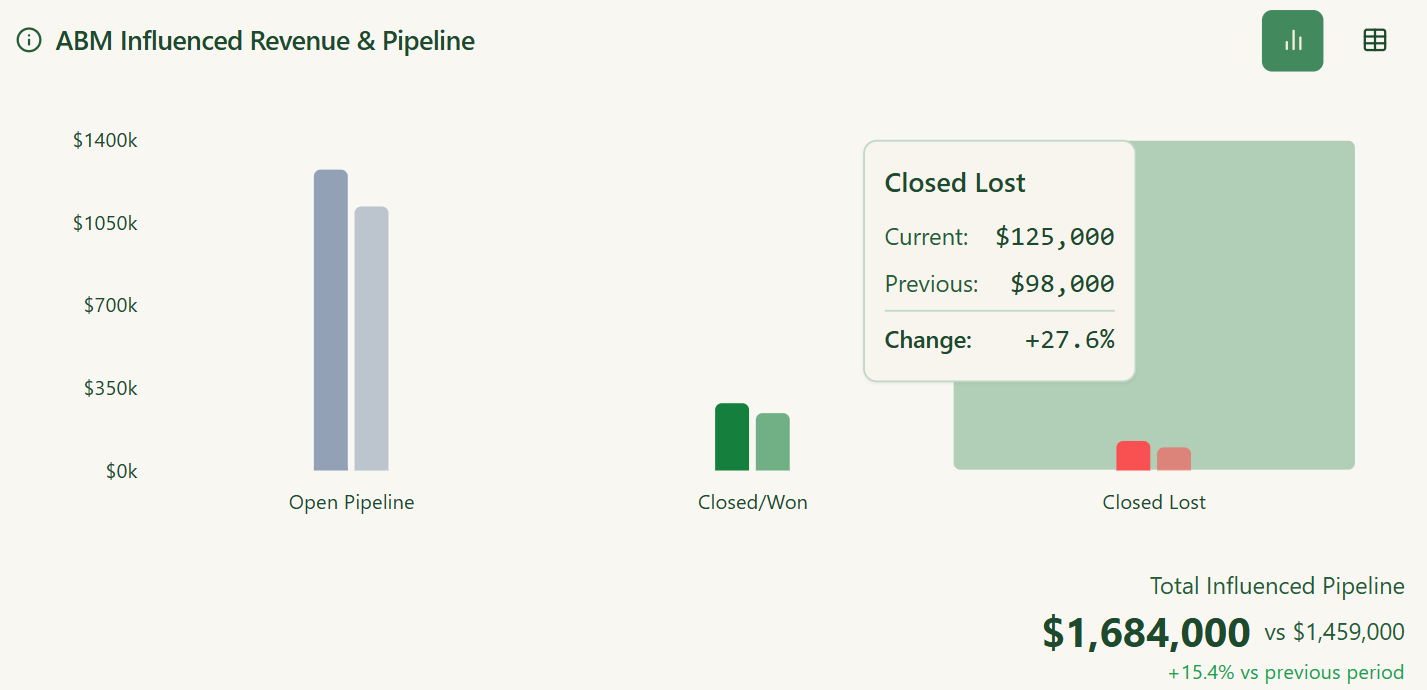
Terminus pricing is premium and custom-quoted.
There is no public price card; you have to speak with sales.
Most research suggests deals land in the mid five figures per year and can climb into six figures for large enterprises.
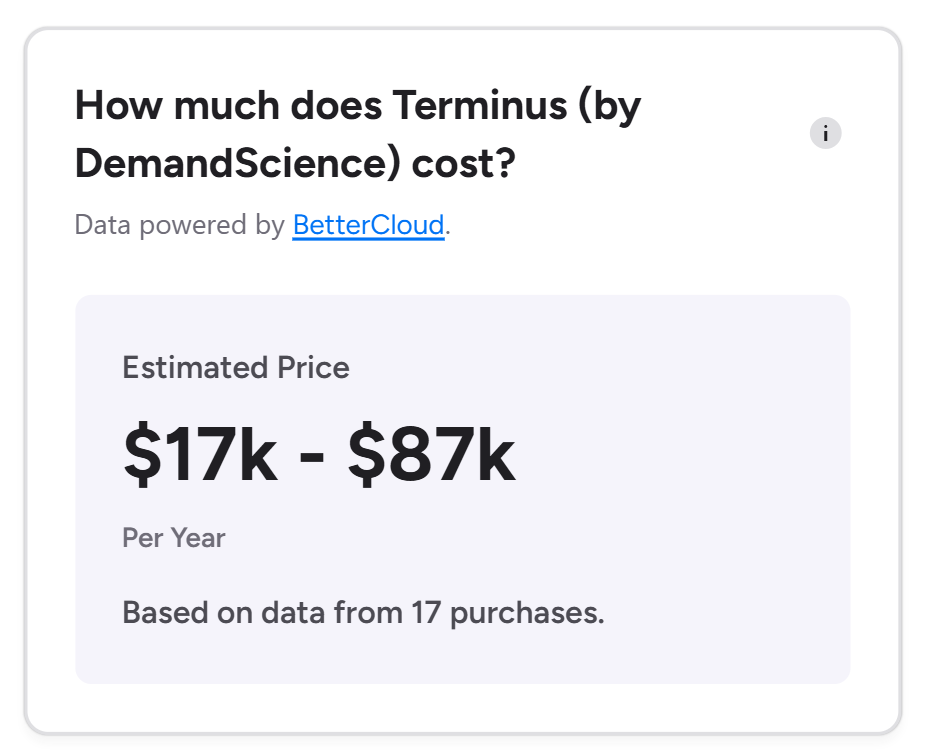
Vendr puts the median Terminus price at about $23,000 per year, with some large customers paying $100K to $250K or more annually.
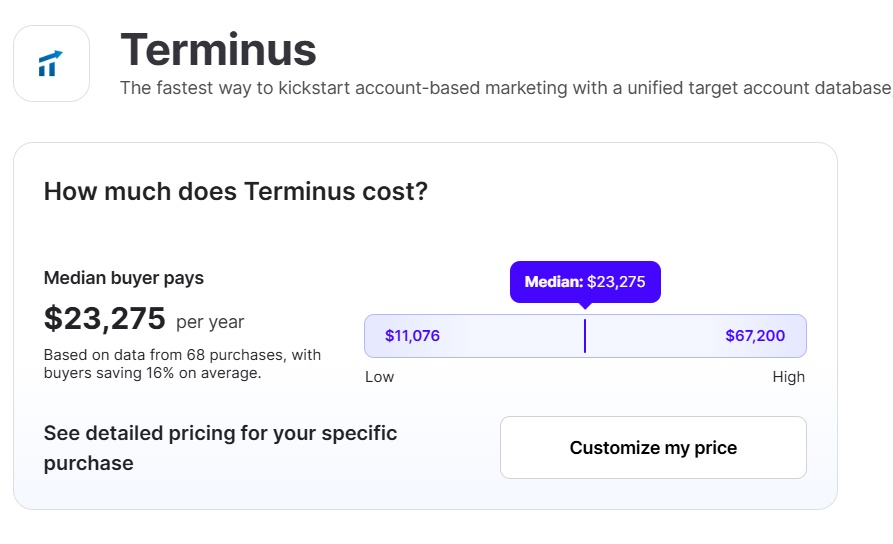
CMO.com suggests starting costs around $57,500 per year, with contracts up to $266,000, and G2 reviews point to a broad range between $18,000 and $87,000. Overall, pricing is not friendly to very small teams with tight budgets.
ZenABM, on the contrary, starts at just $59/mo.
On sites like Trustradius, Infotech.com and Software Finder, users praise Terminus for a solid UX and broad ABM coverage.
Common complaints include cost, limits on accounts per campaign, some reporting gaps and occasional integration friction with HubSpot.
LinkedScope vs. Terminus differences are summarized here (along with ZenABM for perspective).
| Dimension | LinkedScope | Terminus | ZenABM |
|---|---|---|---|
| Core Role | LinkedIn Ads attribution and analytics | ABM orchestration platform | LinkedIn-first ABM analytics and workflows |
| Primary Data Source | LinkedIn Ads API | Engagement plus third-party intent | LinkedIn Ads API plus CRM data |
| Intent Philosophy | Engagement-derived intent index | Predictive keyword and behavior intent | Observed company-level ad engagement |
| Third-Party Intent Dependency | None | High | None |
| LinkedIn Depth | Deep analytics only | One channel among many | Native and exclusive focus |
| Ad Execution | No | Yes, multi-channel | No |
| Account-Level Visibility | Company reach and engagement | Account hubs across channels | Granular company and campaign views |
| Persona or Job Title Insights | Yes | Limited | Yes, with engagement depth |
| ABM Stage Tracking | No | Yes | Fully configurable |
| Engagement Scoring | Proprietary intent index | Predictive scores | Real-time engagement scores |
| Revenue Attribution | LinkedIn-influenced revenue | Multi-touch attribution | Pipeline, revenue and ROAS per company |
| CRM Sync Depth | One-way and webhook-based | Deep but complex | Bi-directional and operational |
| Sales Enablement | Prospect lists | Dashboards and insights | Automatic BDR routing |
| AI Capabilities | Basic recommendations | Predictive modeling | Natural language analytics via Zena |
| Time to Value | Fast | Slow | Fast |
| Operational Overhead | Low | High | Low |
| Typical Annual Cost | Unknown | $20K–$250K+ | $59–$6K |
| Best Fit | LinkedIn-first attribution teams | Enterprise ABM programs | LinkedIn-first ABM teams |
After we have discussed LinkedScope vs. Terminus for ABM, let’s visit the third option: ZenABM.
ZenABM is built for teams that rely on LinkedIn as the primary ABM channel and want first-party accuracy, automation, and revenue visibility without the price or complexity of multi-channel suites.
Let’s look at its core features:
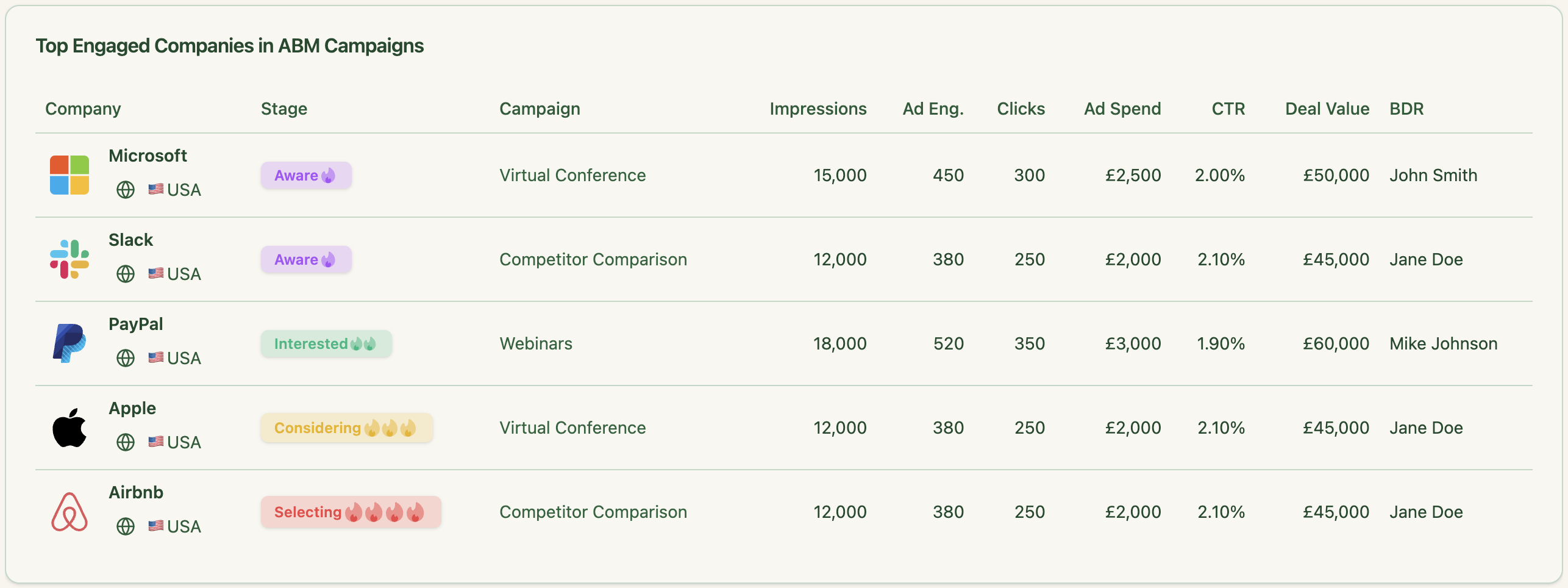
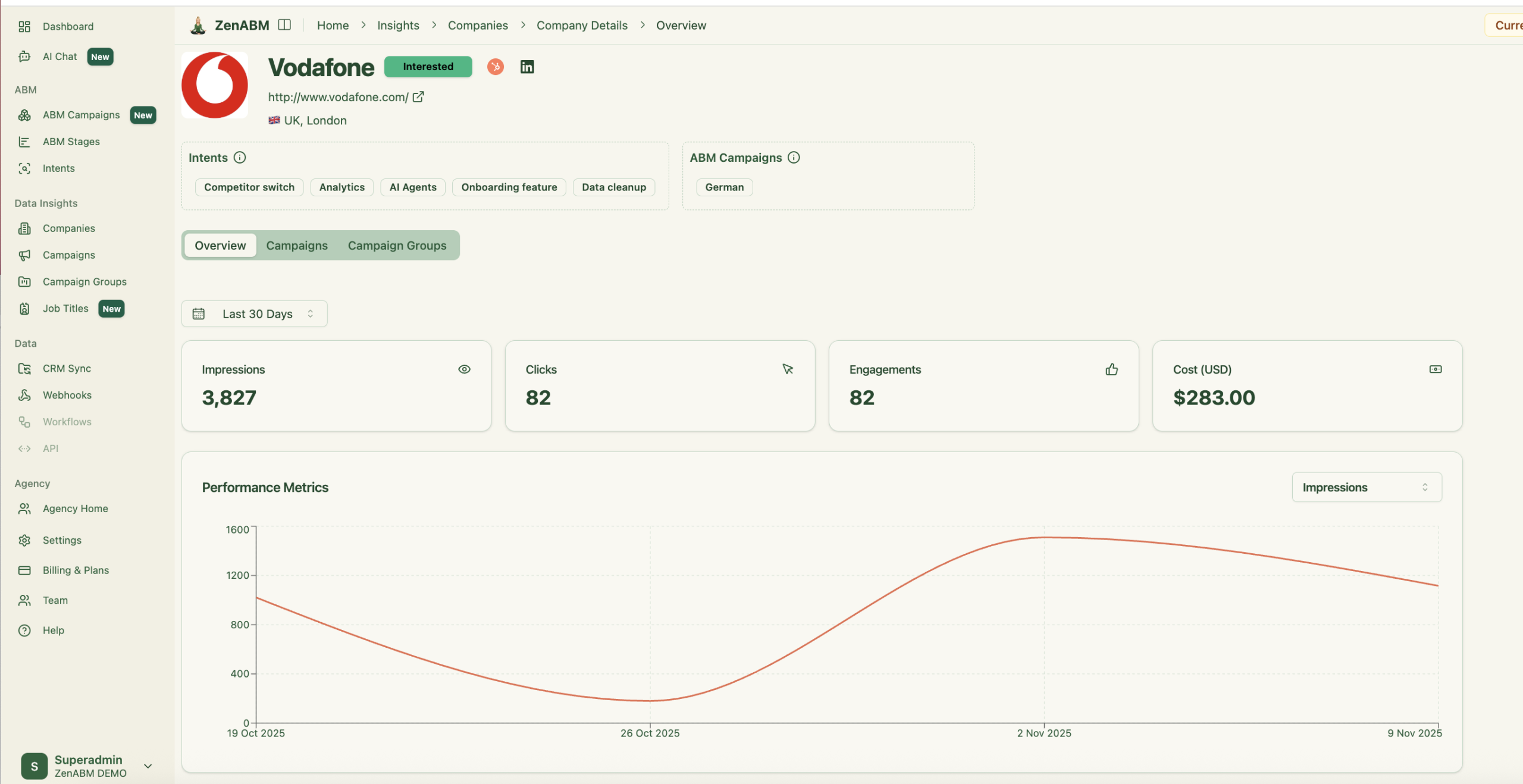
ZenABM connects to the official LinkedIn Ads API and captures account-level data for all campaigns so you can see which companies see, click, and engage with your ads.
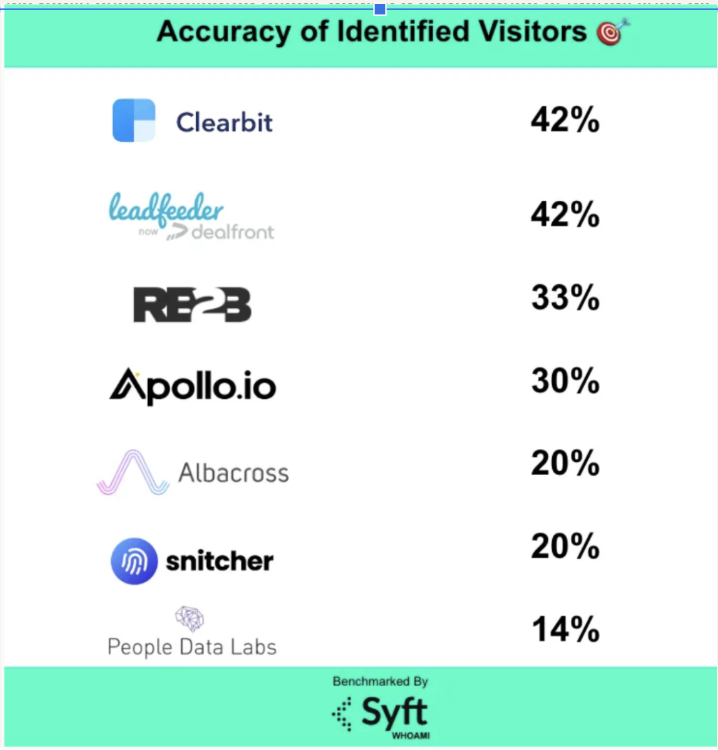
Because this is first-party data from LinkedIn’s environment, it is more reliable than IP or cookie-based visitor ID.
A Syft study puts IP-based identification at around 42 percent accuracy.
ZenABM treats LinkedIn ad engagement itself as first-party intent. When several people in one company keep engaging with your ads, that is a strong buying signal without rented intent feeds.
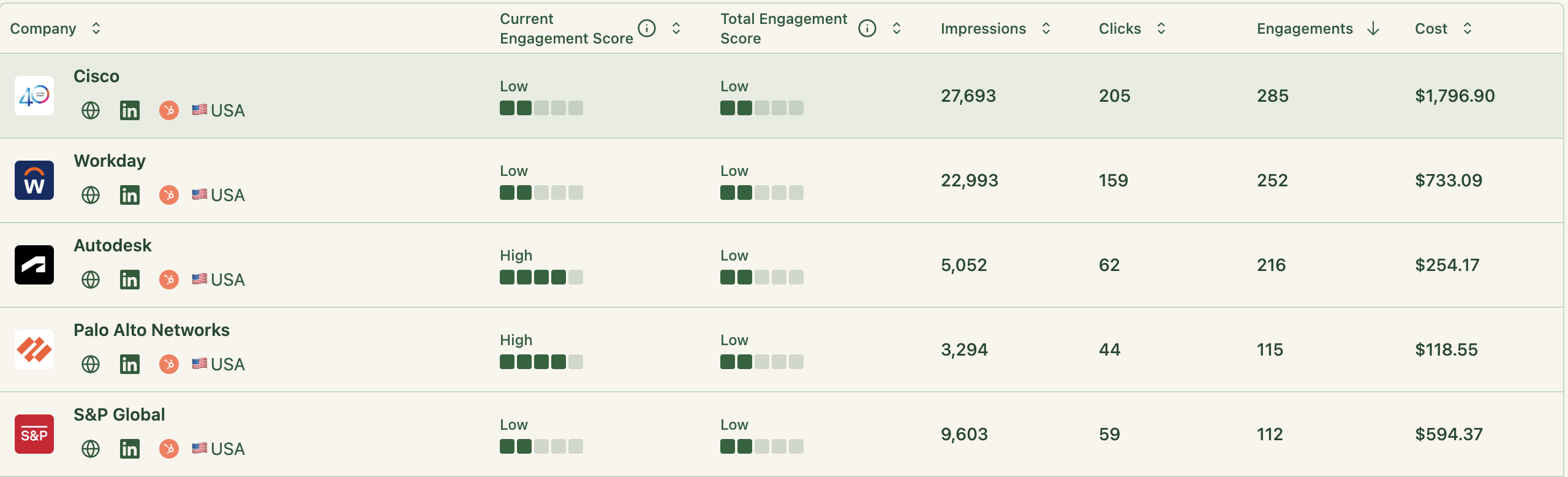
ZenABM updates engagement scores as accounts interact with your ads across campaigns, so you can see who is heating up over short or long windows and let marketing and sales prioritize accounts that show real intent.
ZenABM also shows the full touchpoint timeline for each company:
ZenABM lets you define stages such as Identified, Aware, Engaged, Interested, and Opportunity and automatically places accounts in the right stage using scores and CRM data.
You control thresholds, and ZenABM tracks movement over time.
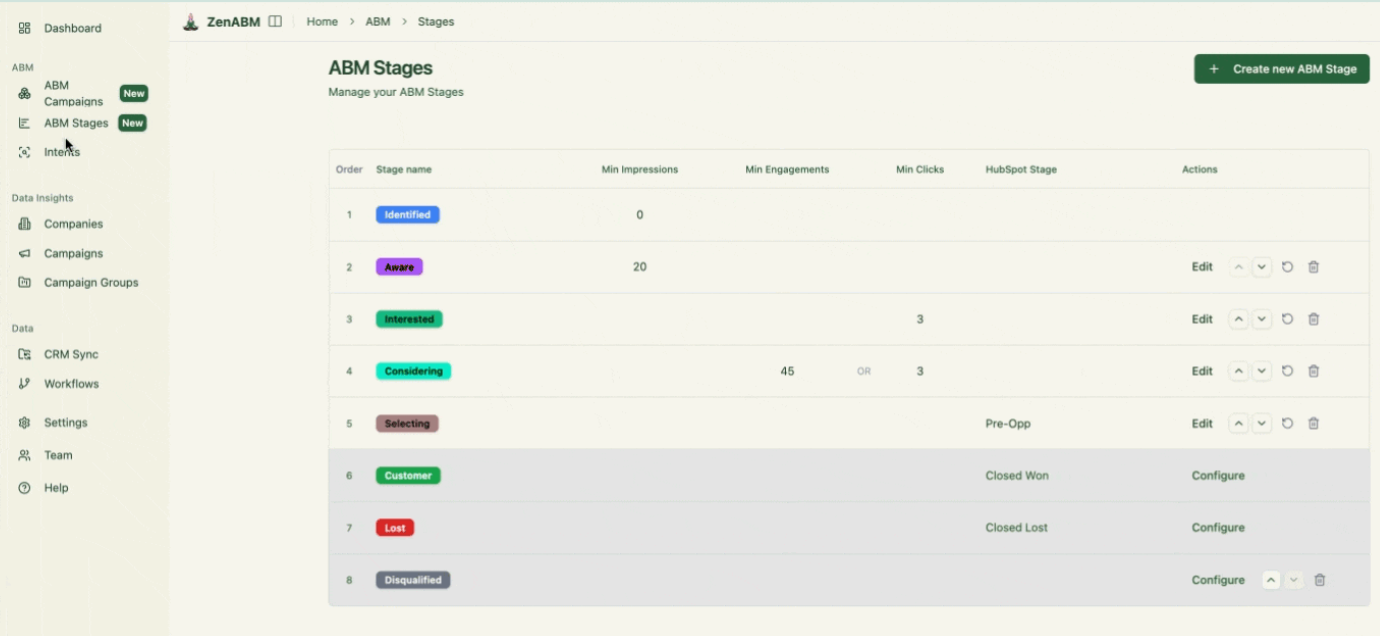
This gives you funnel visibility similar to larger suites, but powered by LinkedIn data.
ZenABM integrates bi-directionally with CRMs like HubSpot and adds Salesforce sync on higher tiers.
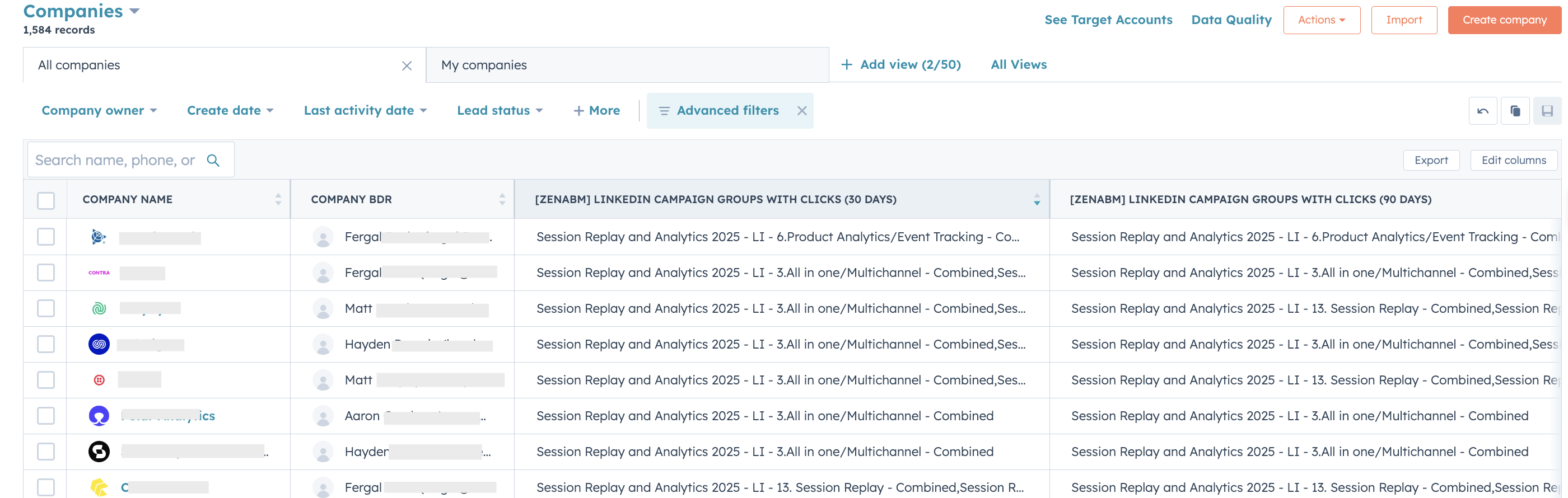
LinkedIn engagement data flows into the CRM as company-level properties:
Once an account crosses your score threshold, ZenABM updates the stage to Interested and automatically assigns a BDR.
ZenABM lets you derive intent topics from LinkedIn campaigns by tagging campaigns by feature, use case, or offer.
ZenABM then shows which accounts engage with which themes.
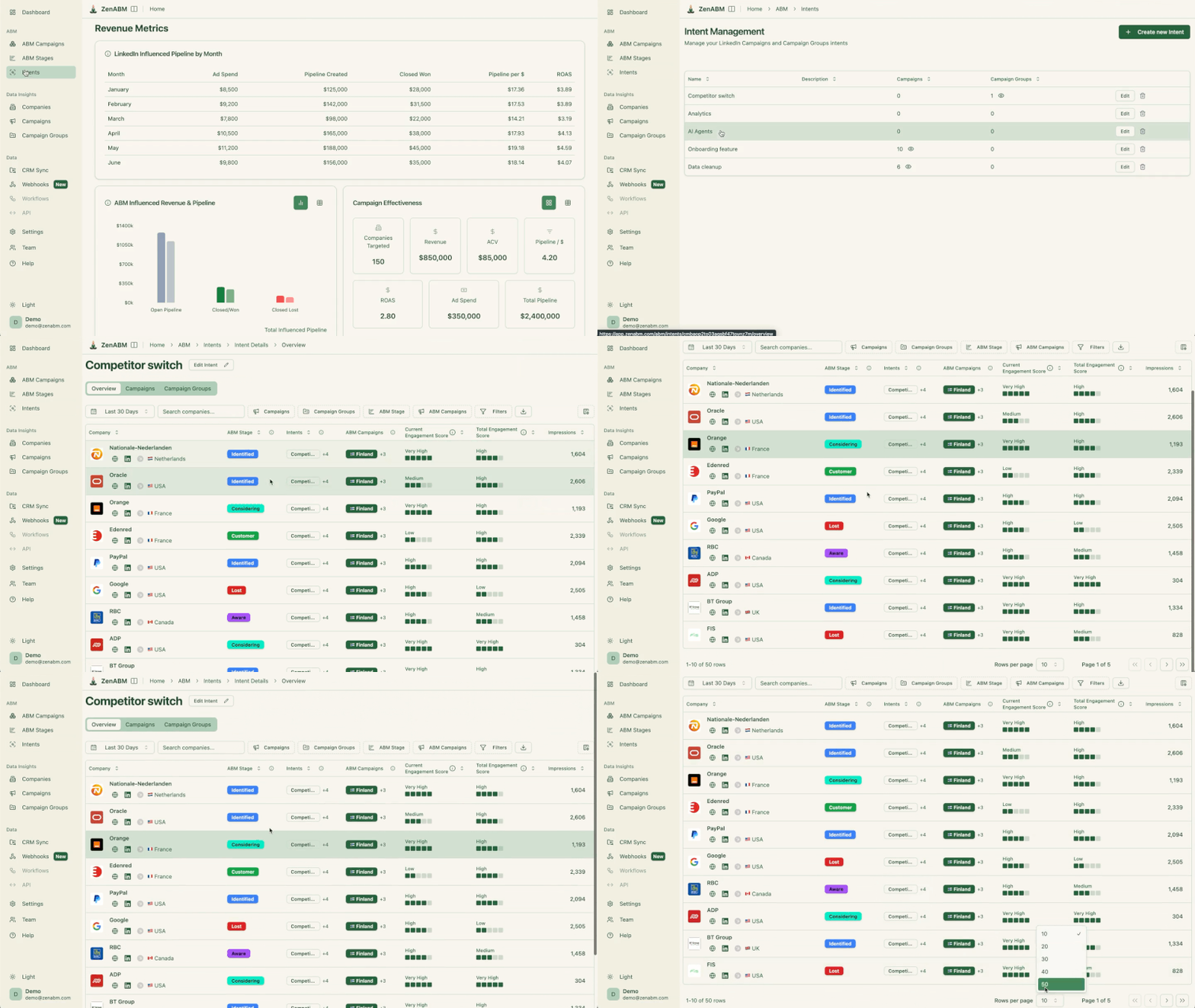
This is clean, first-party intent from owned interactions.
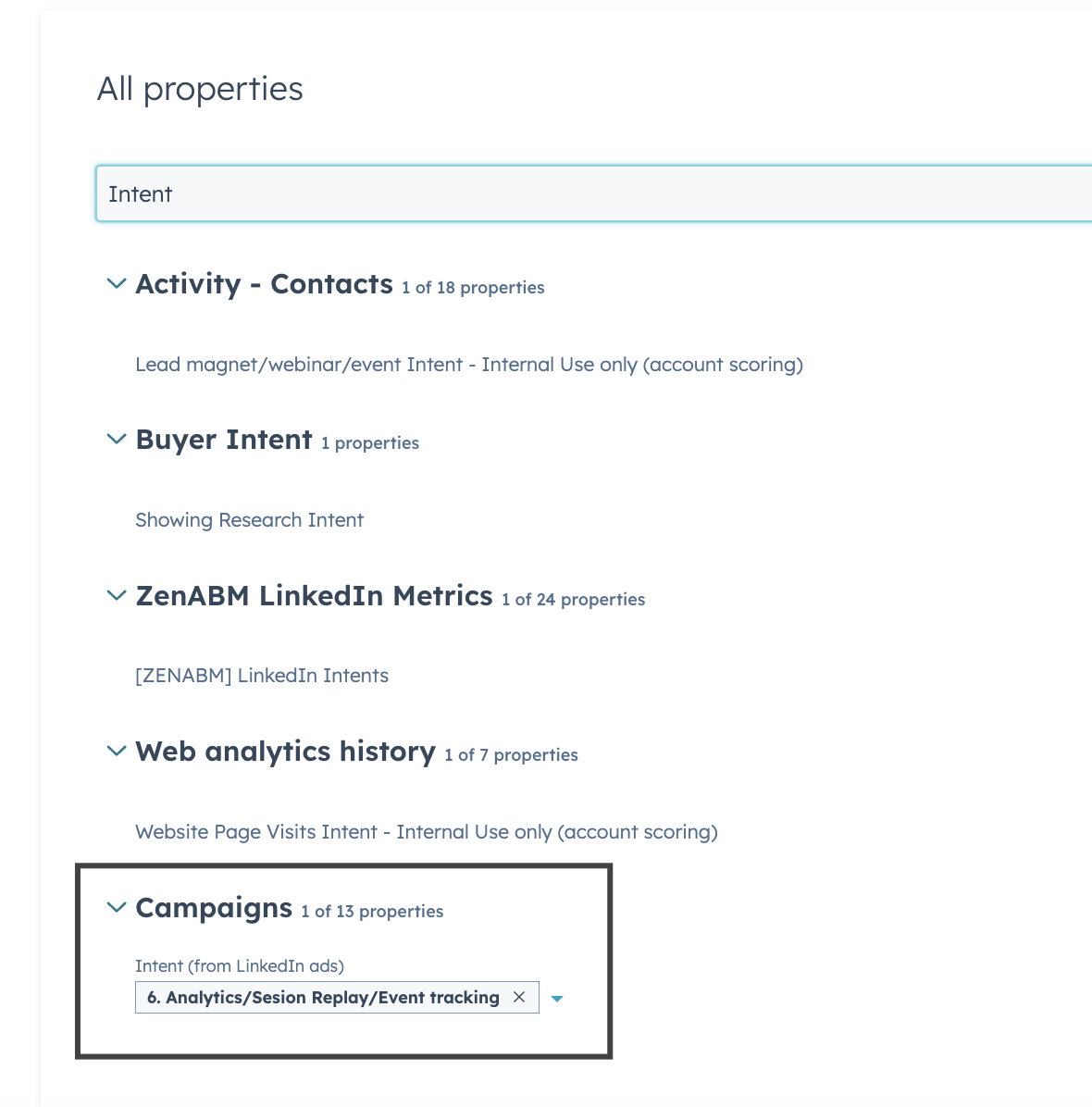
You can push these topics into your CRM, so sales and marketing can tailor outreach to what each company has actually explored.
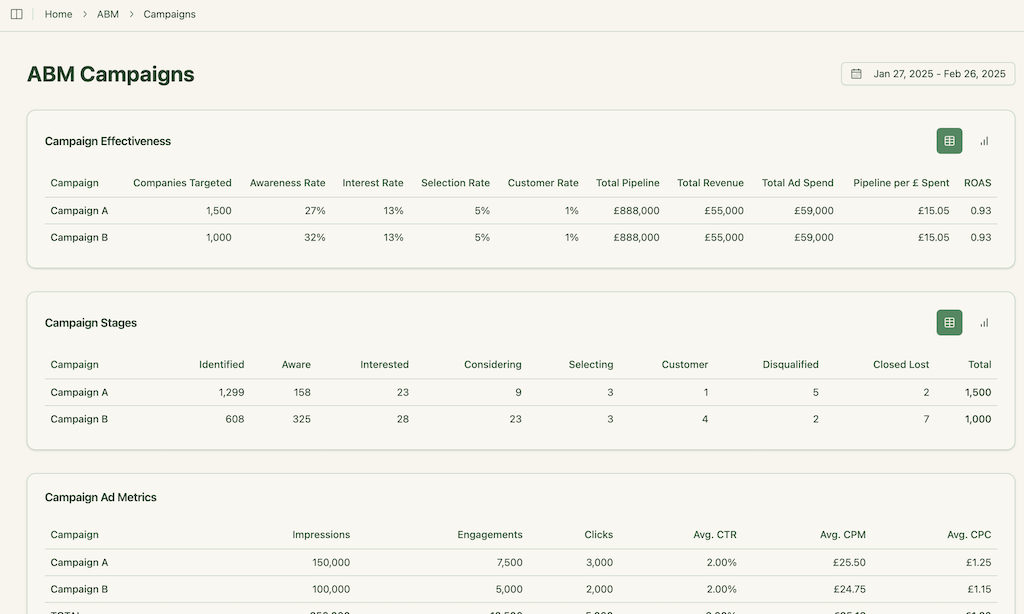
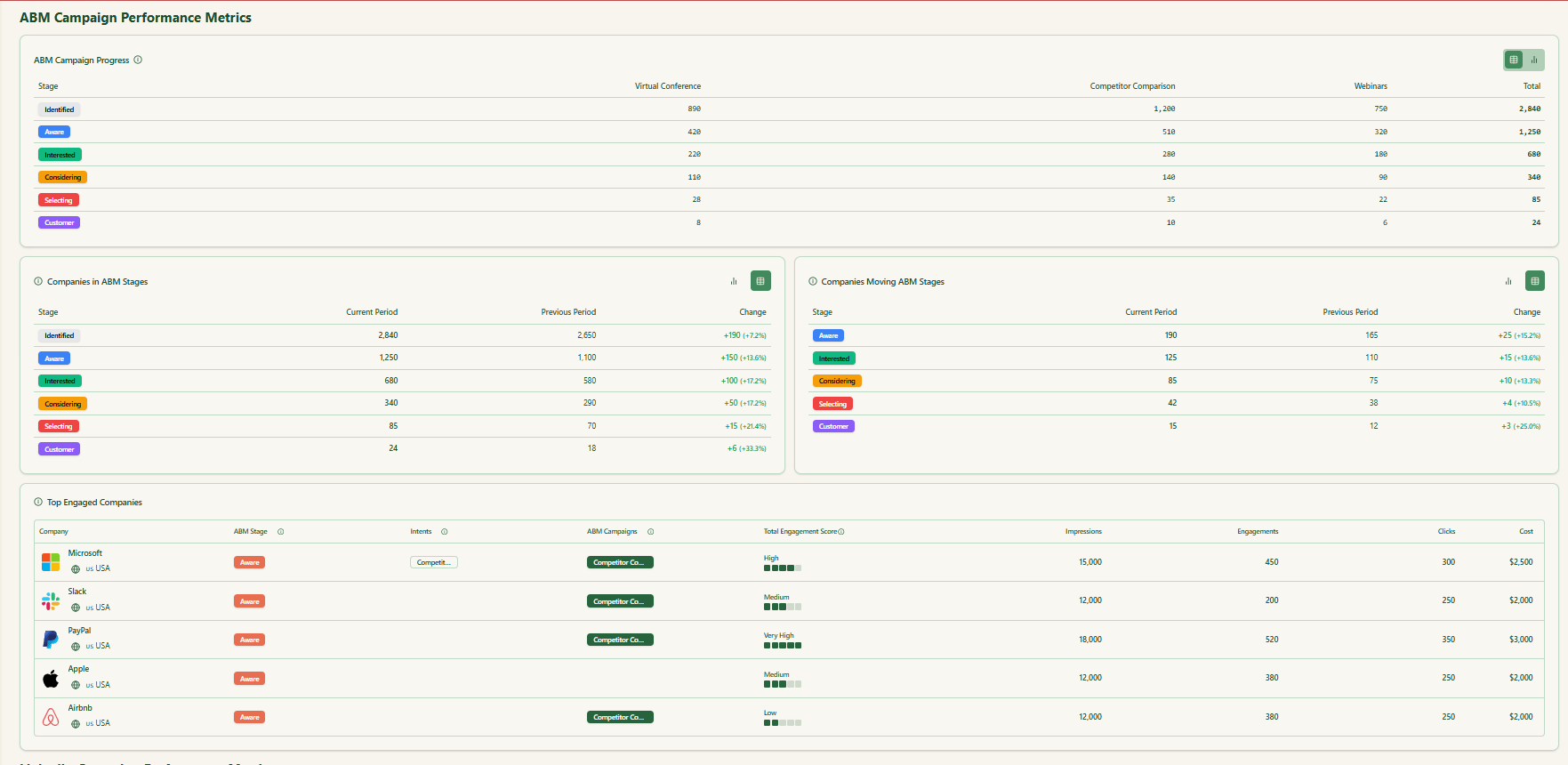
ZenABM ships with dashboards that connect LinkedIn ads to account engagement, stage movement, and revenue.
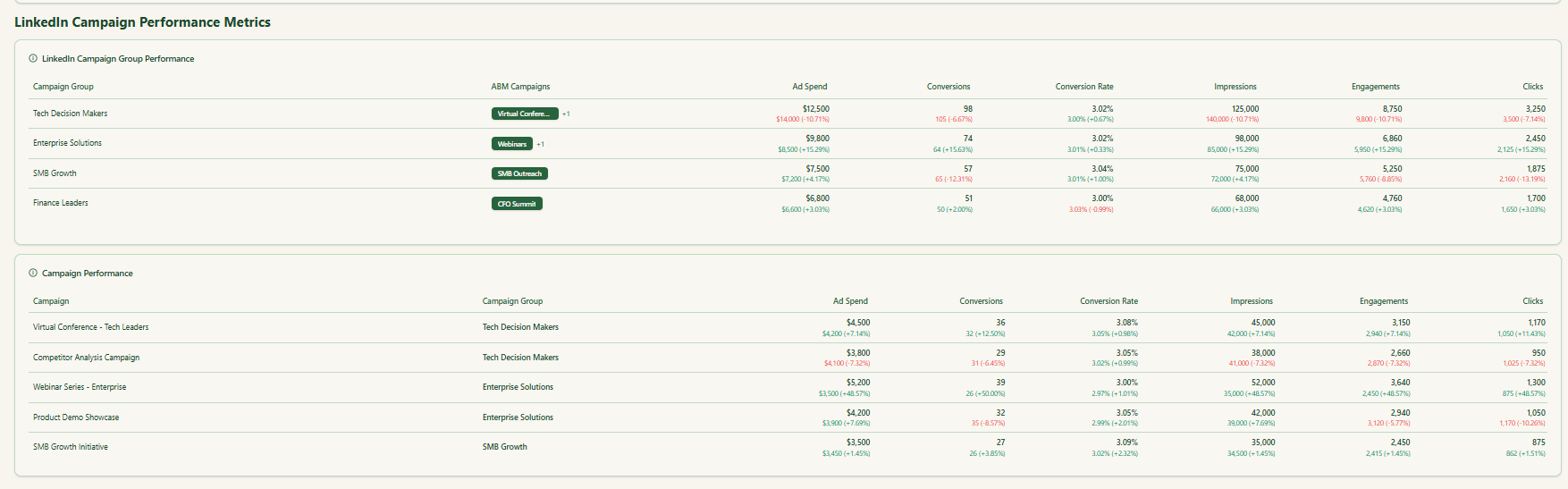
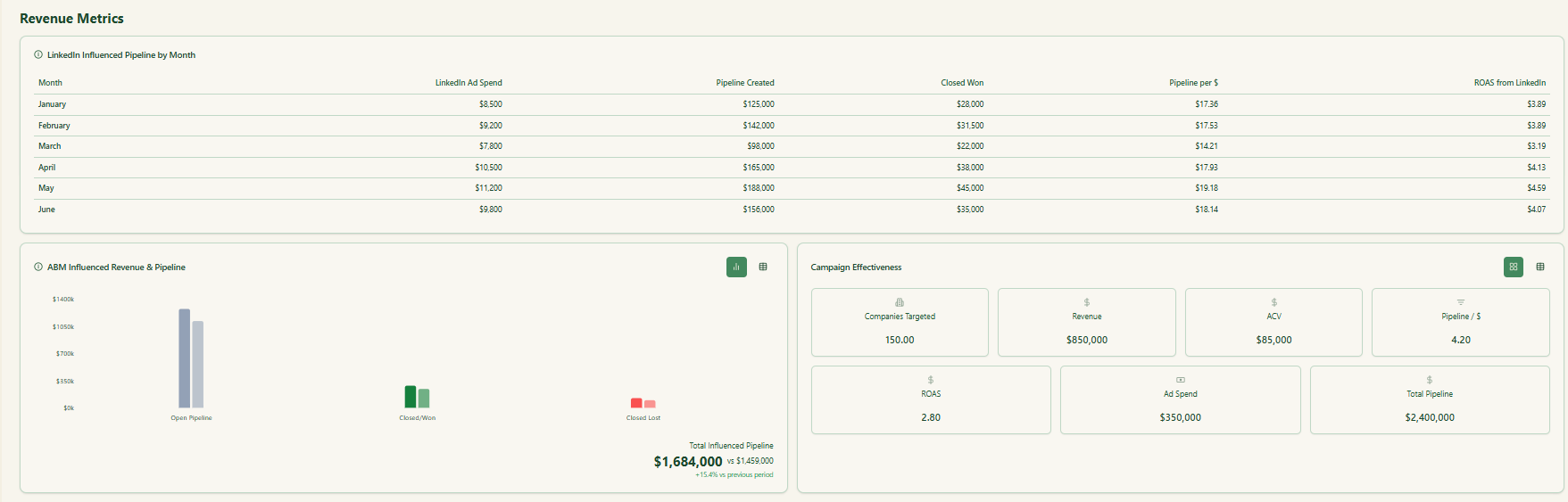
ZenABM shows which job titles engage with your creatives and gives dwell time and video funnel analytics.
ZenABM provides its AI chatbot called Zena that basically answers all you want from ZenABM in natural language.
You can ask Zena open-ended questions like you would a smart analyst and get company-level answers about:
Under the hood, Zena combines OpenAI with a library of carefully designed prompts and endpoints to join ad engagement, spend and CRM deals so it can explain which campaigns drove pipeline, which accounts turned into opportunities, which formats perform best and which companies are high intent but untouched by sales.
Instead of exporting spreadsheets and stitching pivot tables, you get plain language insights, ready to drop into strategy reviews, weekly sales standups or executive updates.
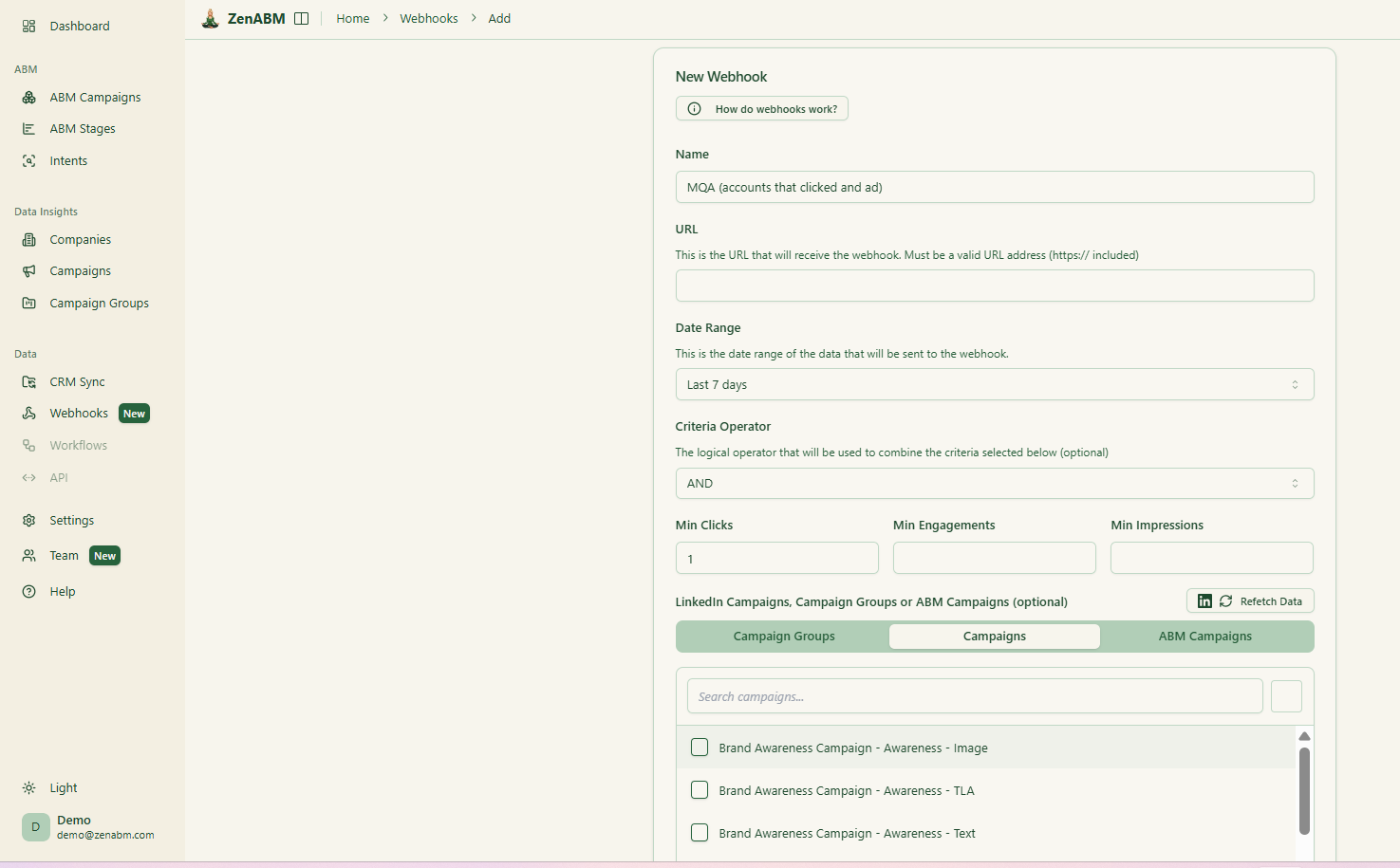
ZenABM’s custom webhooks let you push events into your stack, for example, Slack alerts, enrichment flows, or other ops automations.

Most tools treat each LinkedIn campaign separately. ZenABM lets you group several into one ABM campaign object so you can see performance across regions, personas, or creative clusters.
Instead of juggling fragmented reports in Campaign Manager, you see spend, pipeline, account movement, and ROAS for the entire initiative.
For agencies, ZenABM offers a multi-client workspace.
You can manage multiple ad accounts and clients in one environment, each with its own ABM strategy, dashboards, and reporting, instead of constantly switching accounts in Campaign Manager.
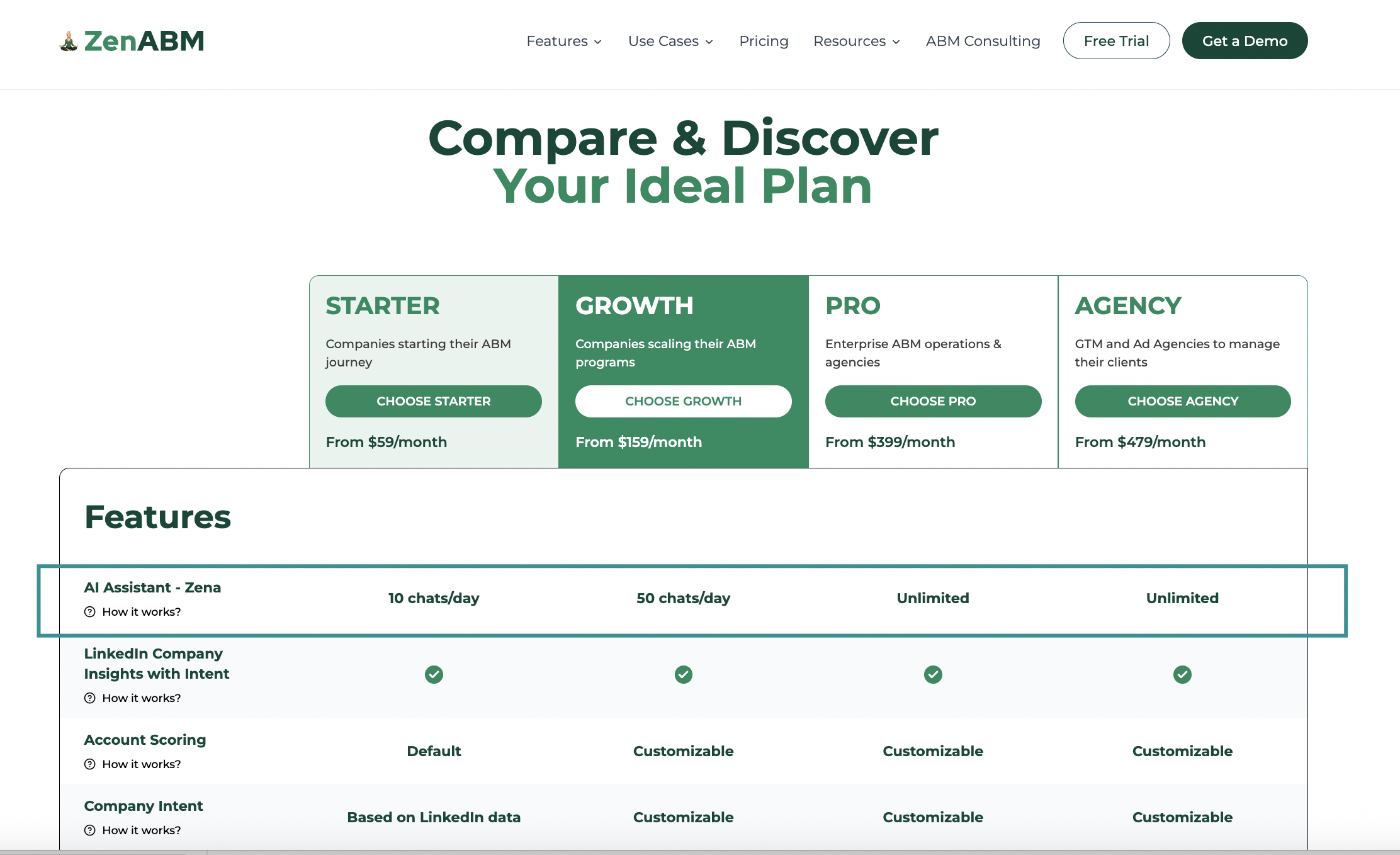
ZenABM pricing details:
Choose LinkedScope if your world revolves around LinkedIn Ads and your main question is attribution. It is for teams who want to answer, “Which companies did we reach and did they turn into pipeline?” without touching multi-channel complexity.
Choose Terminus if you are running a mature, multi-channel ABM motion with the budget, ops muscle, and patience to manage a large platform. It shines when ads, web, email, and sales engagement all need orchestration under one roof.
Choose ZenABM if LinkedIn is your primary ABM channel and you want more than attribution slides. ZenABM focuses on:
ZenABM sits between LinkedScope and Terminus.
It goes deeper than LinkedScope by turning engagement into workflows and revenue visibility, and it stays far leaner than Terminus by avoiding multi-channel bloat.
