



In this guide, I have compared Dreamdata vs. Linklo on features, pricing and ABM fit so your marketing and sales teams can quickly see which platform aligns with their ABM motion.
I have also discussed how ZenABM can work as a lean LinkedIn-first alternative or serve as a complementary layer due to its unique features.

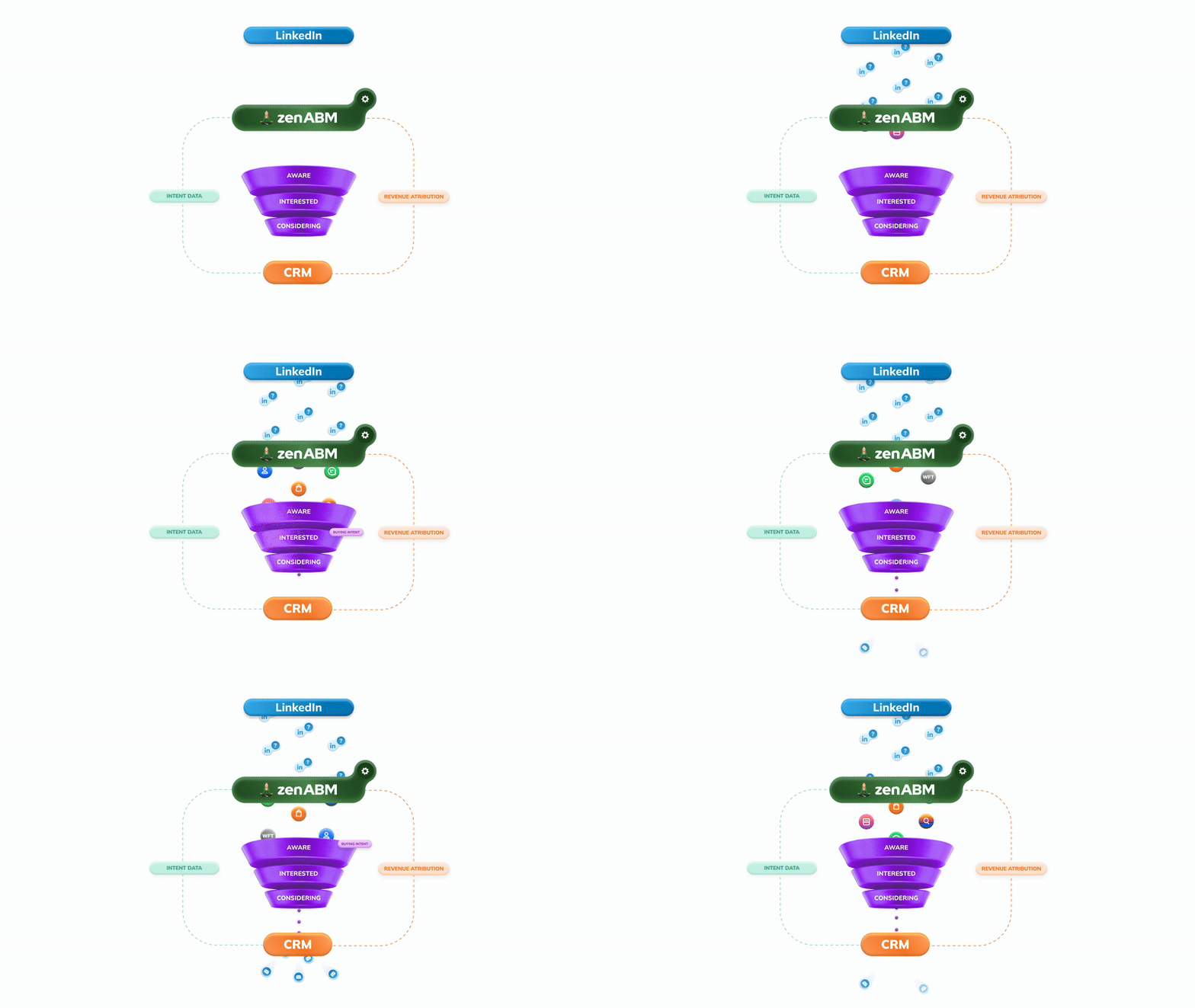
In case you want a quick Dreamdata vs. Linklo comparison:
| Category | Dreamdata | Linklo |
|---|---|---|
| Platform Type | B2B attribution and revenue analytics platform | LinkedIn Ads optimization and control tool |
| Primary Focus | Explaining revenue influence across channels | Fixing LinkedIn Campaign Manager limitations |
| Main Strength | Multi-touch attribution and funnel visibility | Scheduling, pacing, and account-level ad delivery |
| Ad Channels | Multi-channel | LinkedIn only |
| Intent Signals | Engagement and journey-based | Timing-based only |
| Account-Level Analytics | Strong | Limited |
| CRM Integration | Salesforce, HubSpot | No native CRM sync |
| Operational Complexity | Medium | Low |
| Best For | RevOps and attribution-focused teams | LinkedIn-heavy teams wanting more control |
| Pricing | Mid to high five figures annually | Starts at $199 per month |
A third option: ZenABM gives account-level LinkedIn ad engagement, pipeline dashboards, account scoring, ABM stages, CRM sync, first-party qualitative intent, automated BDR assignment, custom webhooks, an AI chatbot Zena that gives deep LinkedIn ABM analytics in natural language, and job title analytics starting at $59 per month.
Dreamdata bills itself as a B2B “Activation and Attribution Platform” that maps buyer touchpoints and ties them to revenue.
Dreamdata aims to be a central place to connect marketing spend to revenue.

Dreamdata provides several attribution models, such as first touch, last touch, W-shaped, time decay, and data-driven options. It aggregates CRM, website, and ad data into a single timeline so you can see how content and campaigns contributed to a deal, not just the last click.


Dreamdata rolls data into revenue analytics dashboards, showing pipeline and ROI by channel, campaign, and content. You can track metrics like Time to Revenue and pipeline velocity by stage. Some users on G2 note that not all pre-built reports are useful, and the learning curve is real.

By the way, ZenABM also provides account-based LinkedIn ad revenue attribution dashboards starting at $59/month.


Dreamdata automatically organizes contact-level touchpoints into account journeys so you see how buying committees move from first touch to close. Its ABM view helps marketing show influence on deals and track account-level engagement.

The “Reveal” module identifies which companies are engaging most, scores their activity, and flags high fit visitors.

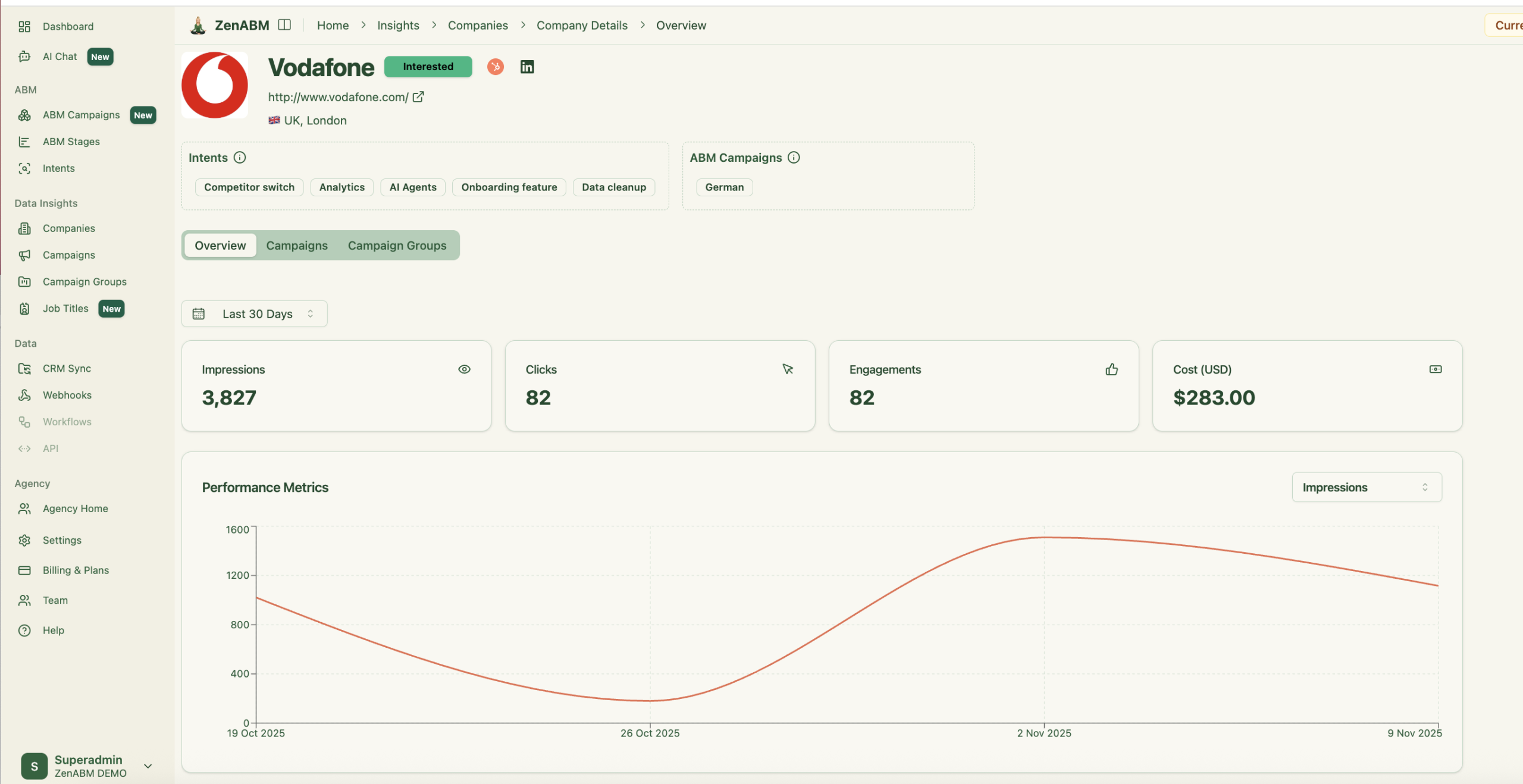
ZenABM also provides journey visualizations showing the impact of LinkedIn ads on a deal progression.
Dreamdata lets you build audiences using filters across all your data and sync them to ad platforms. For example, you can create a segment of accounts that visited your pricing page twice and retarget them on LinkedIn.

It also supports one-click conversion syncing, so events like SQLs or closed deals flow back into ad platforms for revenue-based optimization.

Dreamdata has 40+ integrations across CRMs, marketing automation, ads, analytics, and more.
Big ones:
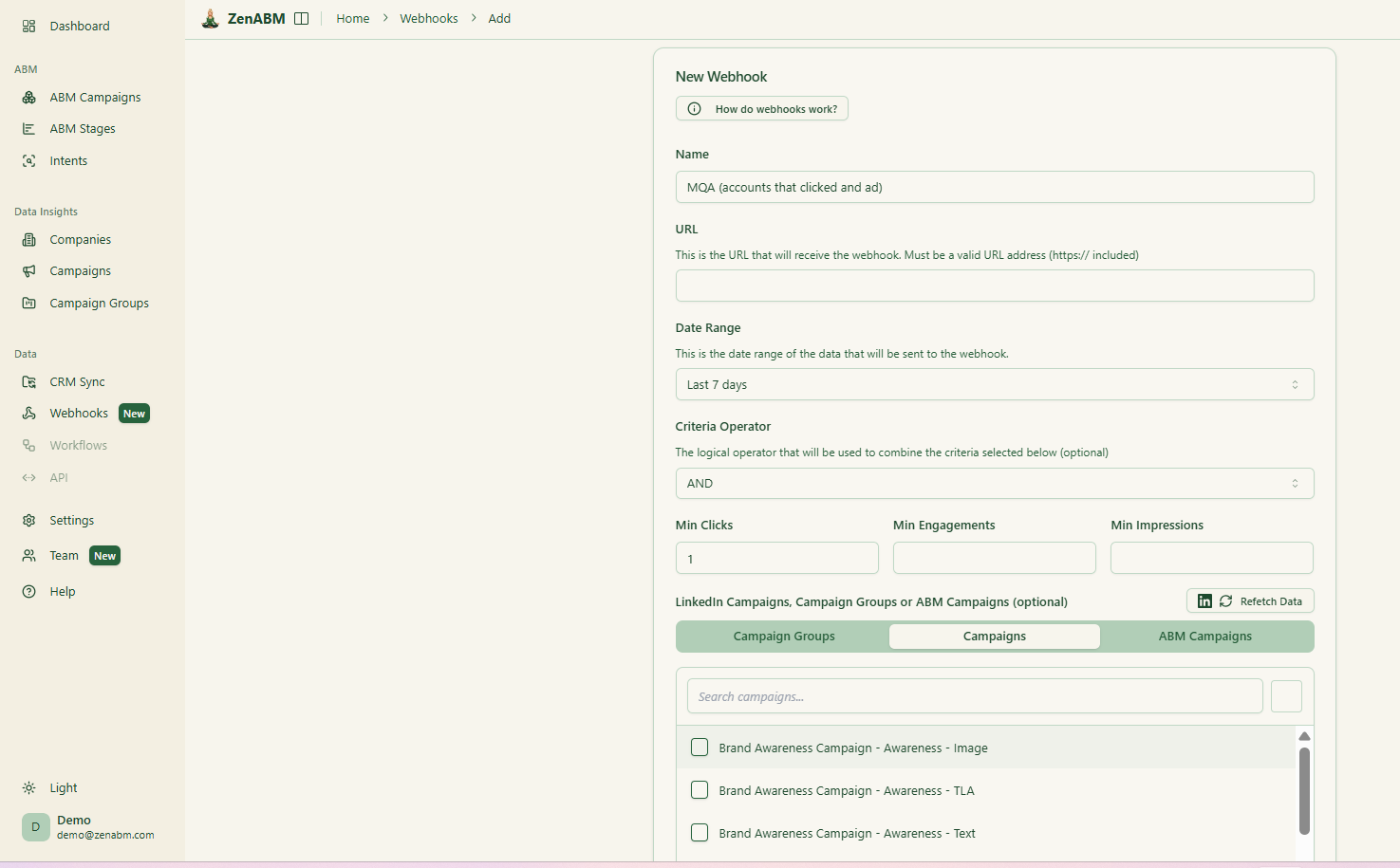
ZenABM also provides custom webhooks to build all integrations you want.
Dreamdata pricing isn’t clear on the site.
Here is what is publicly available:

If you are looking for a leaner tool, ZenABM starts at $59/month. It offers account-level LinkedIn ad engagement tracking, plug-and-play dashboards, account scoring, ABM stage tracking, CRM sync, first-party qualitative intent, automated BDR assignment, custom webhooks, and job title-level engagement tracking.

Dreamdata reviews cluster around three themes:

Linklo bills itself as a LinkedIn Ads optimization platform built for account-based marketing-like precision.
It lets you schedule LinkedIn ads, balance ad reach across target accounts, integrate “intent” timing, and generally squeeze more efficiency from LinkedIn’s notoriously expensive ad channel.
Let’s take a deeper look at its key features and also discuss its pricing and reviews.
Linklo is laser-focused on LinkedIn Ads.
In fact, that’s the only advertising channel it manages.
The platform is essentially a power-user layer on top of LinkedIn Campaign Manager, addressing features LinkedIn itself lacks.
Its core offerings:
Perhaps Linklo’s flagship capability is automated scheduling of LinkedIn ads.
LinkedIn’s own ad platform infamously does not let you daypart or automatically pause campaigns on a schedule.
Linklo fills this gap by letting you set precise times for campaigns to run (e.g. only weekdays 8 am-8 pm).
The idea is to focus budget “where buyers actually engage” – e.g. during business hours, instead of frittering away spend at 2 am.
Linklo provides proprietary Company Flow™ feature to “balance reach/frequency and orchestrate ABM-style sequences” across your LinkedIn campaigns.
In plainer terms, this means Linklo tries to ensure your target accounts each see your ads in a balanced way.
Instead of LinkedIn’s algorithm dumping impressions into only a handful of accounts, Linklo’s Company Flow feature evens out the delivery so one company doesn’t gobble most of your impressions.
Company Flow also implies the ability to sequence ads, meaning you could show Ad A to an account first, then Ad B later as a follow-up.
However, let’s be clear: this is within LinkedIn only.
Linklo isn’t coordinating email touches or Sales Navigator InMails or any off-LinkedIn channels in those sequences.
It’s not a full orchestration platform like, say, Terminus (which coordinates ads, email, web personalization, etc.).
Linklo doesn’t provide any third-party intent data from sources like Bombora, etc.
It assumes you already know your target account list and focuses on delivering ads to them efficiently.
The closest thing to “intent” in Linklo’s toolkit is its use of engagement timing data.
By analyzing when your audience tends to engage on LinkedIn, Linklo can schedule ads during those intent-rich windows (e.g. if decision-makers engage more on Tuesday mornings, it will concentrate spend there).
This is useful, but it’s a far cry from the qualitative intent data that ABM platforms offer.
Pro Tip: Linklo provides no kind of intent data. Other ABM suites like 6sense, RollWorks, etc., provide intent data, but I don’t even prefer that. Third-party intent looks exciting until you realize it’s stitched together from mystery browsing data and hope. It tells you what a single contact might be googling, not what an entire buying committee actually cares about. ZenABM skips the guesswork by giving you first-party company-level intent straight from your own LinkedIn ads. You see which accounts engaged with which themes, which feature groups they reacted to, and how their interest changes over time.
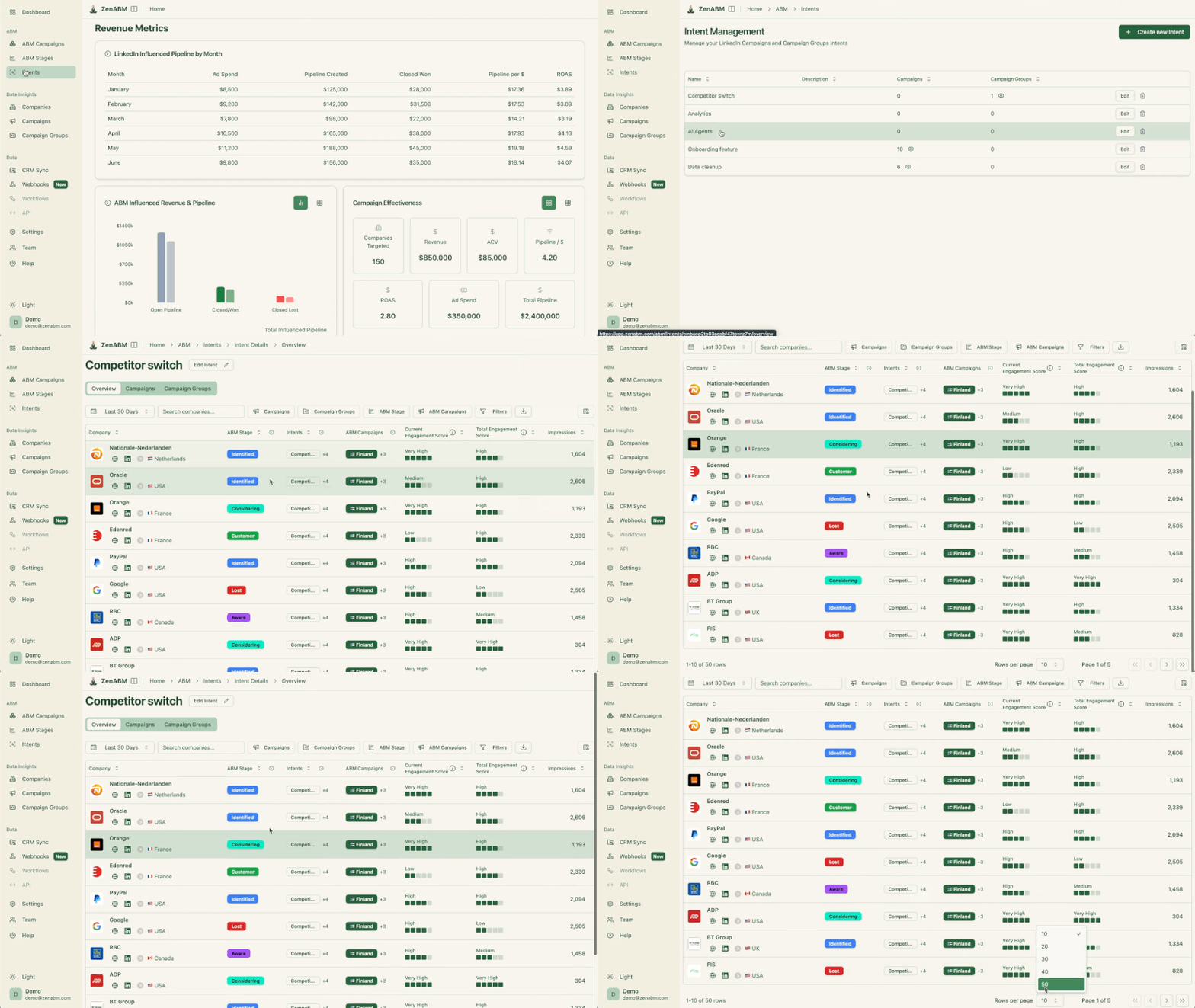
Userpilot, using ZenABM, built their whole ABM campaign structure around this first-party company-buyer’s intent obtained from LinkedIn ads instead of third-party tools:

Linklo, being a lean LinkedIn-focused tool, currently has no native CRM or marketing automation integration.
The platform seems to operate mostly within its own dashboard on top of LinkedIn.
You use Linklo to adjust campaigns, and of course, your leads still flow into LinkedIn’s native lead gen forms or your CRM via LinkedIn’s connectors, but Linklo isn’t pushing account-level insights into your CRM.
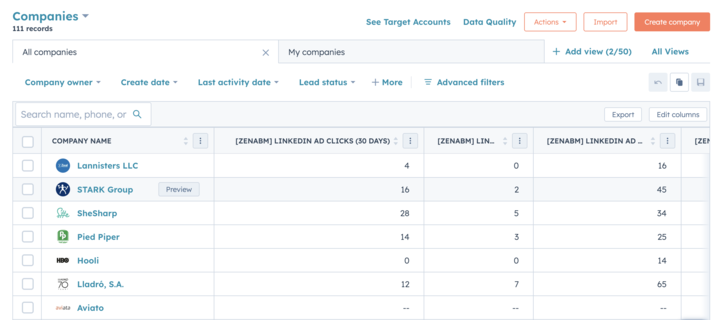
ZenABM, on the contrary, does provide bi-directional CRM sync:

Personalization in ABM usually means tailoring messaging or creatives to each account or segment.
Linklo itself doesn’t create personalized ad content for you.
You still have to design the ads.
However, by orchestrating sequences and controlling frequency per account (via Company Flow), Linklo enables a form of personalization: you could line up different ads for different stages or industries and use Linklo to ensure each account sees the right sequence.
Linklo publicly advertises that it “Starts at $199/mo.”
Nothing more.
Nothing less.
Not much is available on review sites either.
That suggests a flat monthly subscription (likely for a base package), which is refreshingly transparent compared to enterprise ABM platforms that require demos just to get a quote.
At $199 a month, Linklo is positioned as a relatively affordable tool – certainly modest next to the multi-thousand-dollar contracts of full-scale ABM suites.
What do you get for $199/mo?
The details aren’t fully spelt out on the website, but presumably the base plan includes core features (scheduling, budget management, A/B testing) for one LinkedIn Ads account or a limited number of users.
It’s possible that higher spending or multiple ad accounts could require higher tiers – e.g. agencies managing many accounts might pay more, but we haven’t seen a published tier breakdown.
The “starts at” phrasing implies there are higher levels, perhaps based on ad spend or team size.
One potential concern is feature bloat relative to cost.
Linklo packs in multiple capabilities (some might say it’s bloated for just managing LinkedIn): it combines functions of a bid rule engine, an ad scheduler, a budget pacing tool, and a lightweight analytics tool. If your team only needs one of those features (say, just dayparting), $199 might feel steep.
Conversely, if you’ll actively use all those features, then $199 is a great value.
Linklo’s pricing, being subscription-based, also means you can cancel if it’s not delivering value.
This is important because some ABM investments are hard to back out of (annual contracts, long implementation).
Again, if you are looking for a LinkedIn ABM tool with clearer pricing, I present ZenABM, starting at just $59/month.

ZenABM offers account-level LinkedIn ad engagement tracking, ad engagement-to-pipeline analytics with plug-and-play dashboards, account scoring, ABM stage tracking, CRM sync, first-party qualitative intent, automated assignment of BDRs to hot accounts, custom webhooks, and ad engagement tracking at the job-title level.

For a grounded view, what are actual users (or tire-kickers) saying about Linklo?
The truth is that public user sentiment is sparse.
Linklo launched in 2023 and hasn’t amassed many reviews on major platforms yet.
On G2, for example, Linklo is listed in the Social Media Advertising category but currently sits at 0 reviews.

TrustRadius and other review sites similarly have no substantial data on Linklo (a TrustRadius search turned up empty as of late 2025).
On social media and forums, the chatter I did find was a mix of curiosity and cautious optimism.
On Reddit, Linklo’s name has popped up in discussions among pay-per-click and LinkedIn Ads practitioners.
In one thread about scheduling LinkedIn ads (a question born out of frustration with LinkedIn’s limitations), a user mentioned Linklo as a known solution, though they admitted they hadn’t used it yet.
Dreamdata vs. Linklo differences are summarized here (along with ZenABM for perspective).
| Dimension | Dreamdata | Linklo | ZenABM |
|---|---|---|---|
| Core Role | Revenue attribution and analytics | LinkedIn ad operations and delivery control | LinkedIn-first ABM analytics and activation |
| Primary Data Sources | CRM, MAP, ads, website | LinkedIn Campaign Manager | LinkedIn Ads API plus CRM |
| Intent Philosophy | Explain influence after conversion | Optimize delivery timing | Capture buying interest from ad engagement |
| Third-Party Intent Dependency | Low | None | None |
| LinkedIn Depth | One of many channels | Exclusive focus | Primary ABM channel |
| Company Identification | CRM-based | Not provided | Native LinkedIn company identity |
| Account-Level Engagement | Journey aggregation | Delivery balancing only | Campaign, creative, and stage level |
| ABM Stage Tracking | Limited | No | Fully configurable |
| Engagement Scoring | Yes | No | Real-time scoring |
| Sales Activation | Reporting oriented | None | Automatic BDR routing |
| Revenue Attribution | Advanced multi-touch models | None | Pipeline, revenue, ROAS per campaign |
| AI Capabilities | Attribution insights | None | Natural language ABM analysis (Zena) |
| Implementation Effort | Medium | Low | Low |
| Time to Value | Weeks | Days | Days |
| Typical Annual Cost | $20K–$40K+ | $2.4K+ | $59–$6K |
| Best Fit | Attribution-first RevOps teams | LinkedIn ad operators | LinkedIn-first ABM teams |
After we have discussed Dreamdata vs. Linklo for ABM, let’s visit the third option: ZenABM.
ZenABM is built for teams that rely on LinkedIn as the primary ABM channel and want first-party accuracy, automation, and revenue visibility without the price or complexity of multi-channel suites.
Let’s look at its core features:
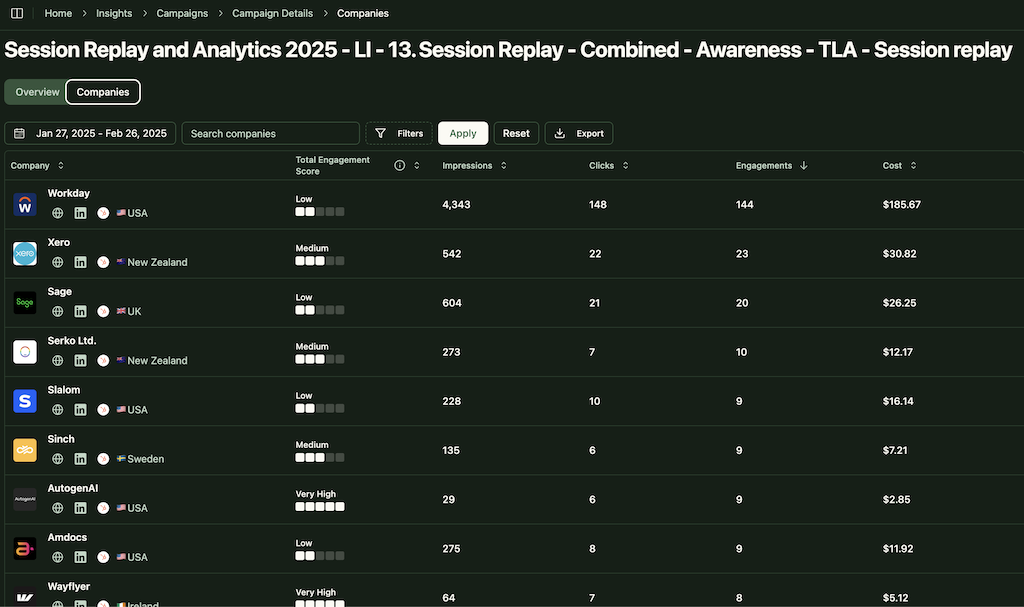
ZenABM connects to the official LinkedIn Ads API and captures account-level data for all campaigns so you can see which companies see, click, and engage with your ads.
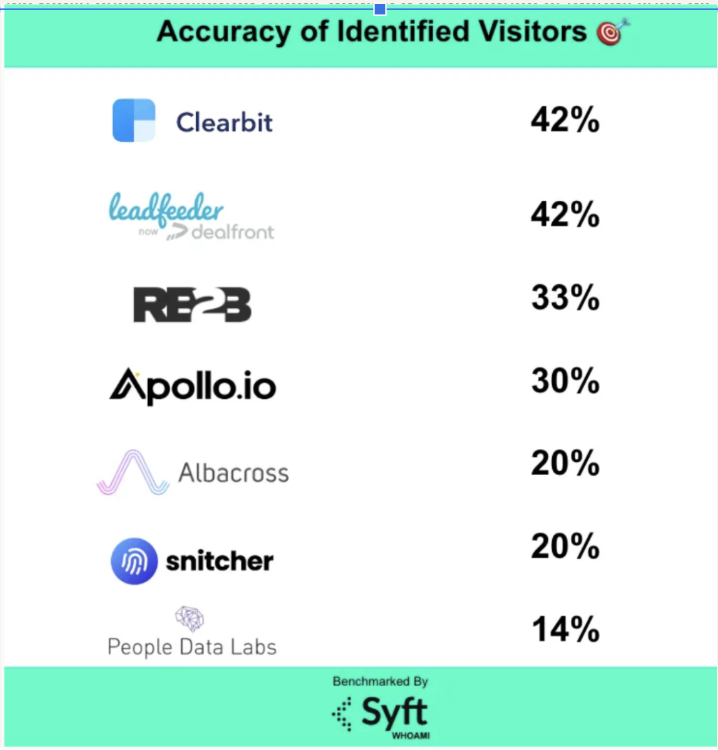
Because this is first-party data from LinkedIn’s environment, it is more reliable than IP or cookie-based visitor ID.
A Syft study puts IP-based identification at around 42 percent accuracy.
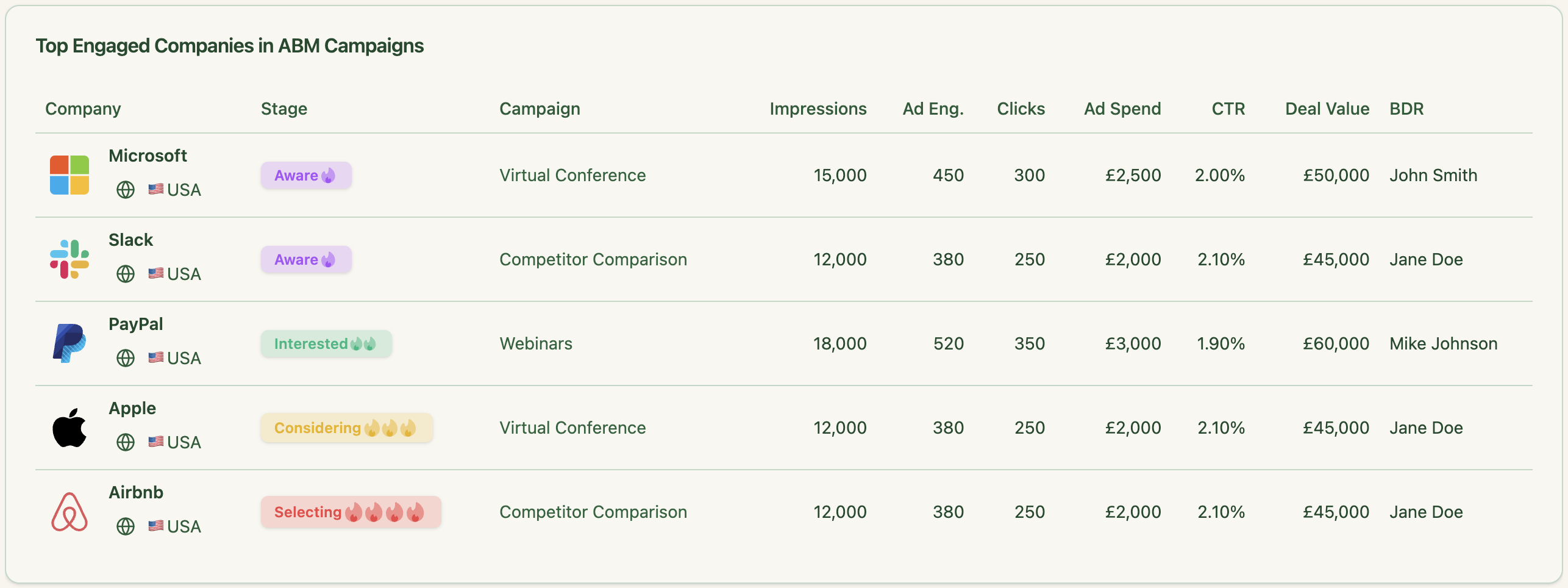
ZenABM treats LinkedIn ad engagement itself as first-party intent. When several people in one company keep engaging with your ads, that is a strong buying signal without rented intent feeds.
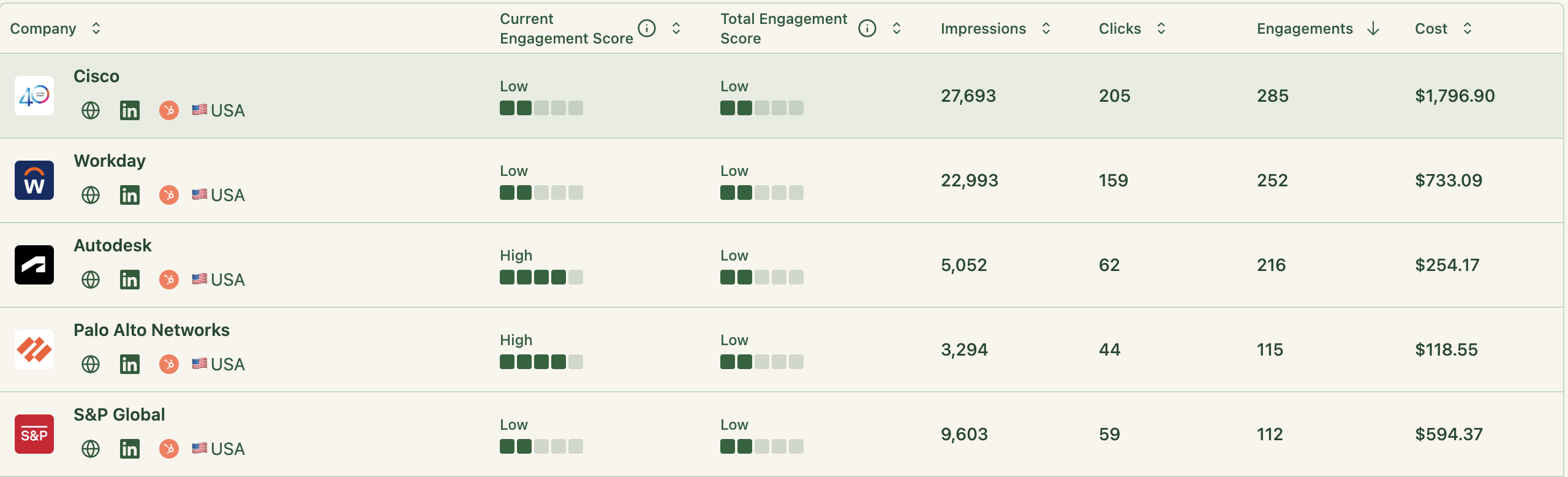
ZenABM updates engagement scores as accounts interact with your ads across campaigns, so you can see who is heating up over short or long windows and let marketing and sales prioritize accounts that show real intent.
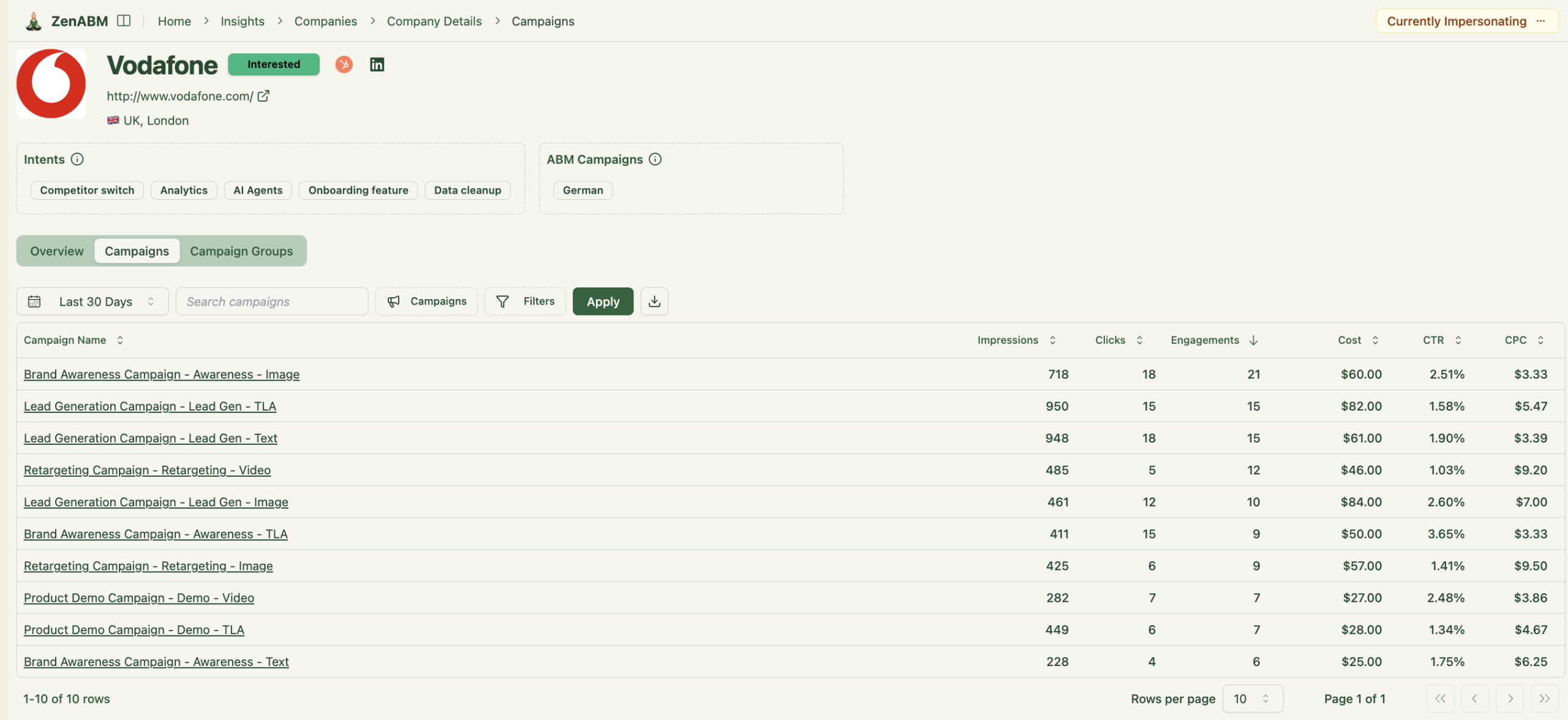
ZenABM also shows the full touchpoint timeline for each company:
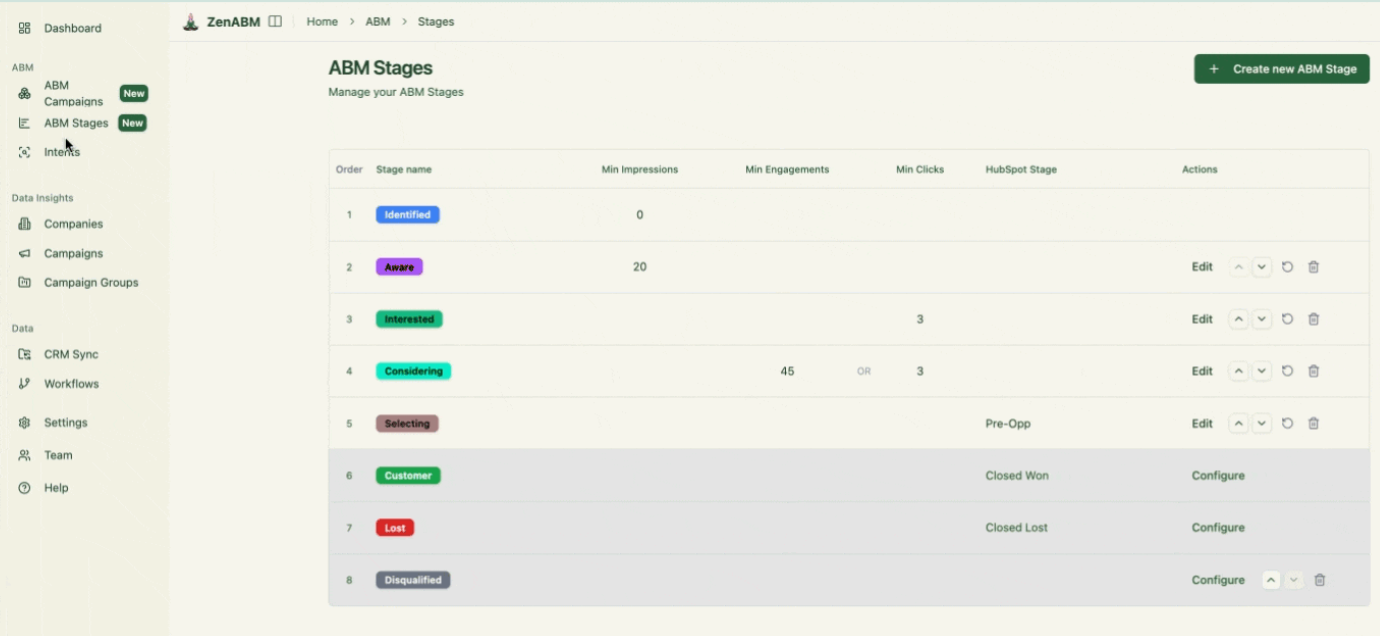
ZenABM lets you define stages such as Identified, Aware, Engaged, Interested, and Opportunity and automatically places accounts in the right stage using scores and CRM data.
You control thresholds, and ZenABM tracks movement over time.
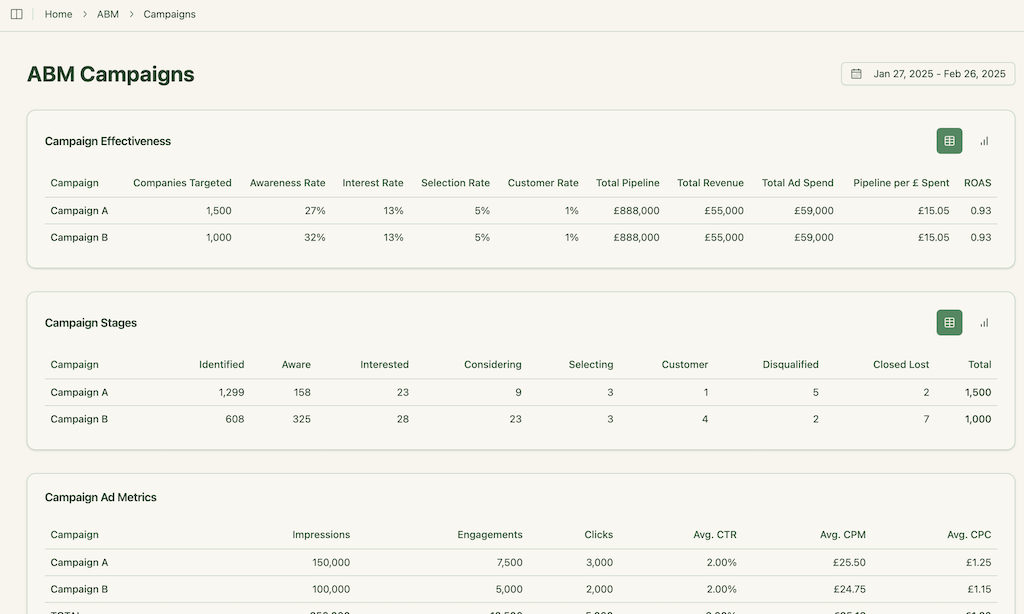
This gives you funnel visibility similar to larger suites, but powered by LinkedIn data.
ZenABM integrates bi-directionally with CRMs like HubSpot and adds Salesforce sync on higher tiers.
LinkedIn engagement data flows into the CRM as company-level properties:
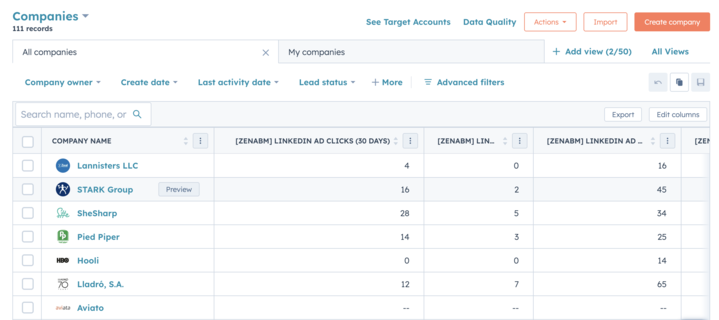
Once an account crosses your score threshold, ZenABM updates the stage to Interested and automatically assigns a BDR.
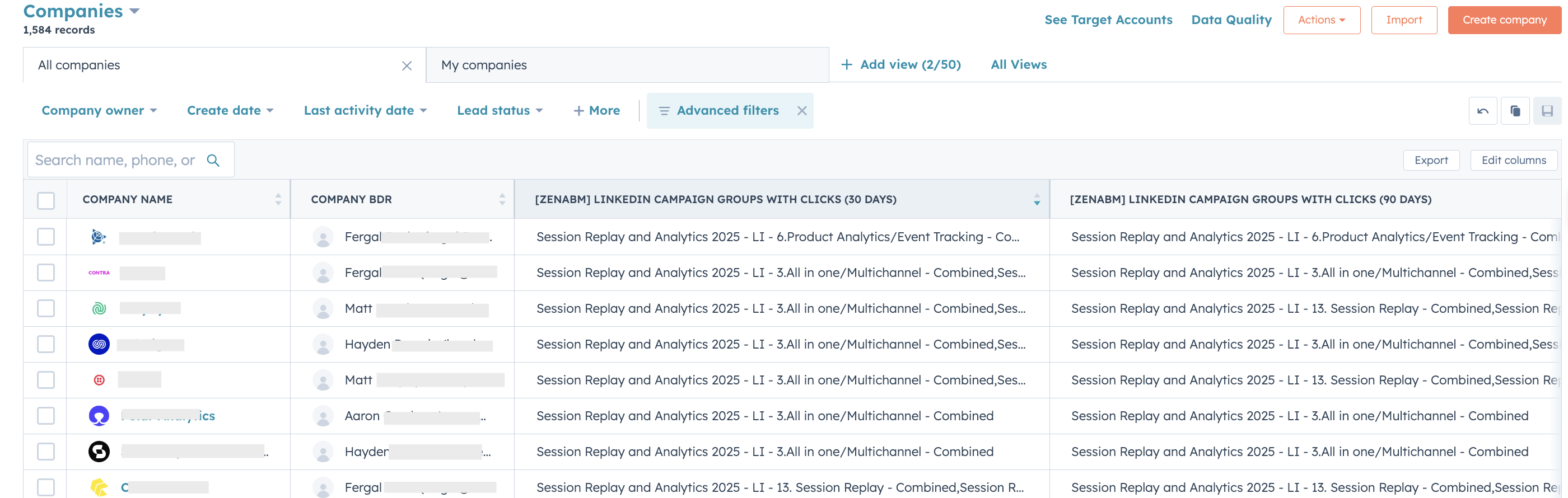
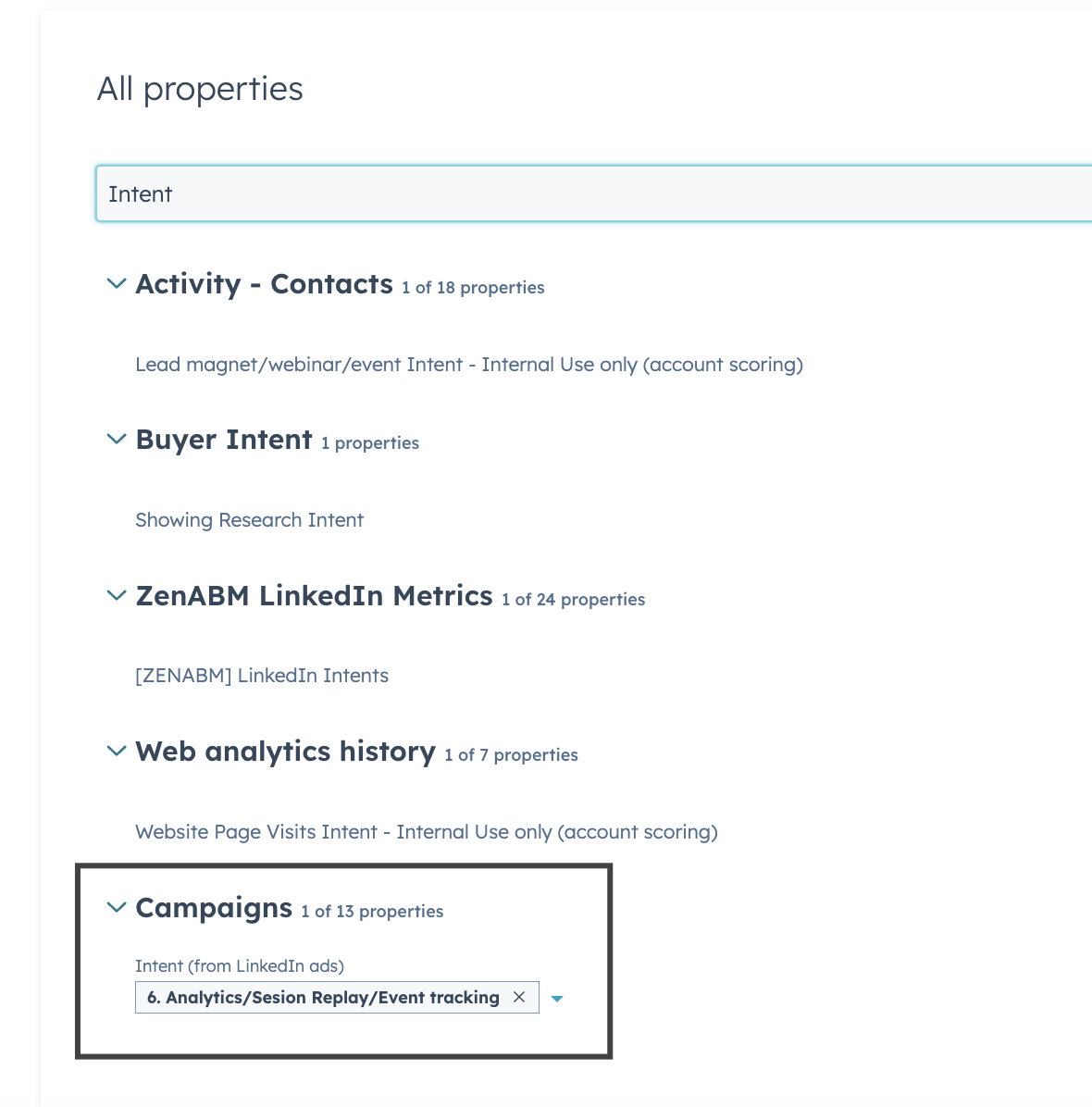
ZenABM lets you derive intent topics from LinkedIn campaigns by tagging campaigns by feature, use case, or offer.
ZenABM then shows which accounts engage with which themes.
This is clean, first-party intent from owned interactions.
You can push these topics into your CRM, so sales and marketing can tailor outreach to what each company has actually explored.
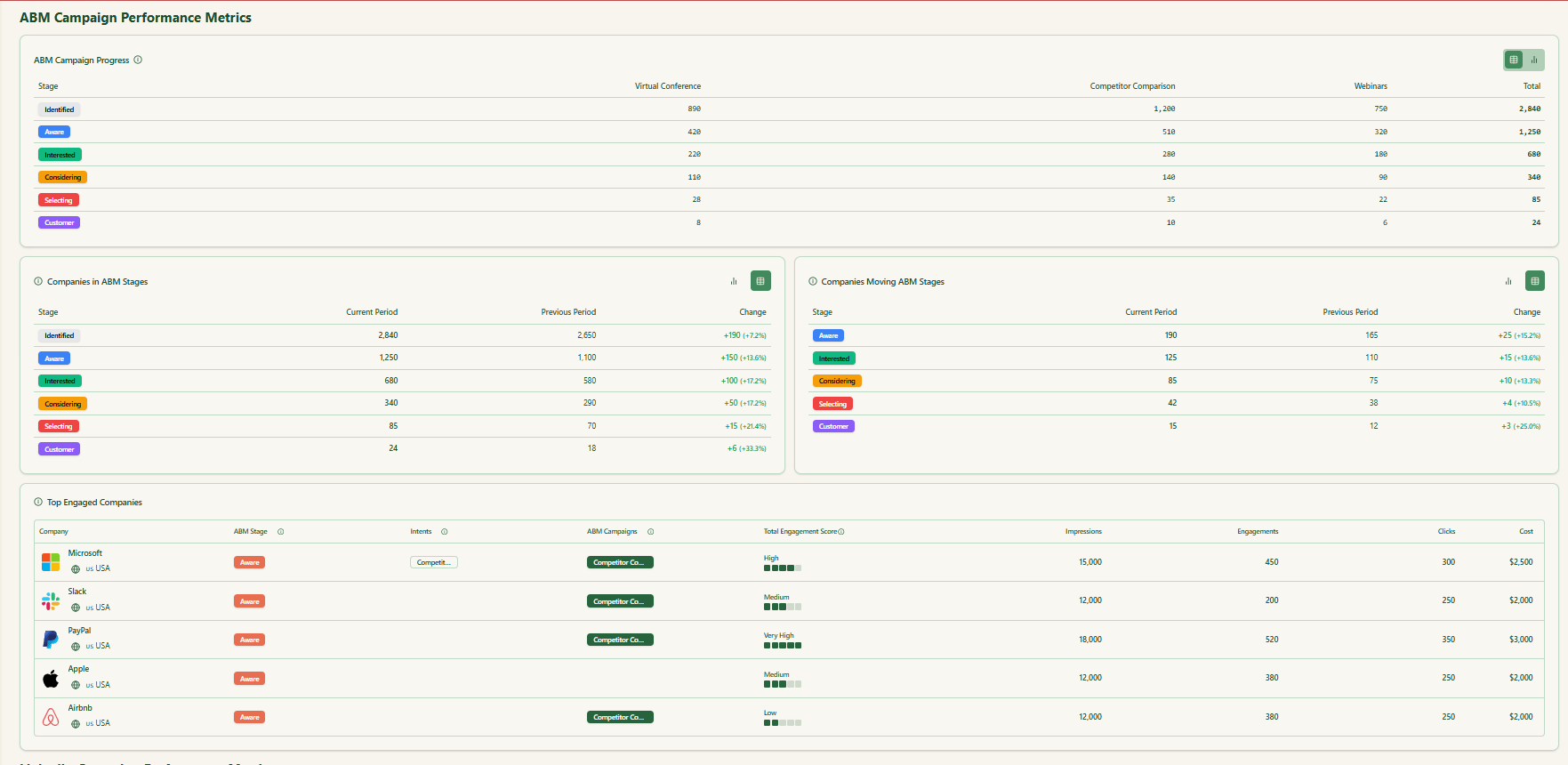
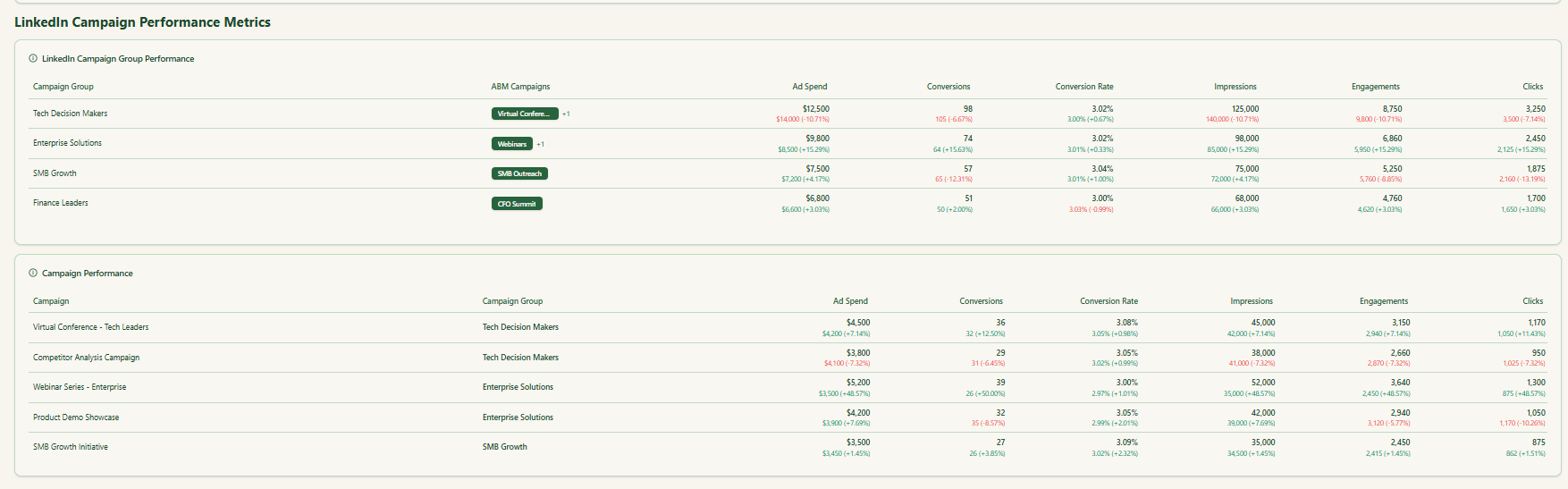
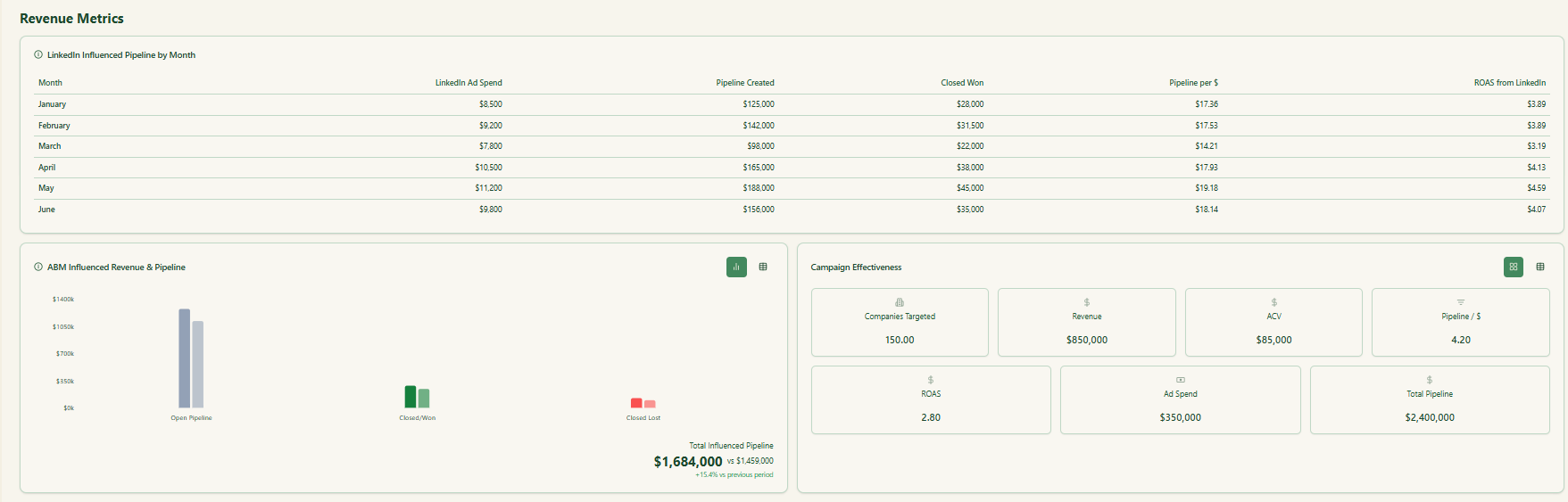
ZenABM ships with dashboards that connect LinkedIn ads to account engagement, stage movement, and revenue.
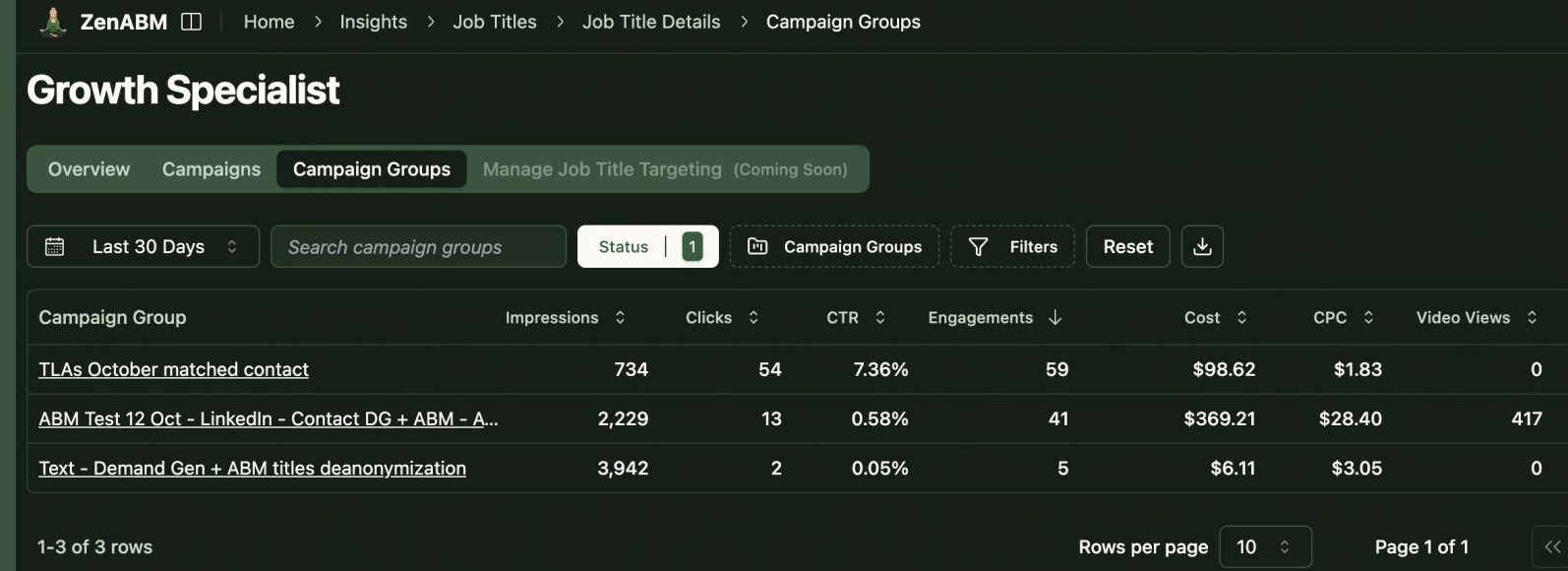
ZenABM shows which job titles engage with your creatives and gives dwell time and video funnel analytics.
ZenABM provides its AI chatbot called Zena that basically answers all you want from ZenABM in natural language.
You can ask Zena open-ended questions like you would a smart analyst and get company-level answers about:
Under the hood, Zena combines OpenAI with a library of carefully designed prompts and endpoints to join ad engagement, spend and CRM deals so it can explain which campaigns drove pipeline, which accounts turned into opportunities, which formats perform best and which companies are high intent but untouched by sales.
Instead of exporting spreadsheets and stitching pivot tables, you get plain language insights, ready to drop into strategy reviews, weekly sales standups or executive updates.
ZenABM’s custom webhooks let you push events into your stack, for example, Slack alerts, enrichment flows, or other ops automations.

Most tools treat each LinkedIn campaign separately. ZenABM lets you group several into one ABM campaign object so you can see performance across regions, personas, or creative clusters.
Instead of juggling fragmented reports in Campaign Manager, you see spend, pipeline, account movement, and ROAS for the entire initiative.
For agencies, ZenABM offers a multi-client workspace.
You can manage multiple ad accounts and clients in one environment, each with its own ABM strategy, dashboards, and reporting, instead of constantly switching accounts in Campaign Manager.
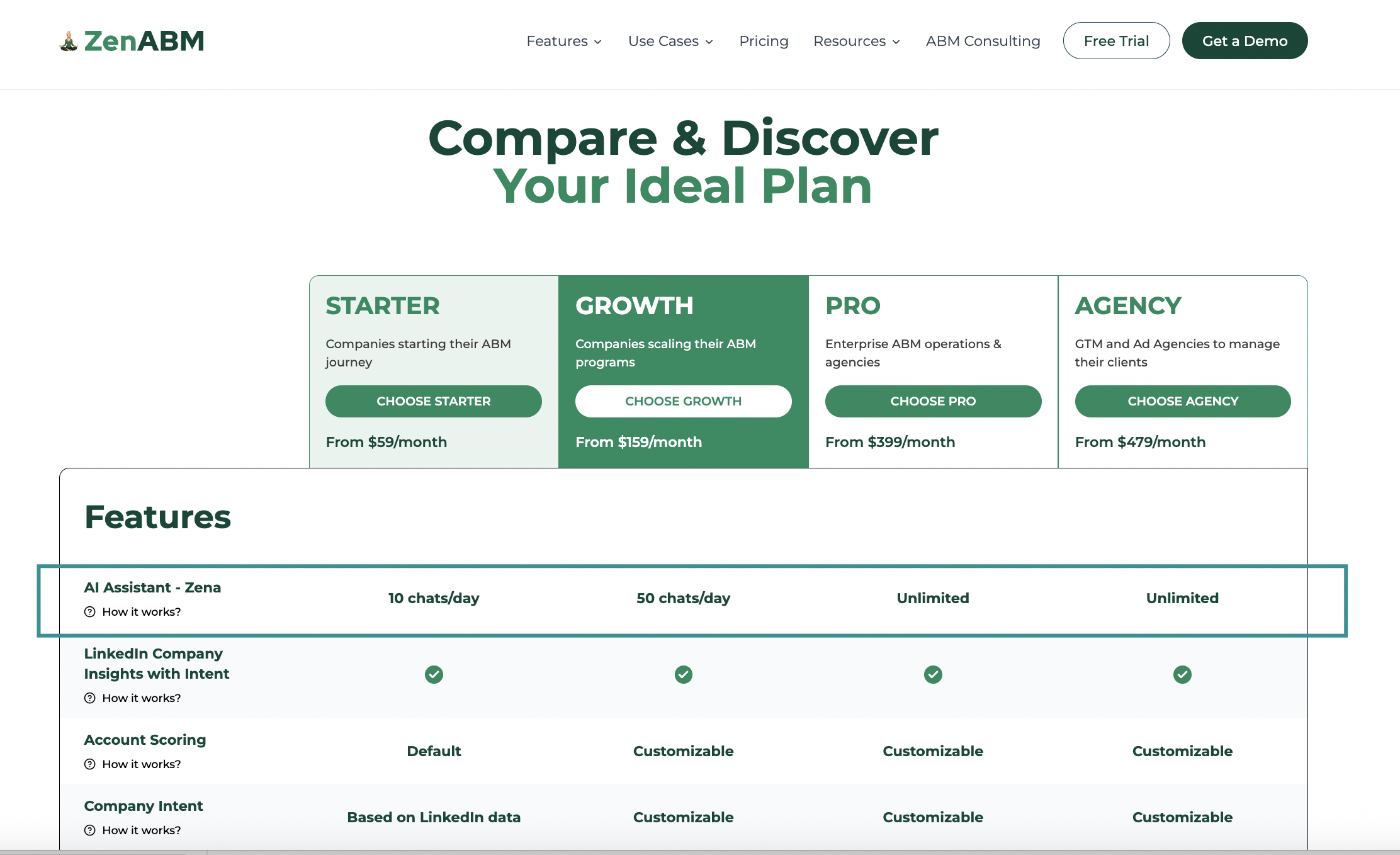
ZenABM pricing details:
Choose Dreamdata if your main problem is explaining revenue. If leadership keeps asking which campaigns, channels, and content actually influenced pipeline and deals, Dreamdata exists to answer that question with receipts.
Choose Linklo if LinkedIn is already your primary channel and your pain is operational. Scheduling, pacing, and preventing LinkedIn from torching budget at 2 am are Linklo’s entire reason for existence.
Choose ZenABM if you want to understand and act on buying intent inside LinkedIn itself. ZenABM turns ad engagement into first-party company-level signals, pushes those insights into your CRM, tracks ABM stages, attributes pipeline and revenue, and routes hot accounts to sales automatically.
Instead of explaining revenue after the fact like Dreamdata, or just controlling delivery like Linklo, ZenABM connects engagement, intent, sales action, and revenue in one LinkedIn-first workflow at a predictable cost.
